Quick answer
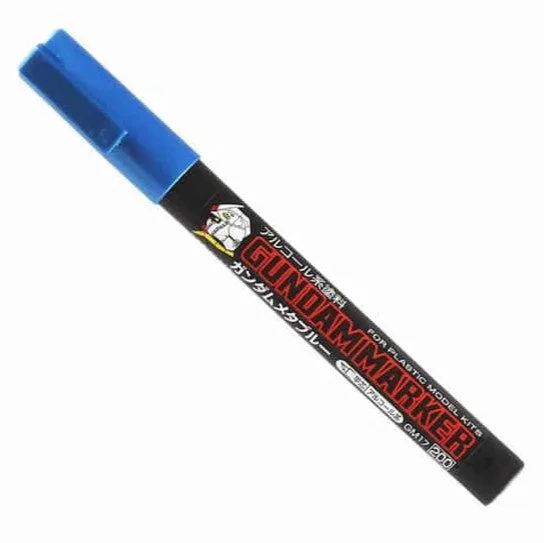
Most Gundam marker issues come from dried ink on the tip or air in the ink reservoir. Shake the marker well, press the tip on a scrap surface until ink flows, and store it horizontally. If that fails, clean the tip with isopropyl alcohol or replace the marker.
Why Gundam markers stop working
Gundam markers use a felt tip and an alcohol-based ink that evaporates quickly. If you leave the cap off for even a few minutes, the tip can dry out. Another common cause is storing the marker upright, which lets air enter the reservoir and prevents ink from reaching the tip.
Sometimes the issue is simply a clogged tip from dried paint or dust. This happens when you press too hard or use the marker on rough plastic. The felt can also become frayed over time, reducing ink flow.
How to fix a dry Gundam marker
Start by shaking the marker vigorously for 10–15 seconds with the cap on. Then remove the cap and press the tip firmly on a piece of scrap plastic or paper. Repeat until you see ink flow. This re-primes the reservoir and pushes fresh ink to the tip.
If shaking doesn't work, dip the tip in isopropyl alcohol for a few seconds. The alcohol dissolves dried ink and clears the felt. Wipe the tip on a tissue and try again. For stubborn clogs, you can use a fine pin to gently loosen the felt fibers, but be careful not to damage them.
When to replace your Gundam marker
If you've tried shaking, cleaning, and re-priming but the marker still won't write, the ink reservoir is likely empty or the felt tip is too worn. At that point, it's more reliable to buy a new marker than to attempt a refill. Gundam markers are affordable and widely available, so replacing one saves time and frustration.
To extend the life of your next marker, always cap it immediately after use and store it horizontally. Avoid using the marker on rough or textured surfaces, which wear down the tip faster. With proper care, a Gundam marker can last through several kits.
Gundam marker diagnosis guide
- Symptom: No ink comes out: The tip feels dry and the marker produces no color on plastic. Shake well and prime on scrap. If still dry, clean tip with alcohol.
- Symptom: Ink is faint or skips: The marker writes inconsistently, with pale lines or gaps. Shake and store horizontally. Replace if tip is frayed.
- Symptom: Ink bleeds or pools: Too much ink flows at once, creating messy lines. Wipe excess on a tissue and use lighter pressure. This is normal with new markers.
Tools that help with panel lining
- Mr. Basic Nipper MT101: Mr. Basic Nipper is a hobby nipper that can be used all-round as a basic tool for crafts. It is useful for cutting plastic models, plastic rods, and thin metal wires. A clean cut from a sharp nipper reduces stress on the plastic, which helps panel lining flow more smoothly and prevents ink from bleeding into cracks.