Quick answer
Sculpting gel lifting is almost always caused by inadequate nail prep, applying the gel too thick, or under-curing. Start by checking your prep routine and layer thickness before blaming the product. If lifting persists after correcting these, the gel may not suit your nail chemistry or application technique.
Why sculpting gel lifts and how to spot the cause
Sculpting gel lifts when the bond between the gel and your natural nail breaks. The most common culprits are oily nail plates, insufficient buffing, or gel applied too close to the cuticle. If the lifting starts at the cuticle area within a few days, suspect prep or product flooding the skin. If lifting appears at the free edge or sides, the gel layer may be too thick or the apex too high, creating leverage that pops the gel off.
Another frequent cause is under-curing. Thick sculpting gel requires adequate lamp wattage and time. If you cure in short bursts or use a lamp not matched to the gel's chemistry, the bottom layer stays tacky and never fully hardens. This soft layer can't hold the nail plate, leading to lifting within a week.
Step-by-step fixes for lifting sculpting gel
Start with a dry, oil-free nail plate. Push back cuticles, gently buff the surface with a 180-grit file, and wipe with isopropyl alcohol or a dedicated dehydrator. Avoid touching the nail after prep. Apply a thin, even layer of sculpting gel, cap the free edge, and cure fully. If you need more structure, build in thin layers rather than one thick blob.
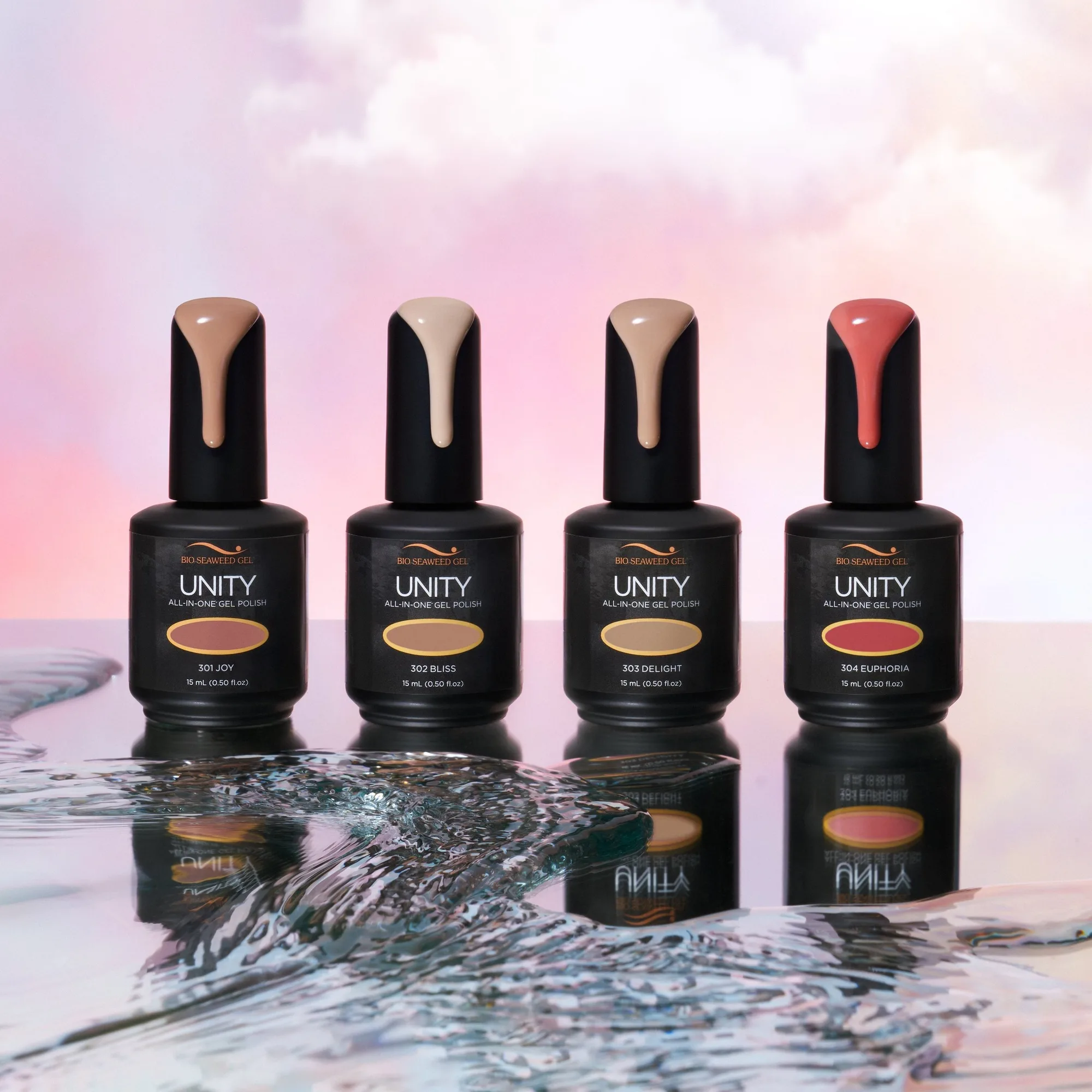
If lifting still happens, switch to a traditional three-step system like 3STEP Colour Gel Polish, which uses a separate base and top coat for a more forgiving application. For sheer, natural-looking enhancements, consider a collection of buildable sheer nudes such as the Sheer Bliss Collection #301-304, which allows you to control opacity without the risk of thick layers.
Diagnosis: Sculpting gel lifting
- Symptom: Lifting at the cuticle within 3-5 days, or lifting at the free edge after a week. Cuticle lifting usually points to prep or flooding; edge lifting often means thick application or under-curing.
- Likely cause: Oily nail plate, insufficient buffing, gel touching skin, or too-thick layers that trap uncured gel underneath. Check your prep steps and layer thickness before trying a different product.
- Corrective action: Remove the lifting gel, re-prep the nail (dehydrate, buff lightly), and reapply in thin, fully cured layers. Cap the free edge each time. If the fix holds for two weeks, the problem was technique. If it lifts again, your nail chemistry may not suit sculpting gel.
- When to stop and choose another option: If lifting recurs after three careful attempts with correct prep and thin layers, switch to a three-step gel polish system or a soak-off builder gel. Not every gel works for every nail. A traditional base-coat system may give you the hold you need.
Products that help you avoid lifting
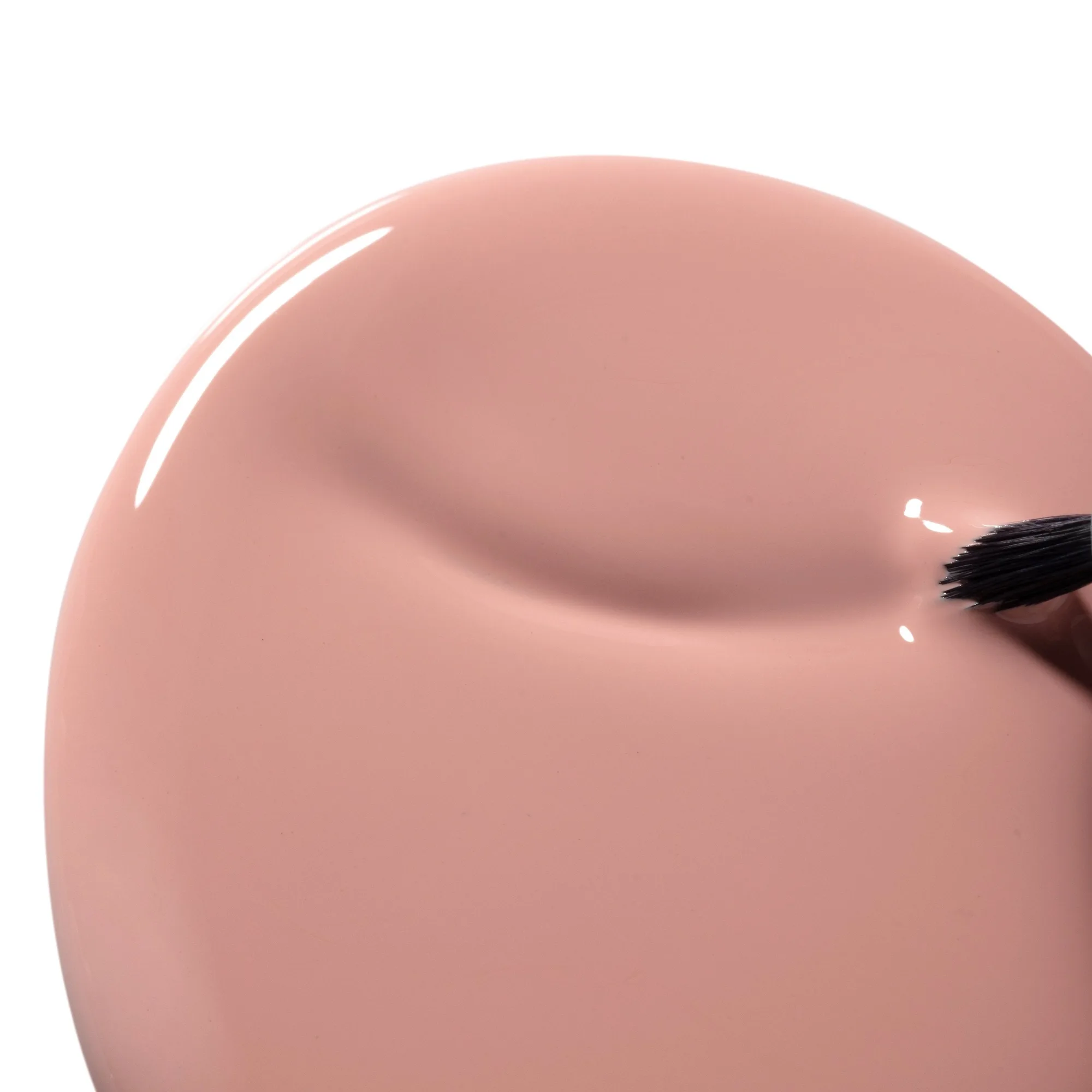
- Sheer Bliss Collection #301-304: The Sheer Bliss Collection of four buildable sheer nudes ranges from barely-there to softly tinted, perfect for a delicate, sophisticated look. Buildable sheer formulas let you control opacity in thin layers, reducing the risk of thick application that can cause lifting.
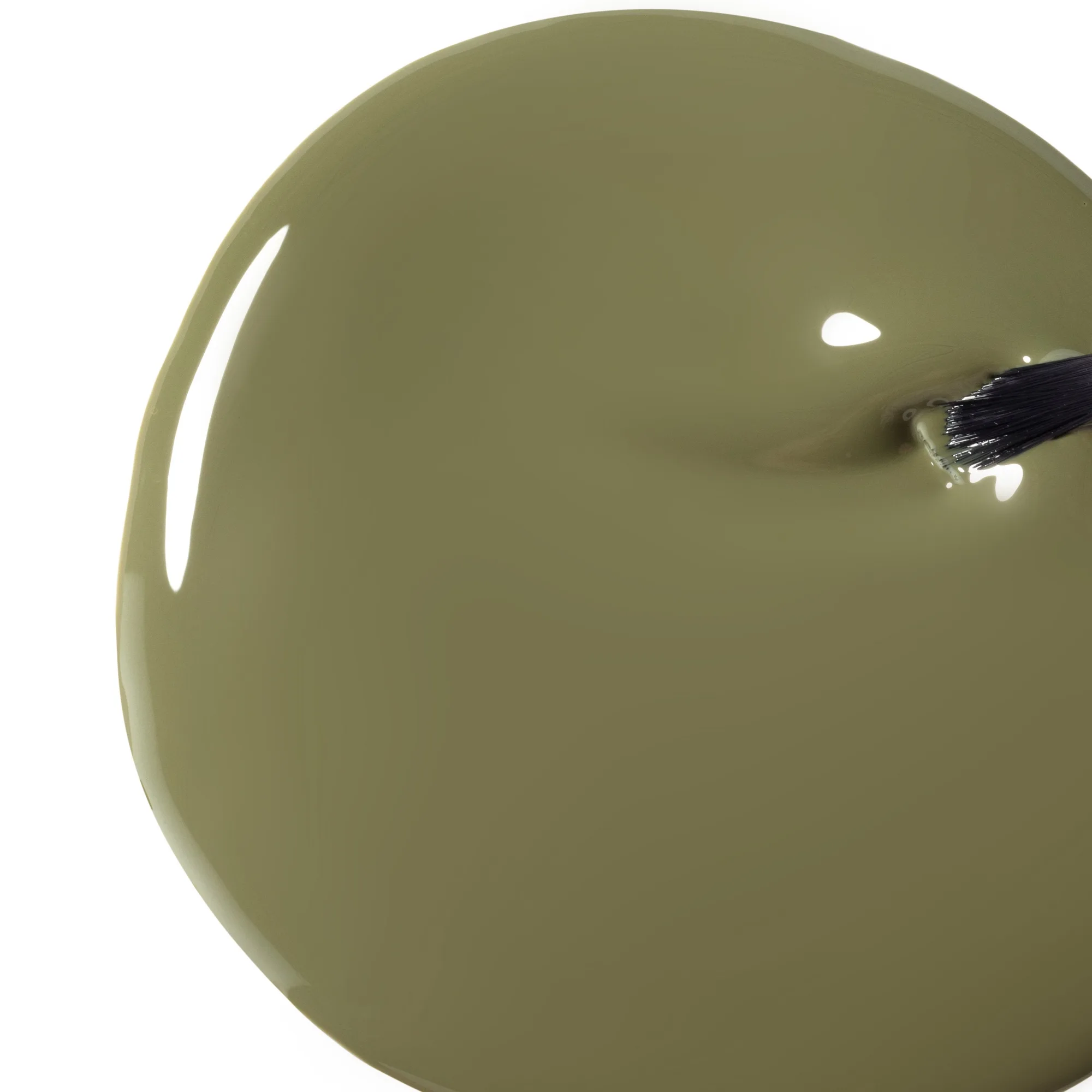
- 1045 Living Lush: 3STEP Colour Gel Polish is a traditional three-step formula requiring use of a base and top gel polish for up to 2+ weeks of high shine and chip-resistant wear. A separate base coat creates a stronger bond to the nail plate, making it a good alternative if sculpting gel keeps lifting due to adhesion issues.