Quick answer
Most hair loss in small pets is normal shedding, but bald patches, crusty skin, or scratching usually point to mites, ringworm, or barbering. Comb daily during heavy sheds with a de-shedding tool like the HairBuster Comb, and see an exotic vet within a few days if the skin looks red, flaky, or broken.
Symptom: how much shedding is actually normal
Rabbits and guinea pigs shed in cycles, often heavily in spring and fall. A rabbit can drop a startling amount of loose fur without any bald spots, and guinea pigs often leave hair on hands and clothes during handling. Hamsters shed less visibly because their coats are short and dense. The key distinction is whether new hair is coming in behind the shed. Normal shedding leaves an even coat with no bare skin. A true problem shows visible skin, thinning along the flanks, or a patch that grows instead of filling in.
- Normal: loose fur on hands, bedding, or furniture, with an even coat underneath.
- Watch: thinning around the flanks or hindquarters, especially in older guinea pigs.
- Act: bare skin, crusts, dandruff, or your pet scratching or chewing at one spot.
Likely cause: shedding, mites, ringworm, or barbering
Four causes cover most cases. First, seasonal or stress shedding, which resolves on its own. Second, parasites such as fur mites or mange, which usually cause dandruff, crusting, and intense scratching, often starting on the back and rump. Third, ringworm, a fungal infection that produces round bald patches with scaly edges, and it can spread to people. Fourth, barbering, where a companion or the pet itself chews hair, leaving short stubble rather than smooth skin. Guinea pigs also lose hair on the belly and flanks from ovarian cysts, and rabbits can develop bald patches from urine scalding or untreated dental pain that stops grooming.
Because these look similar at home, the deciding factors are skin condition and pattern. Clean skin with a patchy coat suggests barbering or hormonal causes. Inflamed skin suggests infection or parasites. Your vet can confirm with a skin scraping or a UV lamp for ringworm.
Corrective action: combing, habitat, and vet care
During heavy sheds, comb your rabbit or guinea pig daily for 5 to 10 minutes. Short, gentle strokes in the direction of the coat lift loose fur before your pet grooms it off and swallows it, which reduces the risk of hairballs, especially in rabbits. For long-haired guinea pigs and angoras, work in sections and check behind the ears and around the rump, where mats form first. Stop if the skin reddens or your pet flinches. Do not bathe a rabbit or guinea pig for shedding alone; a damp coat chills them and does not fix the underlying cause. If your vet confirms mites or ringworm, follow the prescribed treatment and clean the habitat thoroughly, since bedding and hideouts can hold eggs or spores.
- Comb daily during peak sheds, then taper to twice a week.
- Wash hands after handling a pet with suspected ringworm.
- Replace soiled bedding and scrub the cage base during treatment.
When to stop and choose another option
Stop home combing and book a vet visit if you see broken skin, bleeding, or a patch that spreads after a week of daily grooming. If your pet is off food, drooling, or losing weight alongside the hair loss, treat it as urgent, because dental disease and GI stasis move fast in rabbits. If the coat is matted so tightly that combing pulls skin, do not cut it yourself with scissors; small pets have paper-thin skin, and a groomer or vet should clip it. Finally, if a companion is over-grooming one area, separate them temporarily and have both checked, since barbering often signals stress, crowding, or an underlying illness in the chewed pet.
Diagnosis checklist: match the symptom to the next step
- Loose fur, even coat: Normal shedding cycle, often seasonal. Comb daily with a de-shedding tool and keep the habitat clean. No vet visit needed if skin looks healthy.
- Bald patch with flaky or crusty skin: Suspect mites or ringworm. Isolate from other pets, wash hands after contact, and see an exotic vet for a skin scraping. Book within a few days; ringworm can spread to people.
- Short stubble, no bare skin: Likely barbering by a companion or the pet itself. Check for crowding, boredom, or pain in the chewed pet. Add chew outlets and have the chewed pet examined.
- Thinning flanks in an unspayed guinea pig: Hormonal causes such as ovarian cysts are common. Track weight and appetite, then ask your vet about imaging. Do not treat with combing alone.
Tool that helps with shedding
- HairBuster Comb: The HairBuster Comb has smooth rounded tips and a special fur-catching band designed for heavy shedders. The rounded tips reduce the risk of scratching thin skin, and the band collects loose fur instead of scattering it, which matters during daily shed-season grooming.
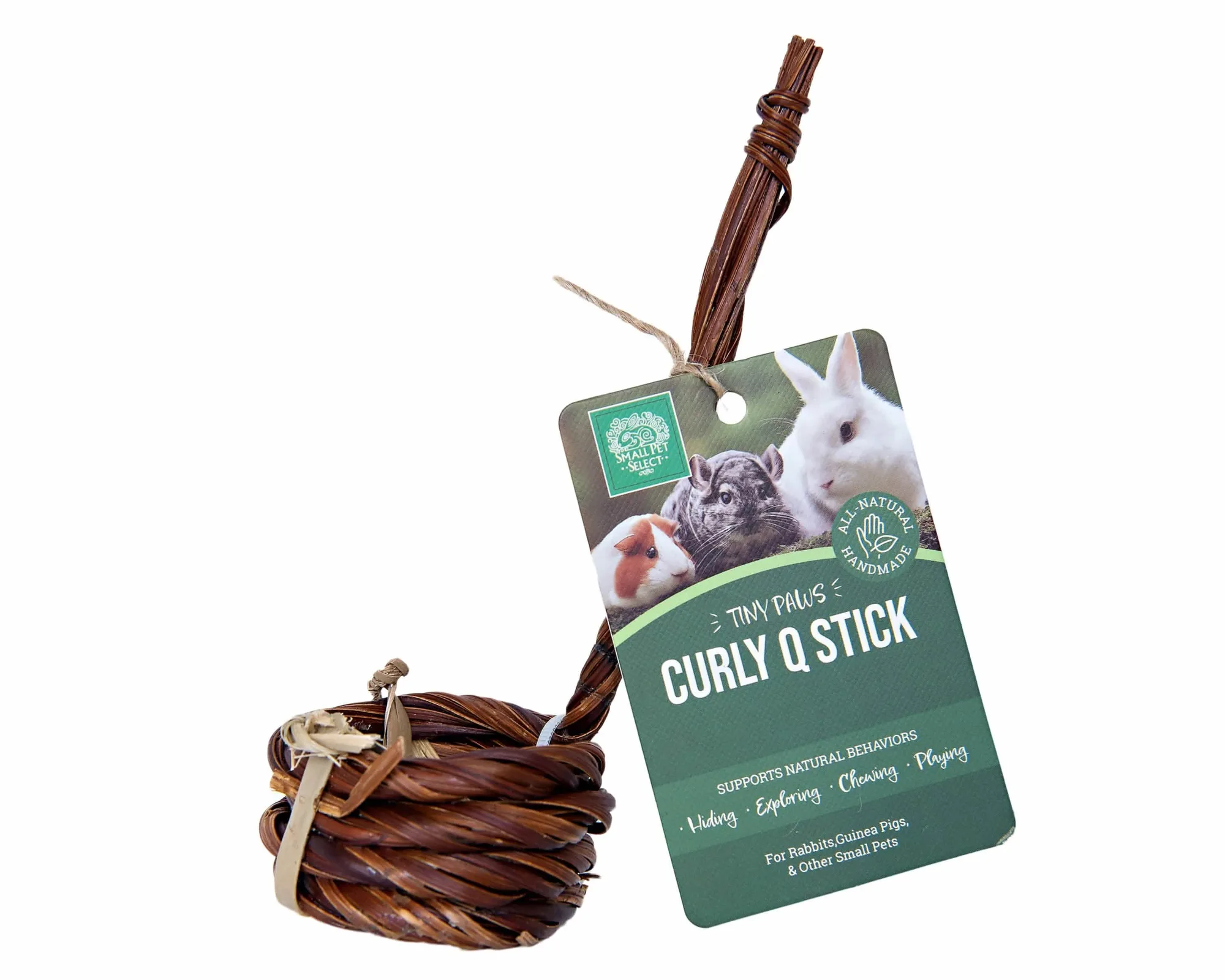
- Rye Twists: Rye Twists are handcrafted from all-natural rye and are suitable for rabbits, guinea pigs, and chinchillas. Chewing wears down teeth and gives a bored pet an outlet, which can reduce stress-related barbering and over-grooming.