Quick answer
A cloudy storm glass is usually a temperature problem, not a defect. The crystals have either dissolved back into the liquid after warmth, or the glass has been sitting in a spot where the sealed solution cannot cycle. Move it to a stable room, give it 24 to 48 hours, and only then judge whether the storm glass is working.
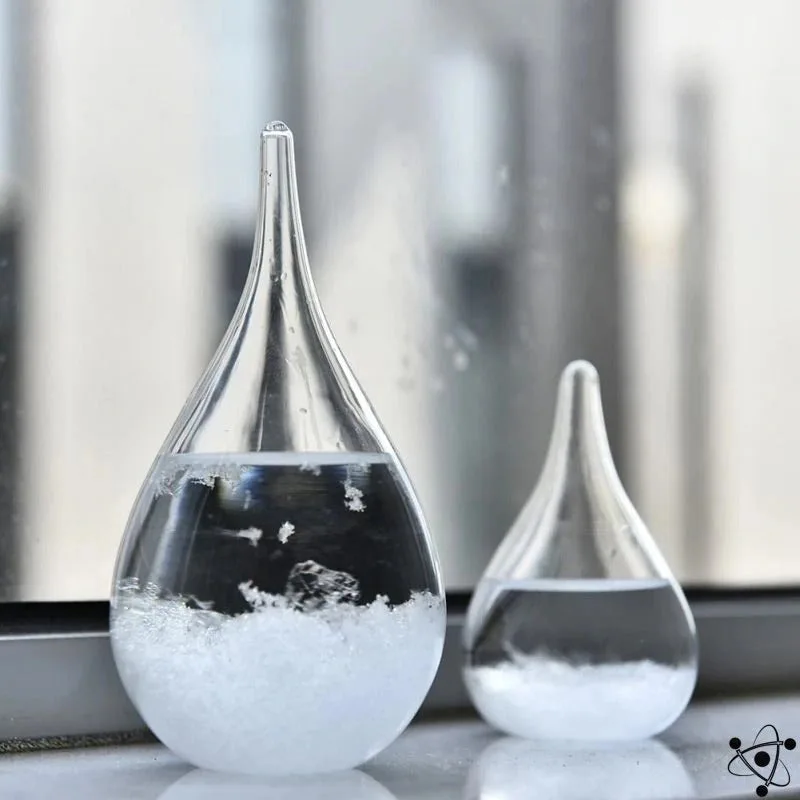
storm glass
What cloudy liquid actually tells you
Storm glass liquid is a sealed mixture, so you cannot filter it or top it up. Cloudiness means the solid crystals that normally form and fall have gone back into solution, which happens when the glass is too warm or has been warmed too quickly. A glass that was clear and feathery yesterday can look like plain cloudy water today after a sunny windowsill or a radiator.
This is why storm glass troubleshooting starts with placement, not with the object itself. If the liquid is uniformly hazy with no distinct crystal shapes, the mixture is in its dissolved state. If you can see separate flakes or needles suspended in clear liquid, the crystals are still present and the glass is simply mid-cycle.
Why storm glass crystals dissolve
The crystals are sensitive to temperature, and that sensitivity is the whole point of the instrument. When the surrounding air warms, the liquid holds more of the solid material and the crystals disappear. When it cools, the crystals reappear, often as threads, stars, or a light snow across the bottom.
A storm glass that stays cloudy for days is usually sitting somewhere too warm or too still. Direct sun, a heat vent, a kitchen, or a closed shelf with no air movement will keep the mixture in the dissolved state. Cold alone does not guarantee crystals either: a glass that was recently moved from a warm room into a cold one may need a full day to settle into a readable pattern.
How to reset a storm glass step by step
A reset is about giving the sealed liquid a slow, even temperature change rather than a shock. Rapid cooling can crack the glass or leave the crystals stuck in a cloudy suspension that takes longer to clear.
Place the glass in a room that stays between roughly 60 and 75°F (15 to 24°C), away from windows, vents, and appliances. Let it sit undisturbed for 24 to 48 hours. If the liquid is still hazy after two full days, move it to a slightly cooler spot for another day and check again. Do not refrigerate it, microwave it, or run it under hot water.
- Step 1: Move the glass out of direct sun and away from heat sources.
- Step 2: Set it on a stable surface at normal room temperature.
- Step 3: Leave it undisturbed for 24 to 48 hours.
- Step 4: Check for distinct crystal shapes rather than overall clarity.
- Step 5: If it is still cloudy, shift it a few degrees cooler and wait one more day.
When cloudy is normal and when it is a real problem
Cloudy liquid is a normal part of the cycle, so do not treat every hazy day as a fault. The glass is meant to change. What matters is whether it ever returns to a state where you can see crystals forming.
Treat it as a genuine problem if the liquid never clears over several days in stable conditions, if the glass is visibly cracked or leaking, or if the liquid has separated into layers that do not recombine. A sealed storm glass that has been dropped or frozen may not recover, and no amount of repositioning will fix a broken seal.
Everyday storm glass care tips
Keep the glass out of direct sunlight and away from radiators, stoves, and electronics that run warm. Dust it with a dry or barely damp cloth rather than spraying cleaner onto the seal. Handle it by the base or the stand, not the bulb, and keep it out of reach of young children who might treat it as a toy.
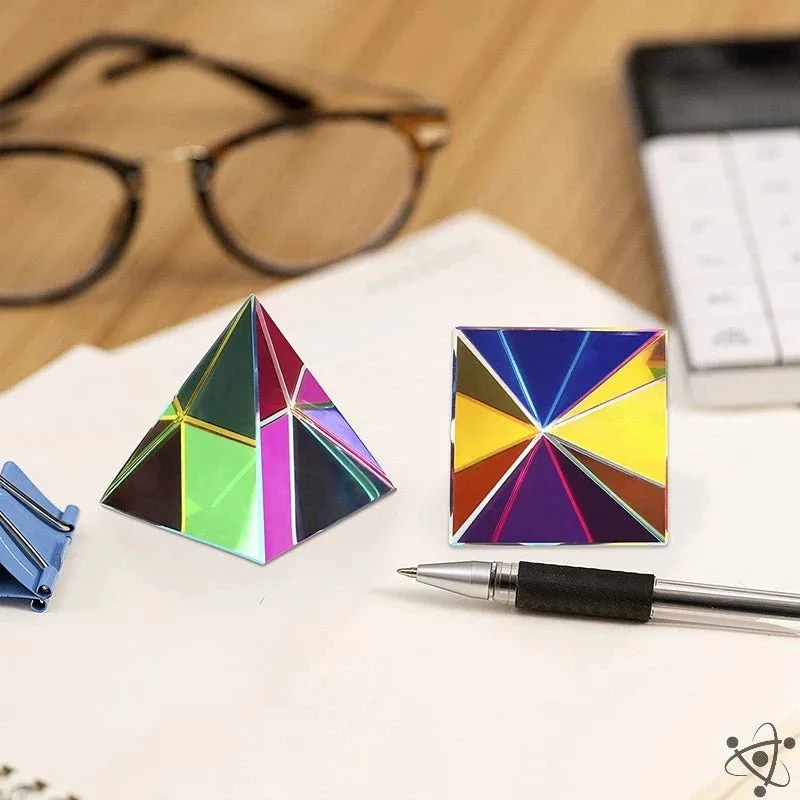
If you want a second decorative piece that reacts to light rather than temperature, the Colorful Pyramid Prism is a low-maintenance alternative that does not need resetting. It splits light into color and stays visually interesting without any daily monitoring.
Storm glass diagnosis chart
- Uniformly cloudy, no visible crystals: The liquid is too warm or has been warmed too quickly, so the solid material has dissolved back into solution. Move it to a stable room at 60–75°F and wait 24–48 hours before judging it.
- Cloudy with suspended flakes or needles: The glass is mid-cycle and the crystals are still present but not yet settled into a clear pattern. Leave it undisturbed; this usually resolves on its own within a day.
- Still cloudy after several days in stable conditions: The location may still be too warm or too still, or the seal may have been compromised by a drop or a freeze. Try one cooler spot for another day; if nothing changes, stop resetting and replace the glass.
Products that fit this setup
- Colorful Pyramid Prism: The Colorful Pyramid Prism is a glass prism that transforms an environment with a range of colors. A good companion piece if you want a light-reactive display that does not need temperature resets.
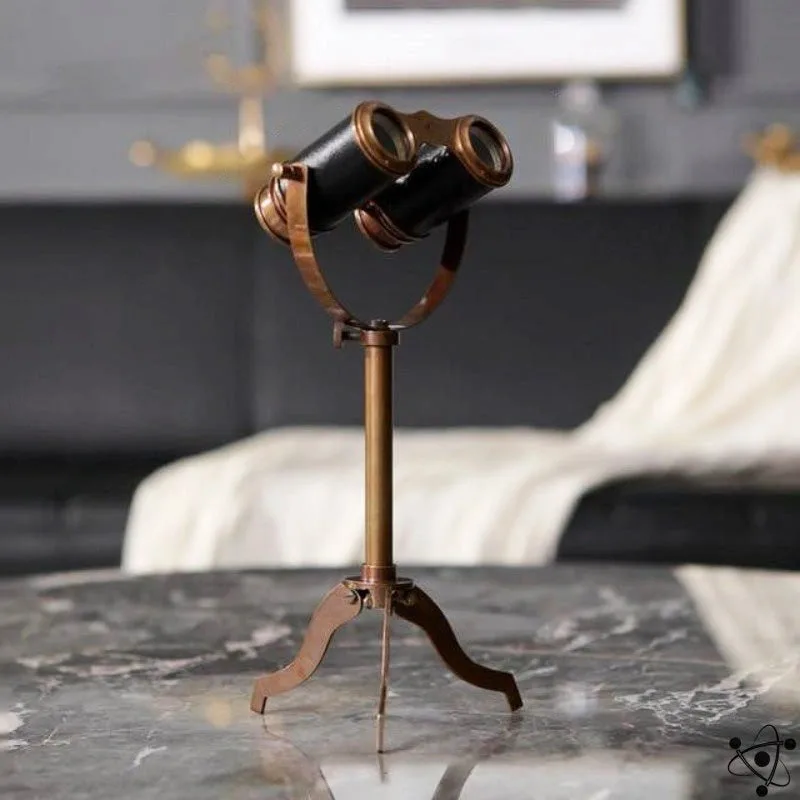
- Telescopes, Spotting Scopes & Binoculars: This set of handcrafted telescopes, spotting scopes, and binoculars brings vintage brass maritime style to a space, with model options available. Useful if your storm glass sits on a study or maritime-themed shelf and you want matching decor that does not depend on room temperature.