Quick answer
A loaf that rises and then caves in almost always means the dough was over-proofed or had too much liquid or yeast, not that the machine is broken. Cut the liquid by 1 to 2 tablespoons, confirm your yeast is fresh, and use the correct loaf size setting before you change anything else. If the loaf never rises at all, the cause is usually dead yeast or a missed ingredient rather than the collapse pattern.
Symptom check: collapse after rising vs. no rise at all
These two failures look similar in the pan but have different causes. A collapse means the dough built structure, then lost it — the classic dome that falls in the middle or shrinks below the pan rim. No rise at all means the dough never developed gas, which points to yeast that is dead, water that was too hot, or salt added directly on top of the yeast.
Watch the loaf during the bake if your model has a viewing window. A loaf that puffs high early and then sinks in the last 20 minutes is over-proofed. A loaf that stays flat the whole cycle never fermented properly.
Yeast problems: the most common cause of a sinking loaf
Yeast loses potency over time, especially in a warm kitchen or an opened packet. If your yeast is more than a few months old, proof it first: stir a teaspoon into warm water with a pinch of sugar and wait 10 minutes. If it does not foam, replace it before you bake again.
Too much yeast causes the dough to rise too fast and then collapse when the structure cannot hold the gas. If you scaled up the yeast to speed things along, go back to the recipe amount. Also check that you are using the yeast type the recipe calls for — active dry and instant yeast are not always interchangeable without adjusting liquid.
Liquid, salt, and flour balance
Extra liquid makes dough too slack to hold its shape, and it collapses as it cools. Humid weather, a wet measuring cup, or a recipe written for a different flour can all push the hydration too high. Reduce the liquid by 1 to 2 tablespoons and see if the loaf holds.
Salt controls yeast activity, so leaving it out lets the dough over-ferment and sink. Add salt away from the yeast, ideally at the edge of the pan. If you substituted whole wheat or another flour for bread flour, expect a denser loaf that may need slightly more liquid and a shorter rise.
Timing, temperature, and machine settings
A breadmaker runs on a fixed schedule, so a dough that proofs faster than the machine expects will over-proof and collapse. In a hot kitchen, use cooler water or a shorter cycle. In a cold room, the opposite problem can occur and the loaf will not rise enough.
Check that you selected the right loaf size and crust setting. A 1.5-pound recipe in a 1-pound setting, or the wrong course, changes the knead and rest times and can leave the dough over-proofed before baking starts. If your machine has a quick-bread or jam setting, do not use it for a yeast loaf.
When to stop adjusting and check the machine
If you have corrected yeast, liquid, salt, and settings and the loaf still sinks every time, the issue may be the pan or the paddle rather than the recipe. A worn paddle can leave dough under-kneaded, which weakens gluten and causes collapse. Inspect the paddle and the pan seal for cracks or buildup.
At that point, replacing a worn part is cheaper than replacing the machine. Zojirushi offers replacement parts for many models, and matching the part number to your exact model is the safest way to restore performance.
Loaf diagnosis guide
- Loaf rose high, then sank in the middle: Over-proofing or too much yeast. Reduce yeast to the recipe amount, use cooler water, and shorten the cycle if your machine allows. If this repeats on every loaf, cut liquid by 1 tablespoon and try again.
- Loaf never rose and is dense: Dead yeast, water that was too hot, or salt poured directly onto the yeast. Proof the yeast separately and add salt at the edge of the pan. If the yeast does not foam in warm water, replace it before your next bake.
- Loaf rises unevenly or has a gummy center: Wrong loaf size setting, wrong course, or under-kneading from a worn paddle. Match the recipe to the pan size and inspect the paddle. If the paddle looks worn or the pan seal is damaged, replace the part rather than the machine.
Replacement parts that can affect loaf structure
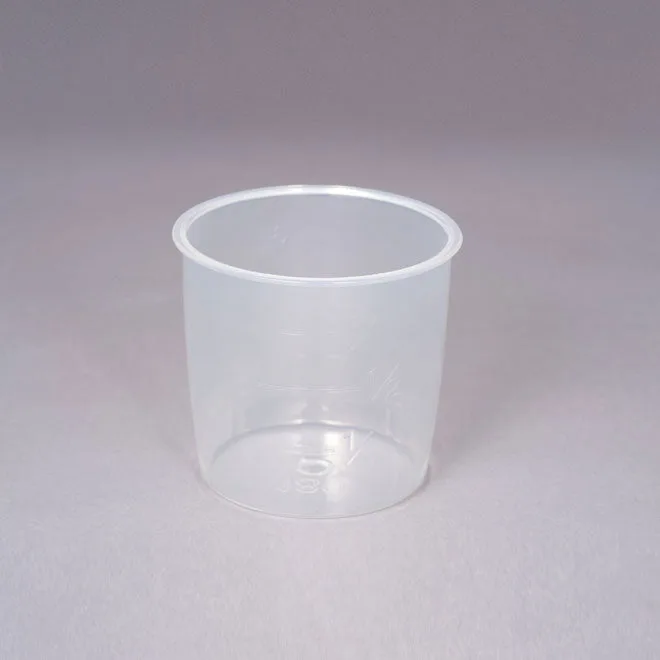
- Measuring Cup for EL-CAC60: The Measuring Cup for EL-CAC60 is a Zojirushi replacement part for the EL-CAC60 model, SKU BG491186L-00, and is PFA-FREE. Accurate liquid measurement is one of the easiest fixes for a sinking loaf, so a correct replacement cup helps you avoid the extra water that collapses dough.
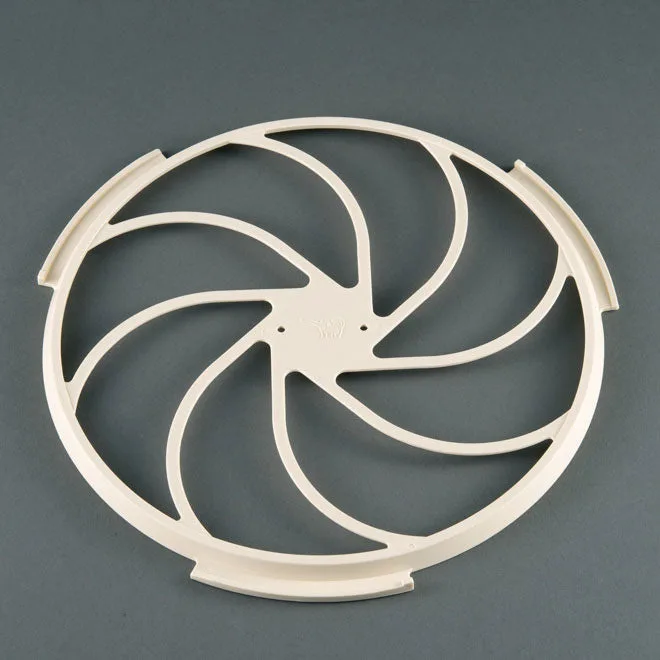
- Sponge Disk Holder for RDS-400/600: The Sponge Disk Holder for RDS-400/600 is a Zojirushi replacement part for compatible RDS series models, SKU 6-RDA-P030, and is PFA-FREE. If your model uses a sponge disk, a worn or missing holder can affect how the dough is supported during proofing and baking, which is worth checking when other causes are ruled out.