Quick Answer
If your vibrator isn't working, start by checking the battery or charge, cleaning the connections, and ensuring it's not in travel lock mode. Most common issues are easily fixable at home, but if the toy still fails, it may be time for a replacement.
There's nothing more frustrating than reaching for your favorite vibrator only to find it won't turn on or has lost its power. Whether it's a sudden failure or a gradual decline in performance, vibrator problems can put a damper on your solo play. The good news is that many common issues have simple solutions you can try at home before giving up on your toy.
In this guide, we'll walk through the most frequent reasons why vibrators stop working, from battery and charging issues to mechanical failures. We'll also provide practical troubleshooting steps and maintenance tips to keep your toys in top shape. By the end, you'll know exactly what to do when your vibrator isn't cooperating.
Battery and Charging Issues
One of the most common reasons a vibrator stops working is a dead or faulty battery. If your toy uses disposable batteries, try replacing them with fresh ones. For rechargeable models, ensure the battery is fully charged. Sometimes, the charging cable or port can be the culprit—check for loose connections or debris that might block the charging pins.
If your vibrator has been charging for hours but still won't turn on, the battery may have reached the end of its lifespan. Most rechargeable toys last for several years with proper care, but eventually, they lose their ability to hold a charge. In that case, it might be time to consider a replacement.
- Always use the charging cable that came with your toy, as third-party cables may not be compatible.
- Clean the charging contacts with a dry cloth to ensure a good connection.
Travel Lock and Control Issues
Many modern vibrators come with a travel lock feature to prevent accidental activation during transit. If your toy isn't responding, it might be locked. Check the user manual for the specific button combination to unlock it—usually, you need to hold down a button for a few seconds.
If the buttons seem unresponsive, the control panel might be dirty or damaged. Wipe down the buttons with a slightly damp cloth and try again. For toys with multiple buttons, ensure you're pressing the correct ones to power on. Some models require a long press rather than a quick tap.
- Refer to the instruction manual for your specific model to learn how to activate or deactivate travel lock.
Motor and Mechanical Failures
If your vibrator turns on but makes unusual noises or vibrates weakly, the motor may be failing. This can happen after years of use or if the toy has been dropped. While some mechanical issues can be repaired, most vibrators are not designed to be opened by the user. Attempting to do so can damage the toy and void any warranty.
Another possibility is that the internal wiring has come loose. This is more common in toys that have been bent or twisted during use. If your vibrator is still under warranty, contact the manufacturer for a replacement. If not, it might be more cost-effective to invest in a new toy.
- Avoid using your vibrator in ways that put excessive stress on the motor, such as pressing too hard against a firm surface.
Cleaning and Maintenance Mistakes
Improper cleaning can also cause vibrator problems. Using harsh chemicals or submerging a non-waterproof toy can damage the internal components. Always follow the manufacturer's instructions for cleaning and storage. For body-safe silicone toys, a gentle soap and warm water are usually sufficient.
Over time, lubricant and body oils can build up on the surface, affecting performance. Regular cleaning not only keeps your toy hygienic but also ensures it functions properly. Store your vibrator in a cool, dry place away from direct sunlight and extreme temperatures, which can degrade materials and batteries.
- Use a dedicated sex toy cleaner for a thorough clean without damaging the material.
Diagnosis Guide
- Symptom: Vibrator won't turn on: Check the battery or charge, ensure it's not in travel lock mode, and clean the charging contacts. If it still won't turn on after these steps, the battery may be dead or the toy may be faulty.
- Symptom: Weak or intermittent vibrations: Inspect the motor area for damage, ensure the toy is fully charged, and clean the surface to remove any buildup. If vibrations remain weak, the motor may be failing and replacement is recommended.
- Symptom: Buttons are unresponsive: Clean the control panel, check for any debris, and refer to the manual for correct button sequences. If buttons still don't respond, the internal wiring may be damaged, and professional repair or replacement is needed.
Product Facts and Features
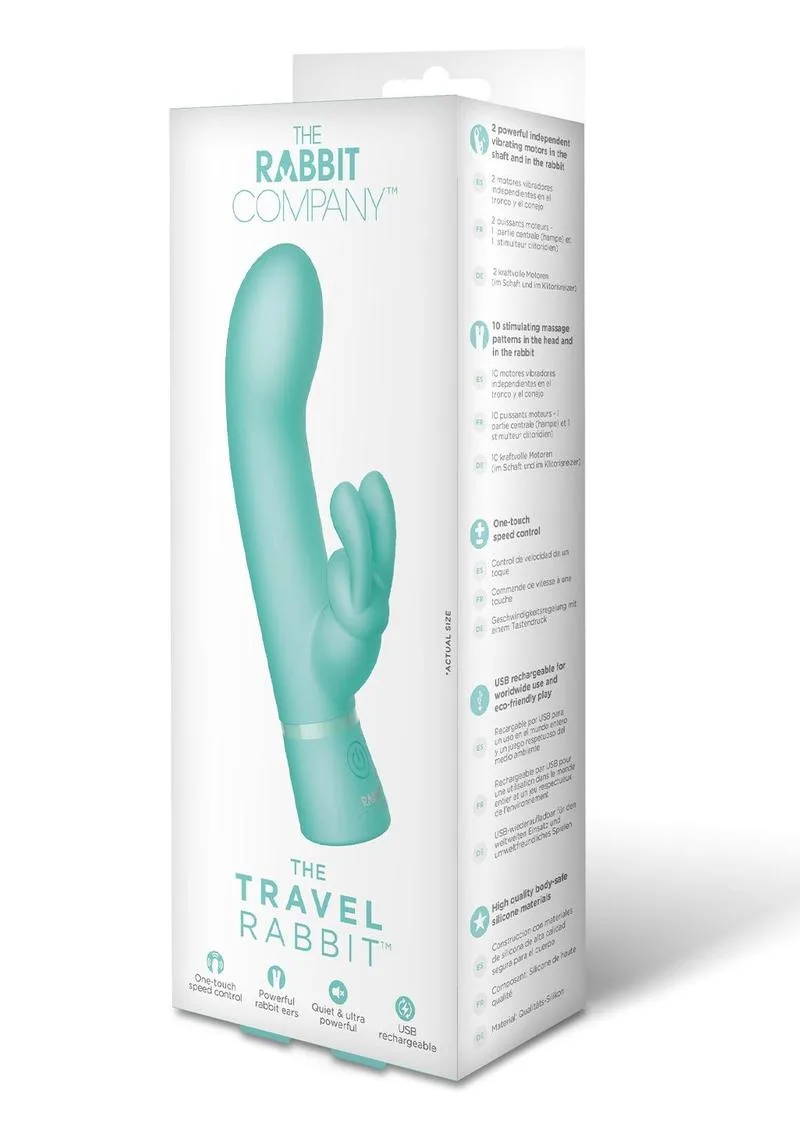
- The Travel Rabbit: Designed with extra-long ears for faster vibrations and clitoral stimulation, and a single button design that cycles through ten stimulating patterns in the head and rabbit. Made from body-safe silicone with two powerful independent motors. The single button design simplifies operation, reducing the risk of control issues, while the independent motors ensure powerful performance even if one motor needs attention.
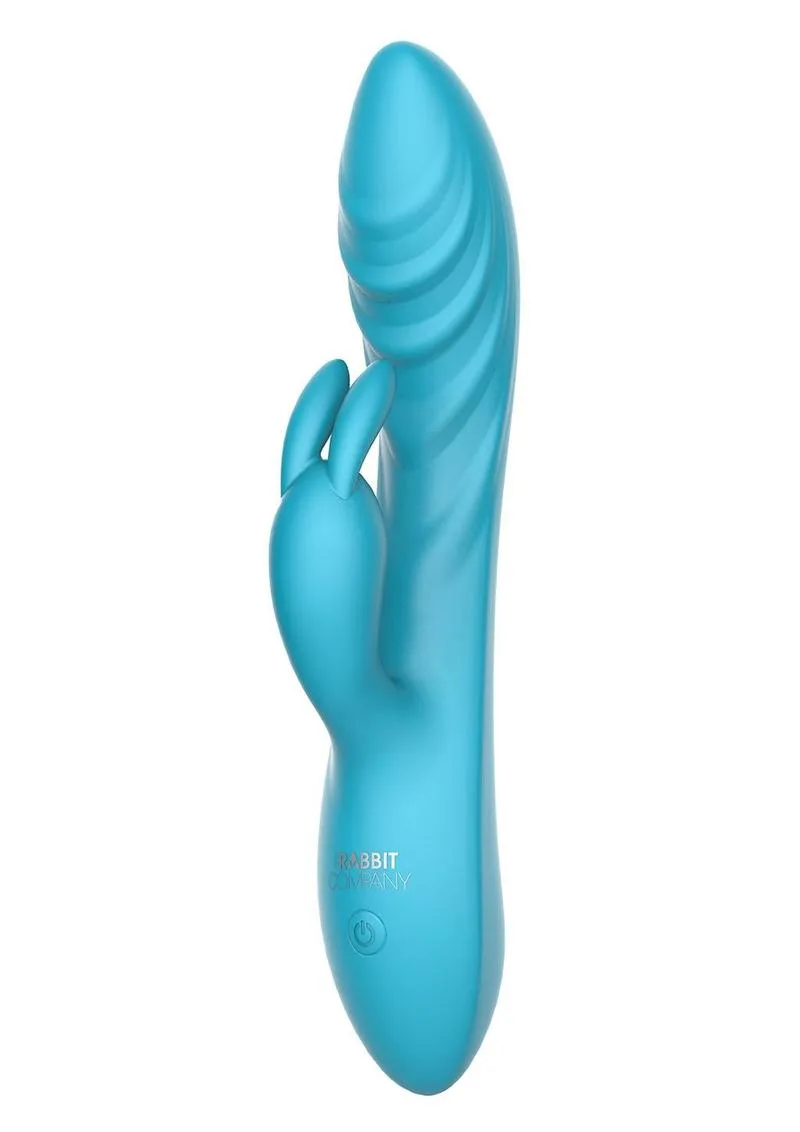
- The Thrusting Rabbit: Features a realistic and powerful thrusting action in the shaft, with a specially contoured shape for G-spot massage and extra-long ears for clitoral stimulation. Ergonomic design for a life-like feel. The thrusting mechanism adds complexity, so regular maintenance and careful use are essential to keep the moving parts functioning smoothly.
Troubleshooting your vibrator can save you time and money, but sometimes a replacement is the best option. If your toy is beyond repair, consider exploring new models with advanced features and reliable performance, like The Travel Rabbit or The Thrusting Rabbit, to ensure a satisfying experience.