Quick Answer
If your vitamin C serum isn't working, you're likely making one of several common mistakes—storing it improperly, using it incorrectly in your routine, or not giving it enough time. Start by checking your serum's color and smell for oxidation signs, then adjust your storage and layering technique.
You've been diligently applying your vitamin C serum every morning, yet your skin looks no brighter and those dark spots remain. It's frustrating, but the problem often isn't the product—it's how it's used. Many people unknowingly sabotage their serum through common mistakes that reduce its effectiveness or even cause irritation.
In this article, we'll diagnose why your vitamin C serum might not be working and provide practical fixes. From storage and layering to managing breakouts, these tips will help you get the glowing results you're after.
Common Mistake: Improper Storage and Oxidation
Vitamin C is notoriously unstable, especially in the form of L-ascorbic acid. Exposure to light, heat, and air can cause it to oxidize, turning it a yellowish or brownish color. Once oxidized, it becomes less effective and can even irritate your skin. If your serum has changed color or smells different, it's time to replace it.
To prevent oxidation, store your serum in a cool, dark place—not in your bathroom where humidity and heat fluctuate. Keep the cap tightly closed and consider buying smaller bottles to use before they degrade. Look for serums packaged in opaque or airless containers, which offer better protection.
- Check your serum's color and smell each time you use it; if it's darkened significantly, it may be oxidized.
- Avoid storing vitamin C serum in direct sunlight or near heat sources like radiators.
Layering Order: When to Apply Vitamin C
The order in which you apply your skincare products matters. Vitamin C works best on clean, dry skin, right after cleansing and before heavier products. If you apply it after a thick moisturizer or oil, it may not penetrate effectively. Also, avoid using it at the same time as niacinamide if you have sensitive skin, as this combination can cause flushing in some people.
A simple routine: cleanse, apply your vitamin C serum, then follow with moisturizer and sunscreen. For best results, use it in the morning to protect against environmental damage throughout the day. Wait a minute or two for the serum to absorb before layering other products.
- Apply vitamin C serum to dry skin before moisturizer and sunscreen.
- If you use niacinamide, consider alternating them (use vitamin C in the morning, niacinamide at night) to avoid potential irritation.
Why Your Serum Might Cause Breakouts
If you notice breakouts after starting a vitamin C serum, it could be due to a few factors. One common culprit is the formulation—some serums contain comedogenic ingredients or high concentrations that can irritate and clog pores. Another possibility is that you're using too much or applying it too frequently, leading to a compromised skin barrier.
If your serum causes breakouts, try reducing usage to every other day and ensure you're not mixing it with other active ingredients like retinol or acids. Also, check the ingredient list for potential irritants. If breakouts persist, consider switching to a gentler derivative or a lower concentration.
- Patch test a new vitamin C serum before applying it to your entire face.
- If you experience persistent breakouts, consult a dermatologist to determine if the serum is the cause.
Diagnosis and Fix: Your Vitamin C Serum
- Symptom: Serum turns yellow or brown: This indicates oxidation, which reduces effectiveness and can cause irritation. Stop using the serum if it's significantly discolored. Replace it and store the new bottle properly.
- Symptom: No visible results after 4-6 weeks: You may be using it inconsistently, applying it in the wrong order, or using a low concentration. Ensure you apply daily in the morning on clean skin, and check the concentration (aim for 10-20% for effectiveness). If you're already doing this, consider increasing frequency or using a derivative.
- Symptom: Breakouts or irritation after starting vitamin C: This could be due to a high concentration, comedogenic ingredients, or mixing with other actives. Reduce usage to every other day and avoid combining with retinol or acids. If irritation persists, stop and try a gentler formulation or derivative.
Products to Help You Get the Most from Vitamin C
- Cosmedica Skincare Vitamin C Serum for Face with Hyaluronic Acid – Anti Aging Serum for Dark Spots, Fine Lines, Wrinkles – Hydrating Collagen Booster for Women & Men: This advanced anti-aging and brightening serum combines three stabilized forms of Vitamin C and multi-molecular Hyaluronic Acid to target fine lines, wrinkles, dark spots, and uneven skin tone. The antioxidant-rich formula helps defend against free radicals and environmental stressors. Stabilized forms of vitamin C are less prone to oxidation, so you can use it longer without losing effectiveness. Hyaluronic acid adds hydration, which can help minimize irritation.
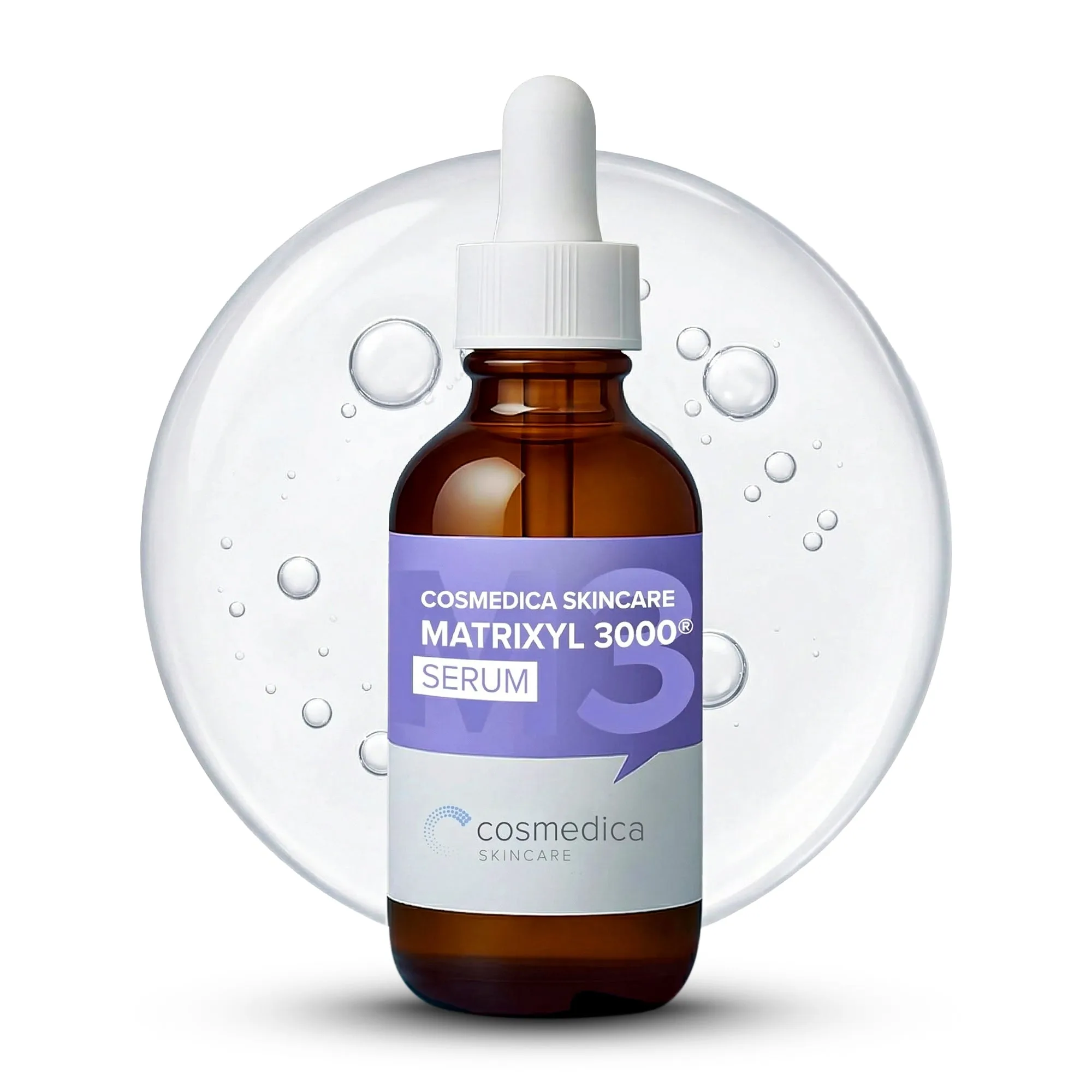
- Cosmedica Skincare Matrixyl 3000 Peptide Serum with Hyaluronic Acid | Hydrating Lightweight Face Serum for Sensitive Skin | Firming Serum with Aloe Vera Vitamin E | 2oz: This advanced serum combines clinically recognized peptides with hyaluronic acid to deeply hydrate and lift, reducing fine lines and wrinkles for a smoother, more youthful complexion. If your vitamin C serum causes irritation, this peptide serum is a gentle alternative that still supports collagen production, making it a good backup or complementary product.
Vitamin C can be a game-changer for your skin, but only if you use it correctly. By addressing these common mistakes—storage, layering, and formulation—you can unlock its full brightening and anti-aging potential. If you've tried everything and still aren't seeing results, it might be time to try a different vitamin C product or consult a skincare professional.