Quick answer
Most smelly plush toys can be fixed by airing them out for 24–48 hours, then surface-cleaning or hand-washing with a mild detergent and drying completely. If the odor comes from mildew or is accompanied by visible mold, replace the toy instead of trying to clean it.
Match the smell to the likely cause
Before you wash anything, smell the toy in three places: the surface fibers, the seams, and any internal stuffing you can reach through a small opening. A sour, milky smell usually means dried saliva or spilled milk trapped in the fibers. A musty, earthy smell points to moisture that never fully dried, which can lead to mildew. A sharp, chemical smell may come from a new toy's dyes or fire retardants and often fades after airing out. If the toy smells like mildew and feels damp or stiff, do not put it in a washing machine—moisture has already reached the inner filling, and washing can spread mold spores.
Air out light odors before washing
For a faint smell with no visible stains or dampness, start with fresh air. Place the toy in a shaded, well-ventilated spot for 24 to 48 hours. Direct sunlight can fade colors and weaken synthetic fibers, so keep it out of strong sun. If the toy has a plastic mechanical part, such as a sound box, remove it if possible or keep it away from heavy airflow that could push dust inside. After airing, smell the toy again. If the odor is gone, you can stop there; if it lingers, move on to surface cleaning.
Surface-clean when the toy cannot get wet
Toys with electronic components, glued-on decorations, or a 'surface wash only' label should not be submerged. Mix a few drops of mild dish soap or baby shampoo in cool water. Dip a microfiber cloth, wring it out until it is barely damp, and wipe the toy's surface in small circles. Avoid soaking the seams. Then wipe again with a clean, damp cloth to remove soap residue. Blot dry with a towel and let the toy finish drying in a ventilated area. This method removes surface oils and saliva that feed odor-causing bacteria, but it will not fix odors coming from deep inside the stuffing.
Hand-wash most plush toys safely
For washable plush toys without electronics, hand-washing gives you the most control. Fill a basin with cool water and a small amount of gentle detergent. Submerge the toy and gently squeeze the water through the fabric. Do not scrub hard, wring, or twist, which can distort the shape and mat the fur. Rinse in cool water until no soap remains. Press the toy between two towels to remove excess water, then reshape it and let it air-dry completely. Depending on the size and filling, drying can take 24 to 72 hours. Turn the toy occasionally so air reaches all sides, including the seams.
What to do when washing is not enough
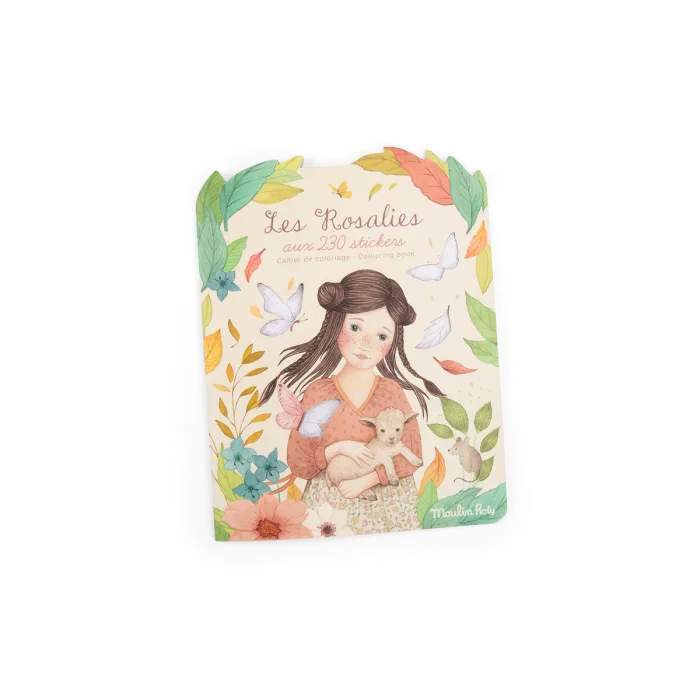
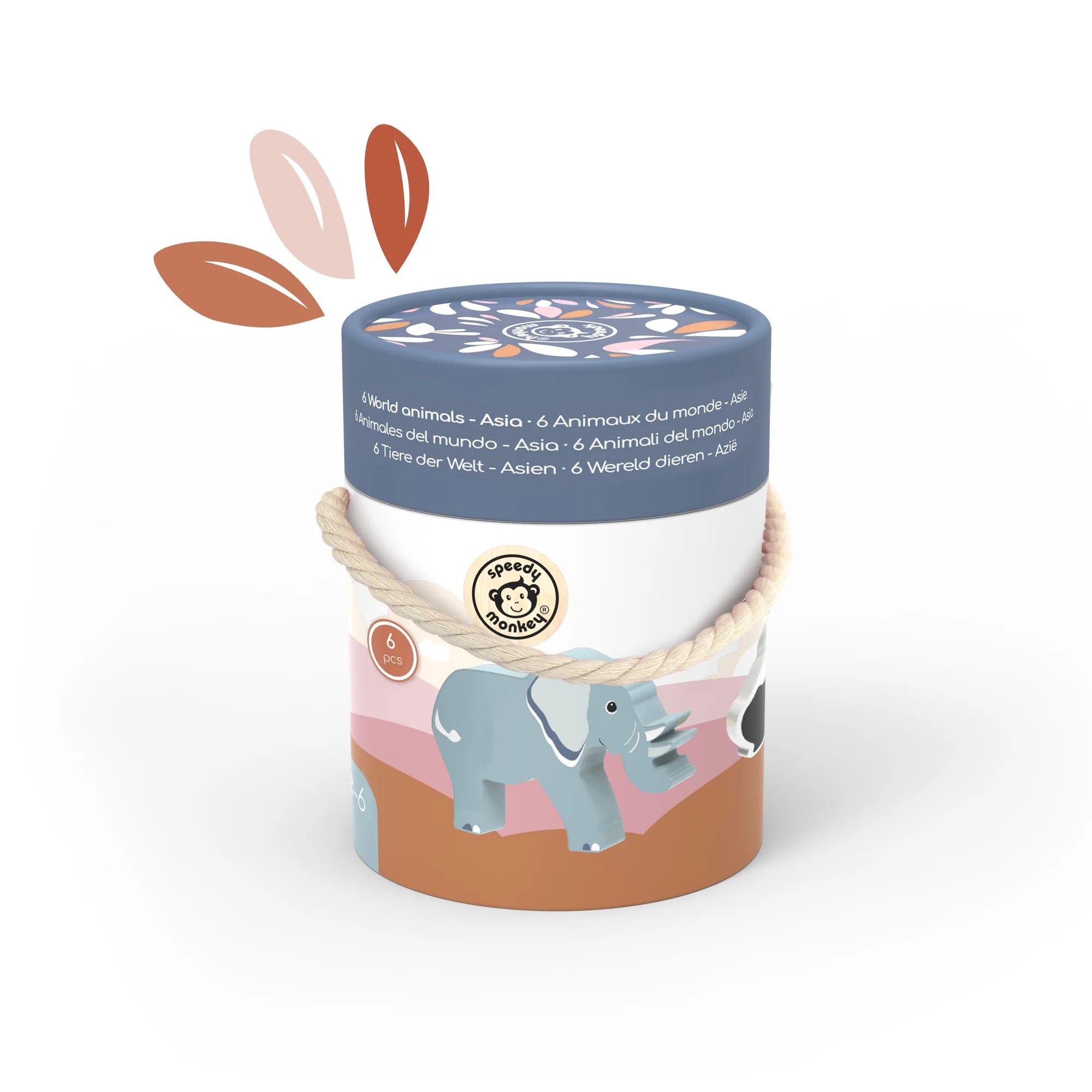
If the toy still smells after a full wash and dry, or if you see dark spots, fuzzy patches, or a musty odor that returns within a day, the mold or bacteria has likely reached the inner filling. At that point, cleaning is no longer reliable. Replace the toy, especially for children with allergies or asthma. For toys that are only lightly soiled and need a quick refresh, a pack of coloring books with stickers can keep kids happily occupied while a favorite plush toy dries. If you are choosing a replacement, look for toys with smooth, child-safe edges and simple surface materials that are easier to wipe clean, like the World Animals Asia figures, which are designed for open-ended play and can be wiped rather than washed.
Odor diagnosis: symptom, cause, and action
- Sour or milky smell on the surface: Dried saliva, spilled milk, or food residue trapped in the outer fibers. Surface-clean with a barely damp cloth and mild soap, then air-dry completely. If the smell is gone after one surface clean, no further action is needed.
- Musty or earthy smell, toy feels damp: Moisture reached the inner filling and may have started mildew. Do not machine wash. If the toy is small and washable, hand-wash and dry thoroughly; if it stays damp or smells again within a day, replace it. Stop cleaning and replace the toy if you see dark spots or the musty smell returns.
- Sharp chemical smell on a new toy: New dyes, adhesives, or fire retardants off-gassing. Air the toy in a shaded, ventilated area for 24–48 hours. If the chemical smell persists after two days, return or replace the toy rather than letting a child sleep with it.
Product facts
- World animals - Asia: World Animals Asia figures are crafted with smooth, child-safe edges and authentic natural tones for open-ended storytelling and habitat play. These hard-surface figures are easier to wipe clean than plush toys, making them a practical alternative when a stuffed animal cannot be washed or keeps returning to a smelly state.
- Coloring books (20 pages) w/ 230 stickers - The Rosalies (Pack of 10): The Rosalies coloring book pack includes 20 pages and 230 stickers per book, recommended for ages 3 and up. While a plush toy is air-drying or being replaced, a coloring and sticker activity gives kids a quiet alternative that does not require washing or special care.