For centuries, tea has been enjoyed as a soothing ritual, a morning energizer, and a moment of calm in a busy day. But as you stand in the tea aisle, you face a choice: a box of tea bags or a pouch of loose leaf tea. While tea bags offer convenience, loose leaf tea delivers a superior experience in taste, aroma, and wellness. In this comparison, we explore the key differences between loose leaf and tea bags, helping you decide which is best for your cup.
From the quality of leaves to the brewing process, the gap between these two formats is larger than most people realize. Whether you are a seasoned tea drinker or new to the world of specialty teas, understanding these distinctions can transform your daily brew. Let’s dive into the details.
What Makes Loose Leaf Tea Different?
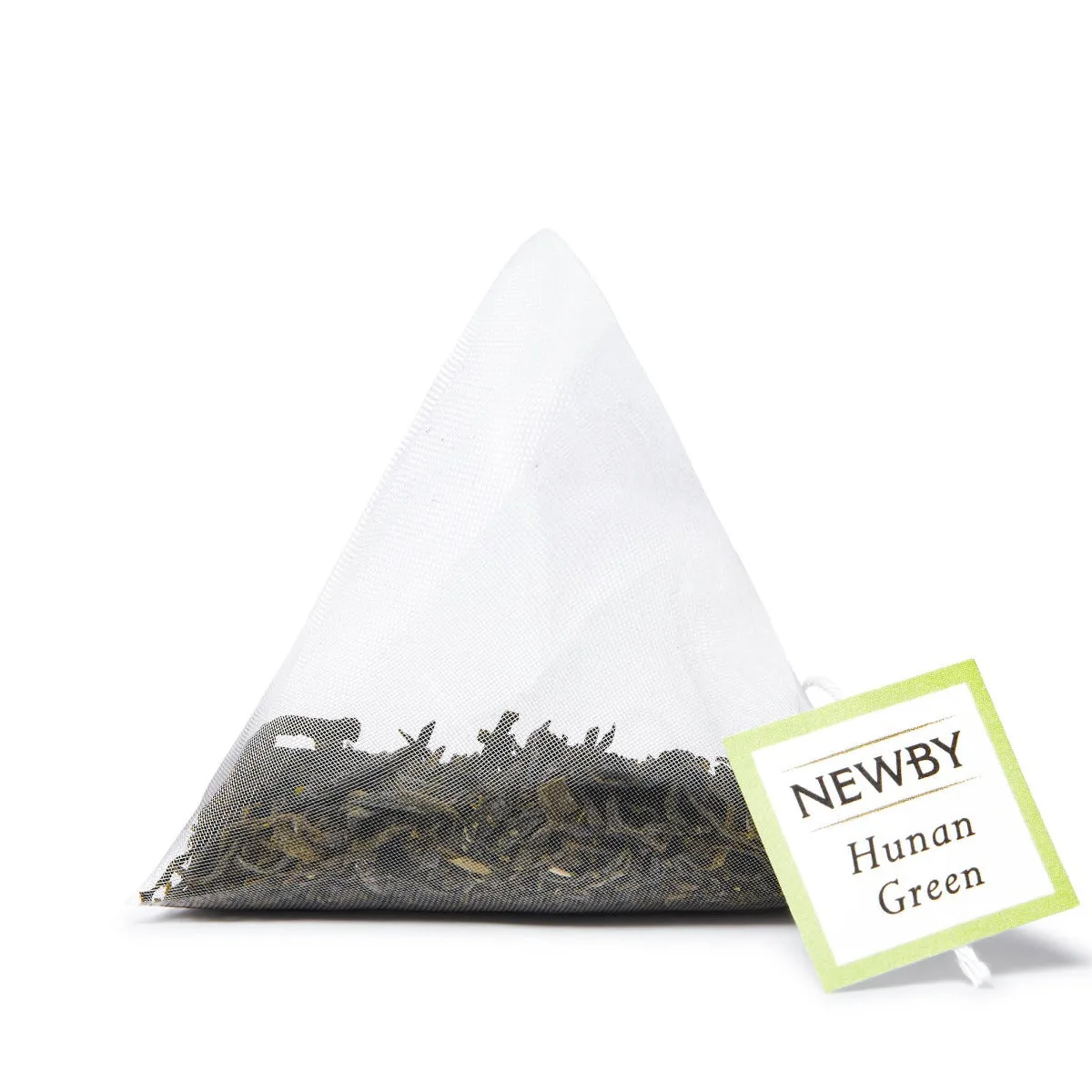
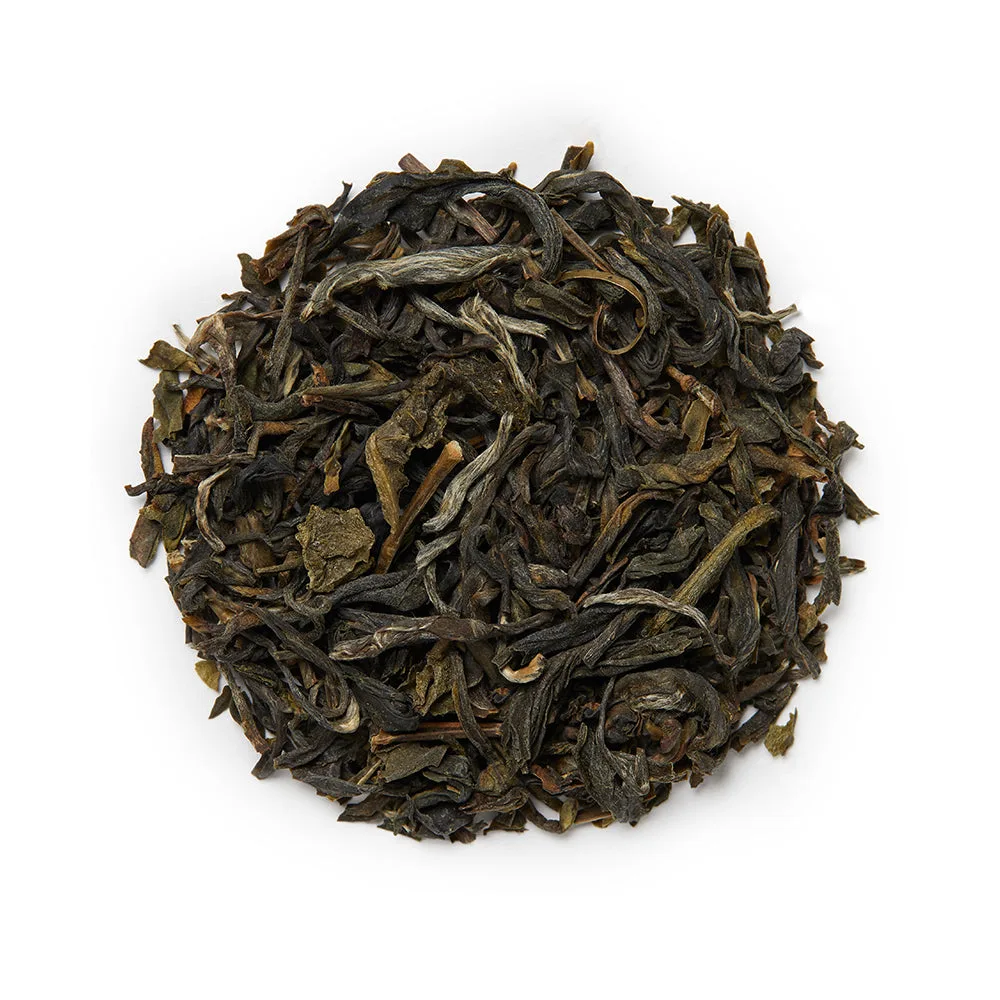
Loose leaf tea consists of whole or large pieces of tea leaves, often including buds and tips that retain essential oils and flavor compounds. In contrast, most tea bags contain fannings or dust—tiny, broken fragments left over from processing. These smaller particles release flavor quickly but also lose complexity and freshness faster. The result is a one-dimensional, often bitter brew that lacks the depth of loose leaf.
When you choose loose leaf, you get the full leaf profile: nuanced notes, smoother mouthfeel, and a richer aroma. For example, a premium green tea like Green Sencha Classic Caddy offers vibrant, grassy flavors that simply cannot be replicated by a bagged version. The larger surface area of whole leaves allows for a slower, more controlled infusion, giving you a cup that is both flavorful and balanced.
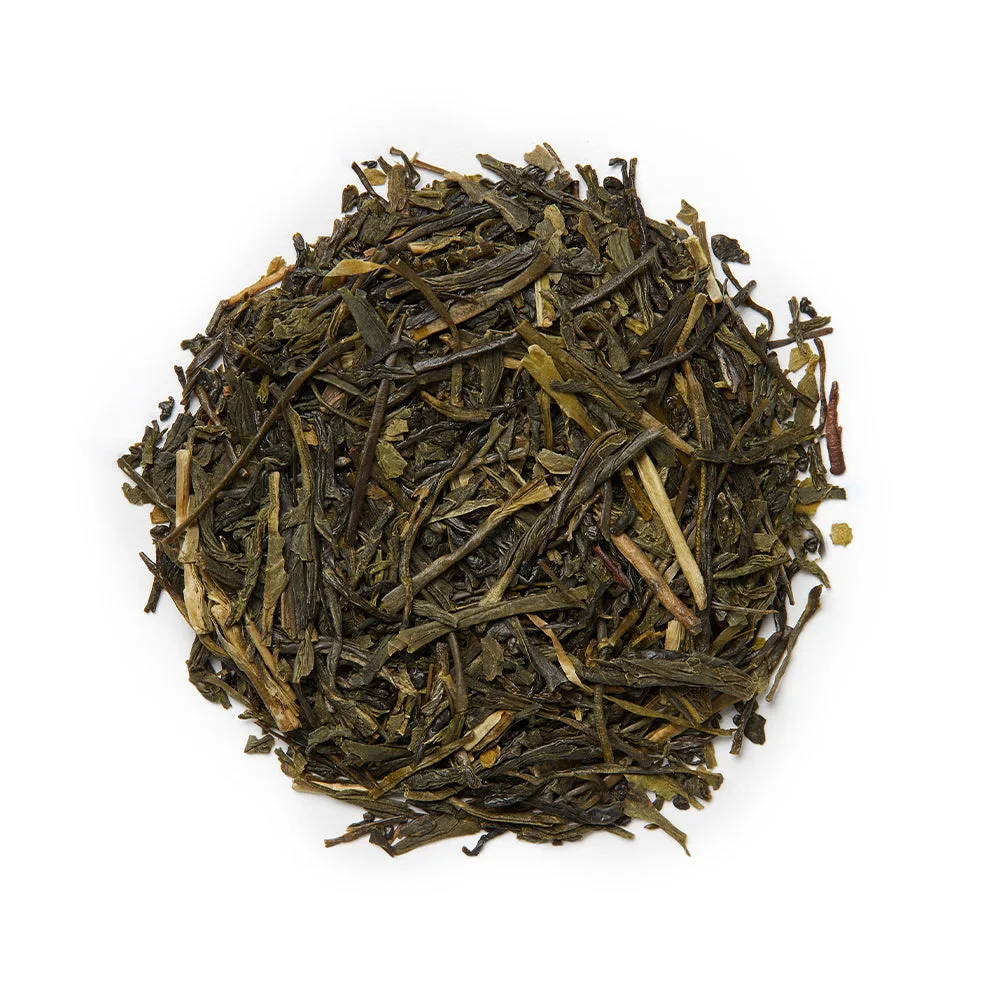
Green Sencha Classic Caddy
- Whole leaves retain more essential oils and antioxidants than broken tea dust.
- Loose leaf allows multiple infusions, extending the value of each serving.
Flavor and Aroma: A Clear Winner
The most immediate difference between loose leaf and tea bags is flavor. Tea bags often produce a flat, generic taste because the small particles oxidize quickly and lose volatile aromatics. Loose leaf tea, on the other hand, offers a layered sensory experience. The leaves unfurl as they steep, releasing a symphony of scents and tastes that evolve with each sip.
Consider a high-quality oolong like High Mountain Oolong Caddy 100g. Its floral, creamy, and slightly toasty notes are a result of careful processing and whole-leaf preservation. In a tea bag, these subtle characteristics would be lost. For herbal blends, the difference is equally striking. Chamomile Loose Leaf Pouch 250g provides a full, sweet apple-like aroma and a soothing cup, whereas bagged chamomile often tastes dusty and weak.
- Loose leaf teas offer complex flavor profiles that change as you steep.
- Tea bags limit the expression of terroir and craftsmanship.
Health Benefits: More Than Just Taste
Beyond flavor, loose leaf tea generally contains higher levels of antioxidants, vitamins, and minerals. Whole leaves preserve more catechins (in green tea) and theanine (in all teas), which support heart health, mental focus, and immune function. Tea bags, due to their broken leaves and often older harvest, may have significantly reduced nutritional value.
Additionally, many tea bags are made with bleached paper or contain plastic sealants, which can leach microplastics into your brew. Loose leaf tea eliminates this concern, especially when steeped in a quality infuser or teapot. For those seeking a wellness boost, options like Body Balance - 25 tea bags offer convenience with curated herbal blends, but for maximum potency, loose leaf remains the gold standard.
- Loose leaf retains more antioxidants like EGCG and L-theanine.
- Avoiding tea bag plastics reduces exposure to microplastics.
Environmental and Economic Considerations
Loose leaf tea is inherently more sustainable than tea bags. Most tea bags are individually wrapped in plastic or foil, contributing to landfill waste. Even compostable bags often require industrial facilities to break down. Loose leaf tea, sold in bulk or recyclable pouches, generates far less packaging waste. You can also compost the spent leaves directly in your garden.
Economically, loose leaf tea often provides more value per cup. While the upfront cost may be higher, you can steep premium leaves multiple times. A single serving of Gyokuro Loose Leaf Pouch 250g can yield three or four delicious infusions, bringing the cost per cup below that of many bagged teas. Plus, you control the strength, avoiding the weak or overly bitter brews common with bags.
- Loose leaf reduces packaging waste and supports zero-waste habits.
- Multiple steeps from high-quality leaves lower the cost per cup.
How to Make the Switch to Loose Leaf
Transitioning from tea bags to loose leaf is easier than you think. Start by investing in a simple infuser basket, a French press, or a traditional teapot with a built-in strainer. Use about one teaspoon of leaves per cup (adjust to taste) and water at the correct temperature—around 175°F for green teas, 200°F for oolongs, and 212°F for herbal blends. Steep for 2-4 minutes, then enjoy.
Experiment with different types to discover your preferences. For a calming evening ritual, try Chamomile Loose Leaf Pouch 250g. For a morning boost, the vibrant Green Sencha Classic Caddy is an excellent choice. The key is to use fresh, high-quality leaves and to store them in an airtight container away from light and moisture. Once you taste the difference, you will never look back.
- Use a mesh infuser or teapot with a strainer for easy brewing.
- Store loose leaf tea in a cool, dark place to preserve freshness.
Choosing loose leaf tea over tea bags is a simple upgrade that elevates your daily cup. You gain richer flavor, better health benefits, and a more sustainable habit. Explore our curated selection of premium loose leaf teas—from vibrant greens to soothing herbals—and experience the difference for yourself. Start your journey with the Green Sencha Classic Caddy or the Chamomile Loose Leaf Pouch 250g, and taste the quality that only whole leaves can deliver.