Quick answer
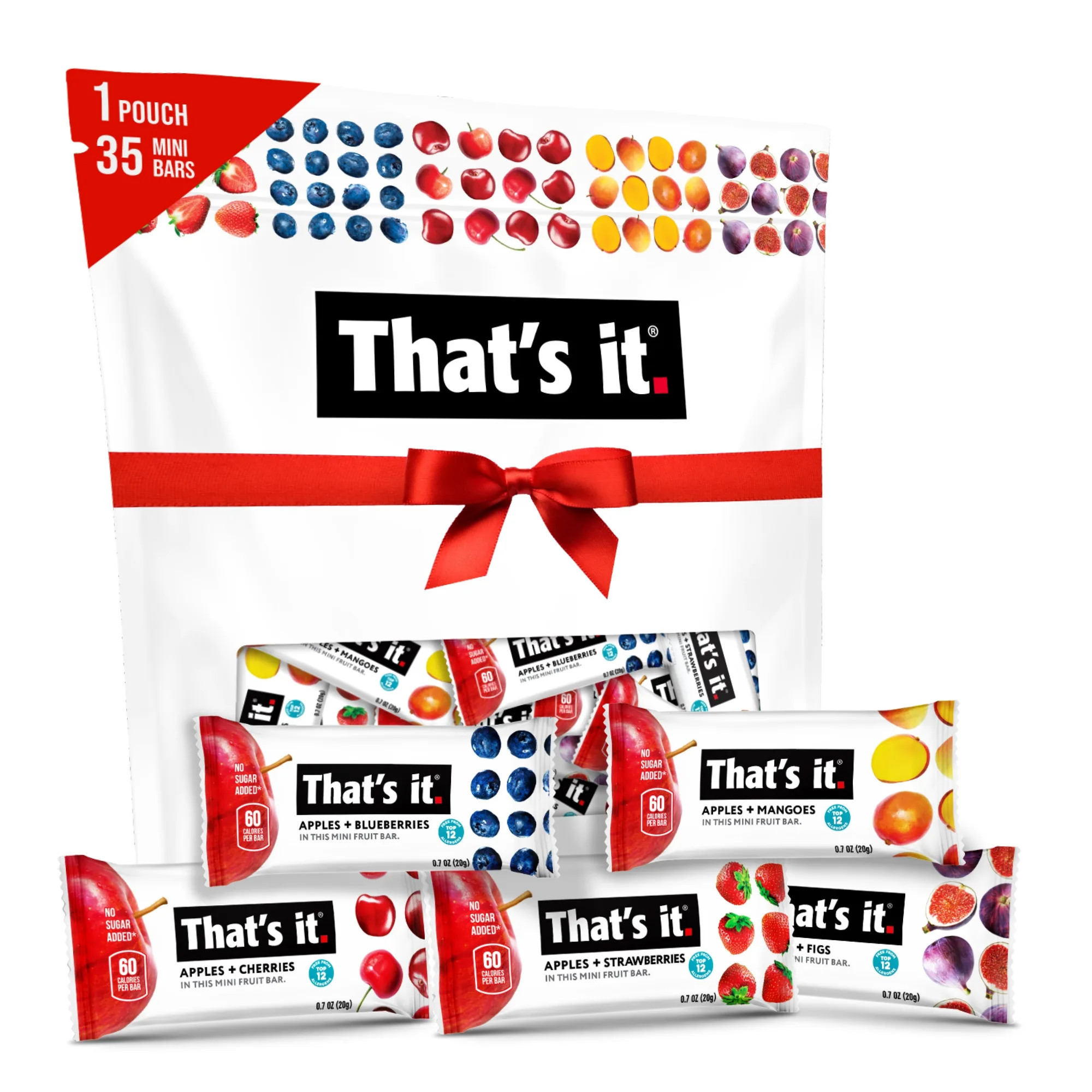
Mini fruit bars work for lunchboxes and travel because a 20g bar is a realistic single serving for most kids, holds up in a bag without crumbling, and needs no refrigeration. Choose a mini bar with a short ingredient list, pack it in a hard-sided container so it does not get crushed, and keep a few in your carry-on or glovebox for delays. If your child regularly eats a full-size bar and stays satisfied, you do not need to switch.
The lunchbox problem minis actually solve
Most lunchbox snack failures are portion problems, not product problems. A full-size fruit bar can be more than a younger child will finish, so half of it comes home squished or gets thrown away. A 20g mini bar matches the appetite of a preschool or early elementary child and leaves room for the rest of the meal. It also gives you a predictable unit: one bar, one snack, no guessing about how much to break off.
The second problem is durability. Soft, sticky snacks smear onto napkins, wrappers, and homework folders. A firmer fruit bar holds its shape in a lunch bag, which matters when the bag gets tossed into a cubby or wedged under a stroller.
How to pack minis so they arrive intact
Wrappers protect the bar, but they do not protect it from being crushed by a water bottle. Put mini bars in a small hard-sided container or in the top compartment of a lunch bag where nothing heavy sits on them. If you are packing for travel, keep the bars in their original wrapper and add a rubber band around the bundle so they do not scatter through your bag.
For hot cars and long flights, remember that fruit bars are shelf-stable but not heat-proof. A bar left on a dashboard in summer will soften and stick to its wrapper. Pack them in your personal item rather than a checked bag or the trunk.
- Use a small rigid container instead of a loose zipper pocket.
- Keep bars in the original wrapper until eating time.
- Move bars out of a hot car before they soften.
Choosing a mini bar that fits your routine
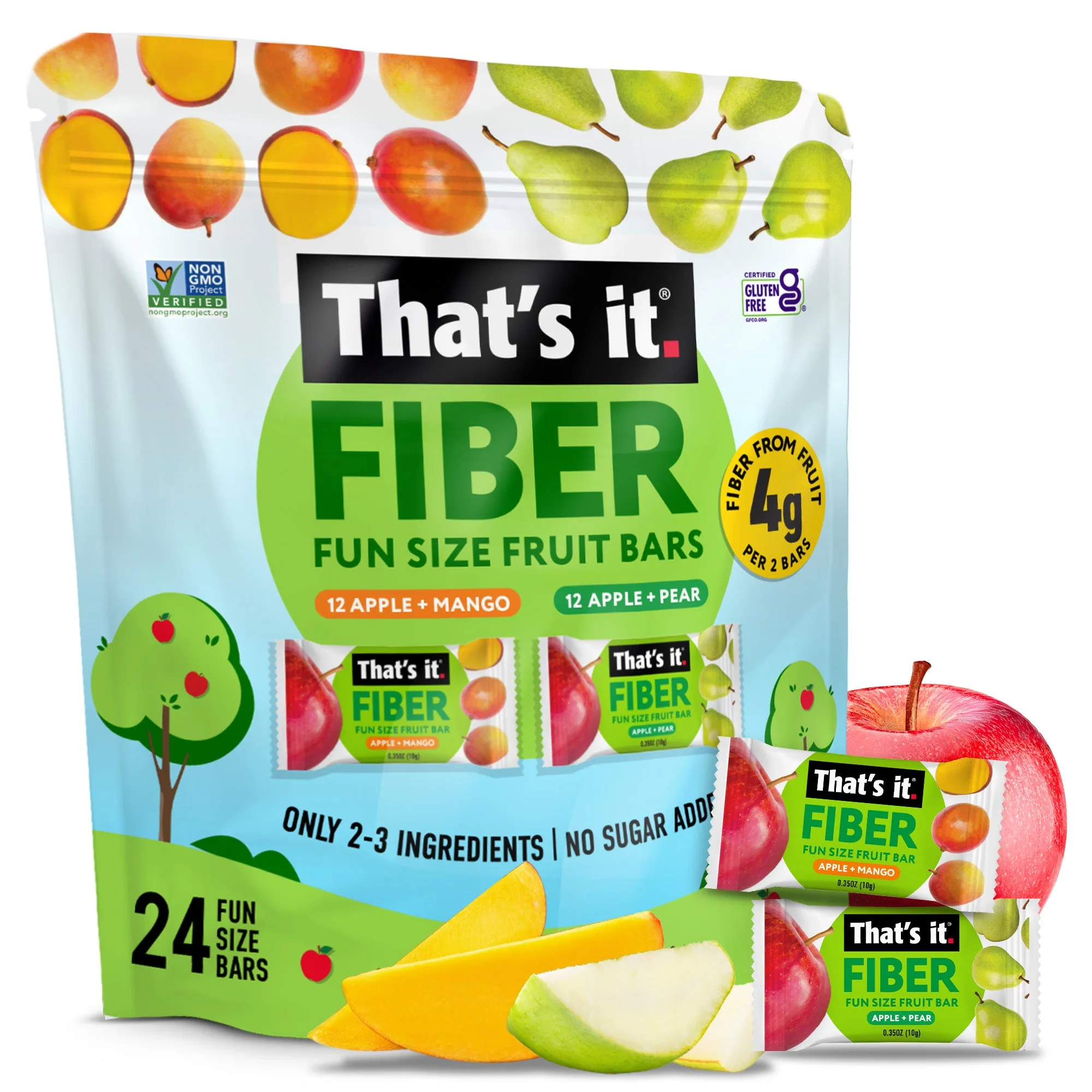
Ingredient count is the fastest filter. A bar made from apples and one other fruit is easy to explain to a picky eater and easy to check against allergies. If your child needs more fiber, a fiber fruit bar with 7g of fiber from fruit is a different tool than a standard mini bar, and it is worth choosing deliberately rather than assuming all fruit bars are interchangeable.
Variety packs are useful for travel because they let you test which flavors your child actually eats before committing to a full box of one flavor. They also reduce the chance that a child gets bored with the same bar by day three of a trip.
When minis are the wrong choice
If your child is a teenager or an athlete who needs a substantial snack between practices, a 20g mini bar may be too small to hold them until the next meal. In that case, a full-size bar or a fiber bar with more staying power is the better fit. Similarly, if you are packing for an adult who wants a snack that replaces a meal, minis will not do it.
Do not use minis as a substitute for a packed lunch or as the only food on a long travel day. They are a snack, not a meal, and they work best alongside a protein, a vegetable, or a sandwich.
Diagnose your snack problem before you buy
- Symptom: half-eaten bars come home every day: The portion is probably larger than your child's appetite at that time of day. A 20g mini bar is a better match for younger kids than a full-size bar. Switch to minis for lunchboxes; keep full-size bars for older kids or bigger appetites.
- Symptom: bars crumble or smear in the bag: The bar is being crushed by heavier items or exposed to heat. Use a rigid container and keep bars out of hot cars and checked luggage. If the bar still falls apart, choose a firmer fruit bar or a fiber bar with a denser texture.
- Symptom: your child is hungry again an hour after a mini bar: A 20g fruit bar is a small snack, not a meal replacement. Pair it with a protein or a sandwich, or move to a fiber bar with 7g of fiber for more staying power. If hunger persists, minis are the wrong tool; choose a larger bar or a different snack.
Products that fit this approach
- Minis Variety Pack - Blueberry, Mango & Strawberry (24 Bars): 24-count variety pack with eight Apple + Strawberry, eight Apple + Mango, and eight Apple + Blueberry 20g mini bars; 100% natural, plant-based, and gluten-free. A variety pack lets you rotate flavors across a week of lunchboxes and test which ones your child finishes before buying a single-flavor box.
- Apple + Fig Fruit Bars: Apple + Fig Fruit Bars are made with only apples and figs, with no preservatives, added sugar, concentrates, or purees. A two-ingredient bar is a straightforward option for kids who prefer a less tart flavor or for parents who want a very short ingredient list.
- Apple + Pear Fiber Fruit Bars (12 Bars): Apple + Pear Fiber Fruit Bars deliver 7g of fiber from fruit per bar and are made with only three ingredients: apples, pears, and apple fiber. If the goal is a snack that helps close a fiber gap rather than just a small treat, this bar adds fiber without added sugar.