Quick answer
Chalky or grainy miniature paint is almost always a thinning or application problem, not a bad pot. Thin with a little water or medium instead of a lot of water, load the brush lightly, and stop spreading a layer once it starts to drag. If the finish is still rough after a clean re-prime and two thin coats, the primer surface is the culprit, not the paint.
What chalky actually looks like on a model
Chalky paint reads as a pale, dusty haze that sits on top of the surface rather than soaking into it. Under a lamp it looks flat and slightly speckled, and drybrushing over it makes the texture worse because the pigment catches on the rough peaks. It is different from a matte finish: matte paint still shows a smooth, even coat, while chalky paint looks like it has been dusted with talc.
Check the model under daylight before you decide. Indoor bulbs with a warm cast hide grain, and photos taken with a phone flash exaggerate it. If the surface looks fine in daylight and rough only in a photo, you may be looking at lighting, not a paint fault.
Cause 1: too much water in the thinning cup
Water alone breaks the acrylic binder faster than it thins the pigment. Once the binder is diluted past a certain point, the pigment particles no longer sit in a smooth film, so they dry as loose powder. This is the most common reason paint looks chalky on a small model, because a tiny drop of water is already a large ratio change in a brush-load of paint.
Fix it by thinning on a palette with a small amount of acrylic medium or a medium-and-water mix, adding liquid in fractions rather than a full drop. If you have already laid down a chalky layer, let it cure fully, then smooth it with a thin glaze of the same colour rather than scrubbing at it.
Cause 2: overworking paint that is already drying
Acrylic paint skins over within seconds on a warm, dry day. If you keep pushing the brush through a layer that has started to set, you tear the half-dry film and leave ridges and flakes that look chalky. The tell is a brush that suddenly drags and a surface that looks streaky in one direction.
Work in smaller areas, reload before the brush runs dry, and accept that a thin patchy first coat is normal. Two quick passes beat one long pass that you keep correcting. Keep a damp sponge or a wet palette nearby so the paint on the palette stays workable while the paint on the model sets.
Cause 3: a rough or dusty primer coat
Primer sprayed too far away, in high humidity, or in short bursts dries in the air and lands as grit. Paint over that grit will look chalky no matter how well you thin it, because the texture is underneath. The same happens when primer is applied too thick and the surface stays slightly tacky.
Test the primer before you blame the paint: run a fingernail lightly across a primed area. A smooth primer feels like plastic; a bad one feels like fine sandpaper. If it is rough, strip the model and re-prime in thin passes at the recommended distance, or switch to a brush-on primer for the next batch.
When to stop fixing and change the product
If you have corrected thinning, application, and primer and the finish is still dusty, the paint itself may be old, separated, or simply a poor match for the job. Heavily separated paint that will not re-emulsify after thorough shaking will not recover with medium. At that point, replace the pot rather than fighting it.
For coverage-critical work, a high-opacity paint is a practical alternative to layering many thin coats. Extra Opaque acrylics are formulated to cover primers and supports in one application, which reduces the number of passes you make and therefore the chance of overworking a drying layer. They will not fix a rough primer, and they are not a substitute for proper thinning, but they cut down the repetition that causes chalkiness in the first place.
the number
Chalky paint diagnosis checklist
- Symptom: pale dusty haze across a whole area: The binder has been diluted past the point where it can hold pigment in a smooth film. This points to water-heavy thinning rather than the paint itself. Re-thin with medium and apply one thin glaze over the cured layer. Stop if the haze lifts after one pass.
- Symptom: streaks and ridges that follow your brush strokes: You are pushing paint that has already begun to set. The half-dry film tears instead of levelling. Work smaller areas and reload sooner. If the surface still tears, the room is too warm or dry for the pace you are painting at.
- Symptom: uniform grit, worst in recesses and flat panels: The texture is under the paint, so the primer is rough or dusty. No amount of thinning will fix it. Strip and re-prime, or use brush-on primer. Stop repainting over grit; you will only bury the texture.
- Symptom: chalky after clean thinning, careful application, and a smooth primer: The pot is likely old or separated beyond recovery, or the formula does not suit the surface you are painting. Replace the pot or switch to a high-opacity paint for coverage work. Stop adding medium to a paint that will not re-emulsify.
Paint to try when coverage is the problem
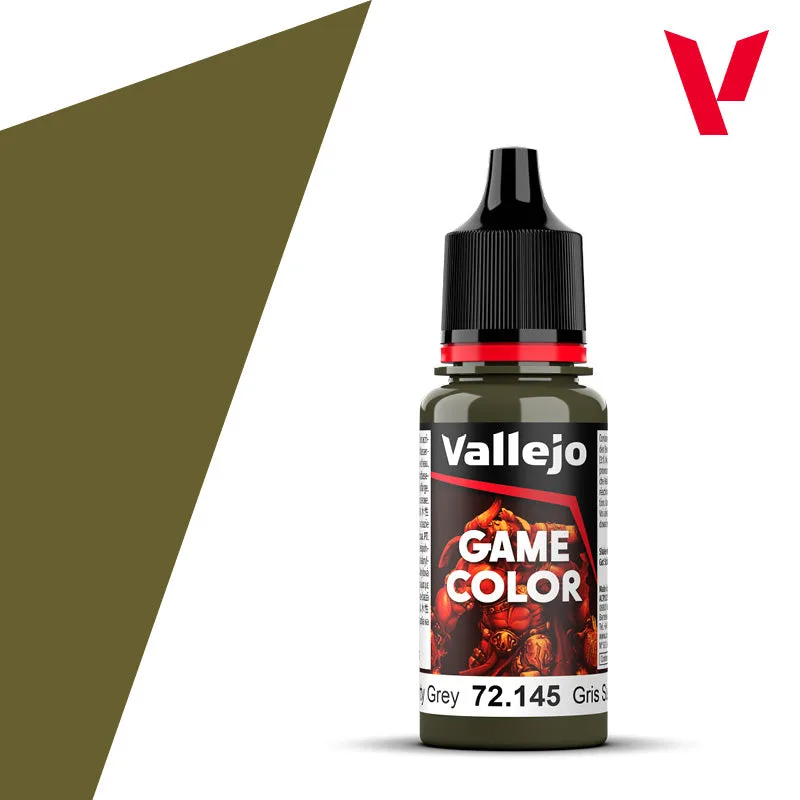
- Vallejo Game Color Extra Opaque - Heavy Grey: Vallejo Game Color Extra Opaque is a highly pigmented acrylic formulated to give an especially matte, opaque coating that covers primers and supports in one application, with a resin designed for adhesion on plastics and metals. One-coat coverage means fewer passes over a drying layer, which is the main application cause of a chalky finish. The tradeoff is that extra-opaque paint is less forgiving to thin heavily, so add medium rather than water if you need it to flow.