Teaching children about money is one of the most valuable life skills parents can offer. In a world of instant gratification and digital transactions, helping kids understand the concept of saving can set them up for a lifetime of financial responsibility. One of the simplest and most effective tools for this lesson is the humble money bank—often called a piggy bank—which transforms abstract savings into a tangible, rewarding experience.
At Shop Kids Clothes & toys, we believe that learning should be fun and hands-on. That’s why we’ve curated a selection of money banks and related products that encourage kids to save while enjoying the process. In this guide, we’ll explore why money banks are so effective, how to introduce savings to different age groups, and which products can complement your child’s financial journey.
Why a Money Bank Works Wonders for Young Minds
A money bank is more than just a container for coins—it’s a visual and physical representation of saving. When a child drops a coin into a slot, they see and hear the reward of their action. This immediate sensory feedback reinforces the habit of setting money aside. Unlike digital accounts, a clear money bank allows kids to watch their savings grow, which builds excitement and patience.
Research shows that children as young as three can begin to grasp basic money concepts. A money bank introduces the idea that money is finite and that choices have consequences. By deciding whether to spend now or save for a bigger goal, kids practice delayed gratification—a skill linked to better academic and life outcomes. Plus, the act of counting coins together strengthens math skills and family bonding.
- Start with a transparent money bank so kids can see their savings accumulate.
- Set a simple goal, like saving for a small toy or treat, to make the process meaningful.
- Celebrate milestones (e.g., half full) with verbal praise or a non-monetary reward.
Age-Appropriate Ways to Introduce Savings
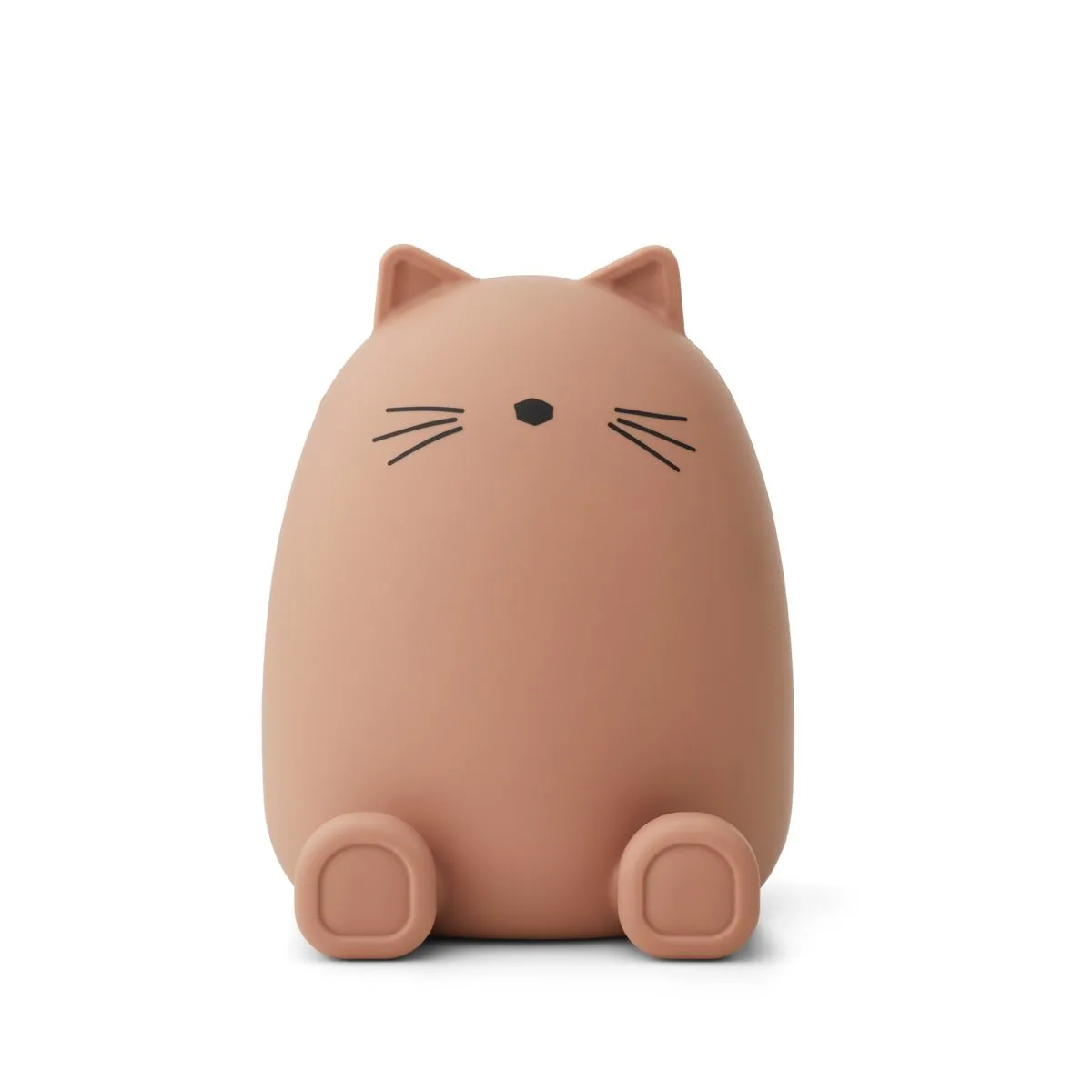
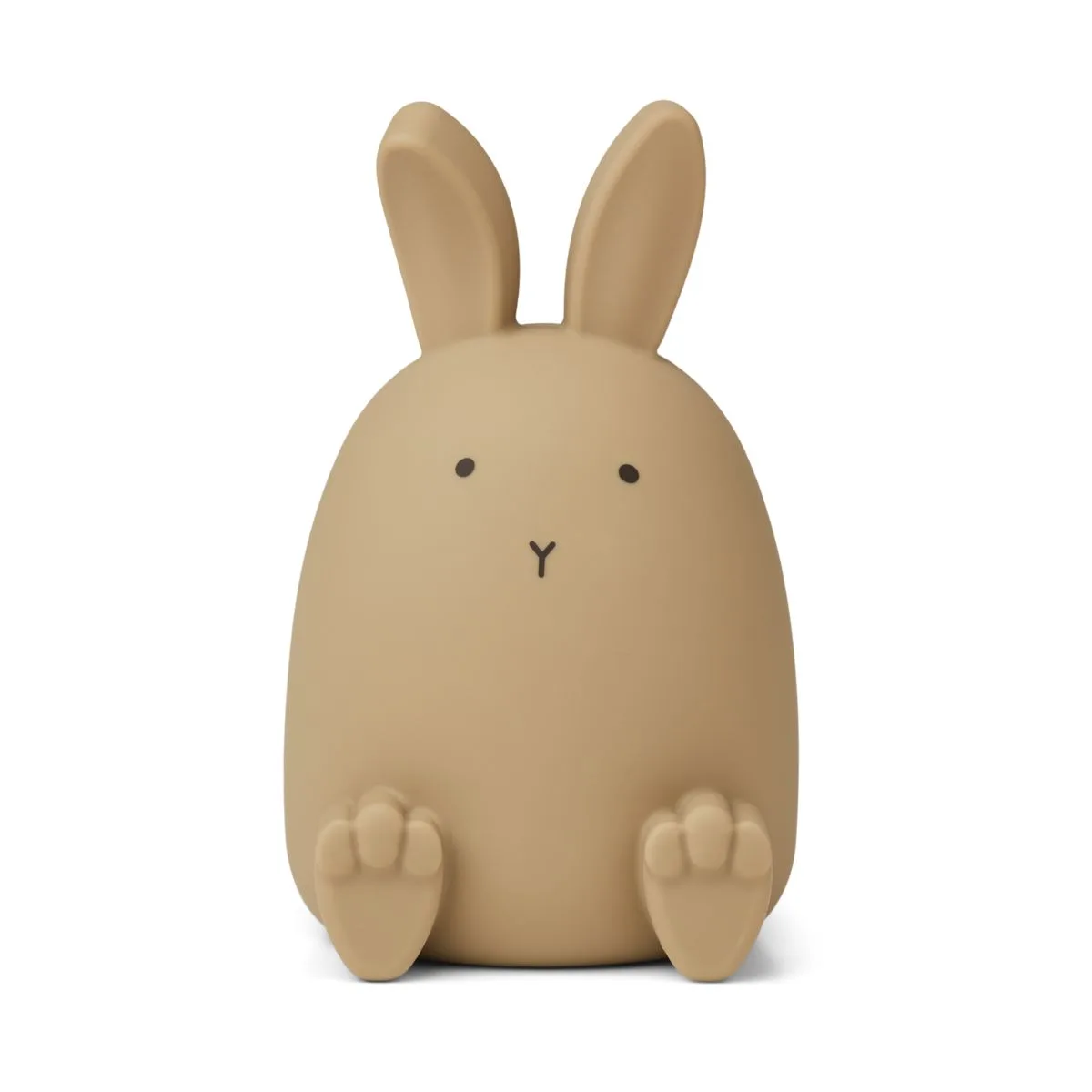
For toddlers and preschoolers (ages 2–4), focus on the fun of dropping coins into a money bank. Use large, easy-to-hold coins and supervise to avoid choking hazards. At this stage, the lesson is about cause and effect, not math. A colorful, sturdy money bank with a friendly animal design can capture their attention and make saving a game.
For early elementary kids (ages 5–7), introduce the concept of goals. Help them choose something they want to buy, like a new art set or a small toy, and calculate how many coins or dollars they need. Use a money bank with compartments or a clear container to track progress. You can also combine this with a chore chart to earn coins for tasks. For older kids (ages 8–12), start talking about saving for bigger items or even a portion for charity. A digital money bank that counts coins automatically can add a tech-savvy twist.
- Use three jars or compartments: one for saving, one for spending, and one for sharing (charity).
- Let kids decorate their own money bank to increase ownership and excitement.
- Role-play store scenarios where they ‘buy’ items using saved coins.
Complementary Products to Enhance the Savings Lesson
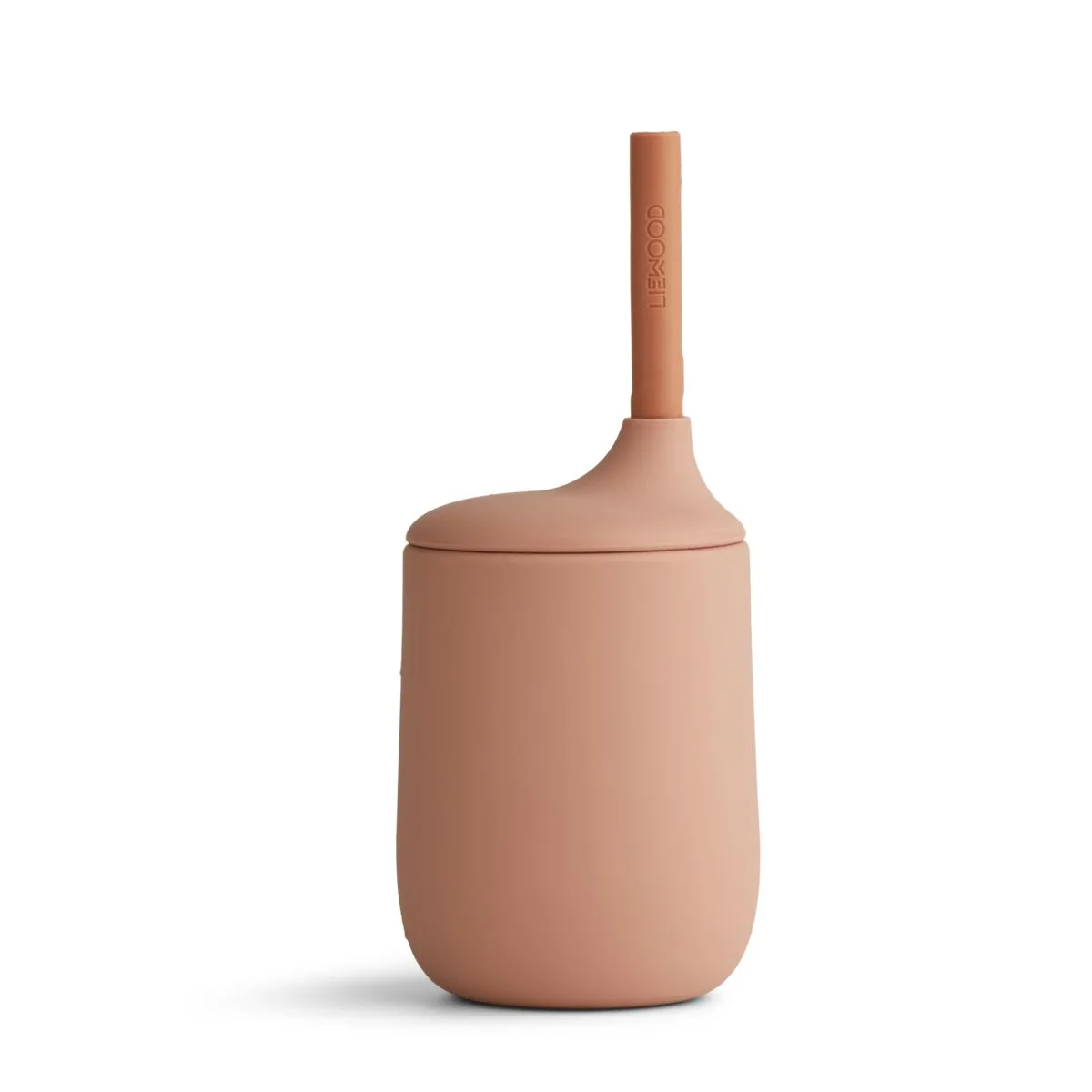
While a money bank is the star of the show, pairing it with other everyday items can reinforce the message. For example, when your child saves enough for a special treat, you can celebrate by using a fun cup for a drink. The Pavia Tritan Straw Cup 280 ml in Peach / Sea shell makes a great reward—it’s durable, colorful, and perfect for little hands. Similarly, a stylish cap like the Rory Seersucker Cap in Y/D stripe Pale tuscany / Creme de la creme can be a goal to save toward, teaching that saving leads to tangible, enjoyable rewards.
Another way to integrate savings into daily life is through mealtime. The Kiani Food Jar in Tiger / Sandy is ideal for packing healthy snacks for outings, and you can involve your child in deciding how much to spend on snacks versus saving for a bigger item. Even clothing can play a role: a cozy piece like the Bea Quilted Jacket With Frill Collar in Peach / Sea shell can be a long-term savings goal that builds anticipation and pride when achieved.
- Pair saving goals with small, affordable rewards to maintain motivation.
- Use a visual savings chart alongside the money bank for older kids.
- Discuss the difference between needs and wants during grocery shopping trips.
Tips for Making Savings a Family Habit
Consistency is key when teaching kids about money. Set a regular time each week to count coins together and update a savings chart. Use positive language—instead of saying “you can’t spend that,” say “let’s see how much we can add to your money bank this week.” Involve siblings or friends to create a friendly competition, such as who can save the most in a month (with a small prize for everyone who participates).
Model good financial behavior yourself. Let your child see you putting spare change into a jar or discussing your own savings goals. When they ask for something at the store, gently remind them of their money bank goal and ask if they’d rather save for that instead. Over time, these small conversations build a strong foundation for financial literacy that will serve them well into adulthood.
- Create a family savings challenge with a shared goal, like a pizza night.
- Use a clear jar for the whole family’s spare change to show collective saving.
- Read children’s books about money and saving during story time.
Starting early with a money bank turns a simple habit into a lifelong skill. Whether you choose a classic piggy bank or a modern design, the key is to make saving fun, visual, and rewarding. At Shop Kids Clothes & toys, we have a wonderful selection of money banks and complementary products to support your child’s financial journey. Explore our collection today and find the perfect tool to help your little one become a savvy saver.