Quick answer
Use The Richest Kids In America as a springboard to discuss earning, saving, and giving with your child. The real-life stories make financial concepts relatable.
Why stories work better than lectures for financial literacy
Children absorb values through narrative, not abstract advice. The Richest Kids In America profiles young entrepreneurs who turned passions into businesses, showing kids that money comes from solving problems. This approach sidesteps the boredom of traditional lessons.
A common mistake is treating the book as a one-time read. Instead, use each story as a conversation starter about a specific money habit, such as saving a portion of earnings or choosing to give back.
How to teach money skills with The Richest Kids In America
- Read one story together each week: Pick a single entrepreneur profile from The Richest Kids In America and read it aloud. Pause after the part where they discover their passion. Ask your child what they would do if they had that same passion. Do not rush through multiple stories in one sitting. One story per week gives time for the lesson to sink in.
- Identify the money lesson in the story: After reading, point out the specific money habit the young entrepreneur used—saving profits, reinvesting in the business, or donating to a cause. Write it down on a sticky note and put it on the fridge. If your child cannot see the money lesson, ask: 'How do you think they paid for their supplies?' This keeps the discussion concrete.
- Create a small earning opportunity at home: Based on the story, design a mini-business or chore that earns your child a small amount. For example, if the story involved baking, let them bake cookies to sell to family. Help them set aside a portion for saving and a portion for giving. Keep the earning small and time-bound. The goal is practice, not profit. Avoid making it feel like a chore by letting them choose the activity.
- Talk about giving back: The Richest Kids In America emphasizes giving back. After your child earns, discuss one local cause or charity they care about. Let them decide how much to donate, even if it's just a dollar. Do not force a specific amount. The habit of giving matters more than the size of the donation.
- Review and repeat with a new story: At the end of the week, ask your child what they learned about money from the story and their own earning experience. Then start the next story. Over time, patterns like saving first or reinvesting will become second nature. If your child resists the review, skip it. The repetition of the stories themselves will still build the habit.
Product spotlight
-
The Richest Kids In America: The book shares stories of entrepreneurial superstars who are living their dreams and making a big difference. Your child sees relatable peers earning money by pursuing what they love, which makes the concept of earning feel achievable rather than abstract.
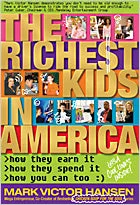
The Richest Kids In America