Quick answer
Muslin bibs stain after washing because food and drool residues set into the fabric fibers when exposed to heat or prolonged moisture. The fix is to pre-treat stains immediately, use a cold rinse cycle, and avoid fabric softeners that trap residues. For set-in stains, a baking soda and vinegar soak works well.
Why stains set in muslin bibs
Muslin's loose weave is great for absorbency, but it also means food particles and drool can get trapped deep in the fibers. When you wash bibs in hot water or dry them with heat before the stain is fully removed, the residue bakes into the fabric, making it nearly impossible to lift later.
Common culprits include tomato-based foods, berries, and formula or breast milk residue. These contain natural dyes and proteins that bond with the cotton-bamboo blend if not treated quickly.
How to remove existing stains
Start by rinsing the stained area with cold water as soon as you notice it. Apply a small amount of liquid dish soap directly to the stain and gently rub the fabric together. Let it sit for 10 minutes, then rinse again.
For stubborn stains, create a paste of baking soda and water, spread it over the stain, and let it dry completely. Wash the bib in cold water with a gentle detergent. Avoid bleach, which can weaken the bamboo rayon fibers.
If the stain persists after washing, do not put the bib in the dryer. Instead, hang it in direct sunlight — the UV rays naturally bleach many organic stains without damaging the fabric.
How to prevent future stains
Prevention starts with immediate action. Rinse or spot-treat bibs right after feeding rather than letting them sit in a wet pile. Store soiled bibs in a dry, ventilated hamper to prevent mildew and stain setting.
Wash bibs in cold water on a gentle cycle. Hot water can set protein-based stains from milk or food. Skip fabric softeners and dryer sheets — they coat the fibers and make it harder for water to lift stains during the next wash.
Consider rotating between multiple bibs so each one dries completely between uses. This reduces the chance of lingering moisture that can cause stains to set.
Stain diagnosis at a glance
- Symptom: Brownish or yellow spots appear on bibs after washing, especially around the neckline or where food touched. This is almost always set-in food or drool residue, not a fabric defect.
- Likely cause: Hot water wash or high-heat drying before the stain was fully removed. Protein and dye molecules bond permanently to the fibers when exposed to heat. Check your washer and dryer settings. Cold water and low or no heat are your friends.
- Corrective action: Pre-treat with dish soap and cold water, then soak in baking soda paste. Wash in cold water. Do not dry until stain is gone. Sunlight bleaching is a safe last resort before discarding the bib.
- When to stop or choose another option: If stains remain after two full treatment cycles and the fabric is still soft, the stain is purely cosmetic and the bib is still usable. If the fabric feels stiff or rough, the fibers may be damaged by repeated hot washes. At that point, consider replacing the bib. Comfy Cubs muslin bibs are affordable enough to rotate in fresh ones.
Bibs that handle stains well
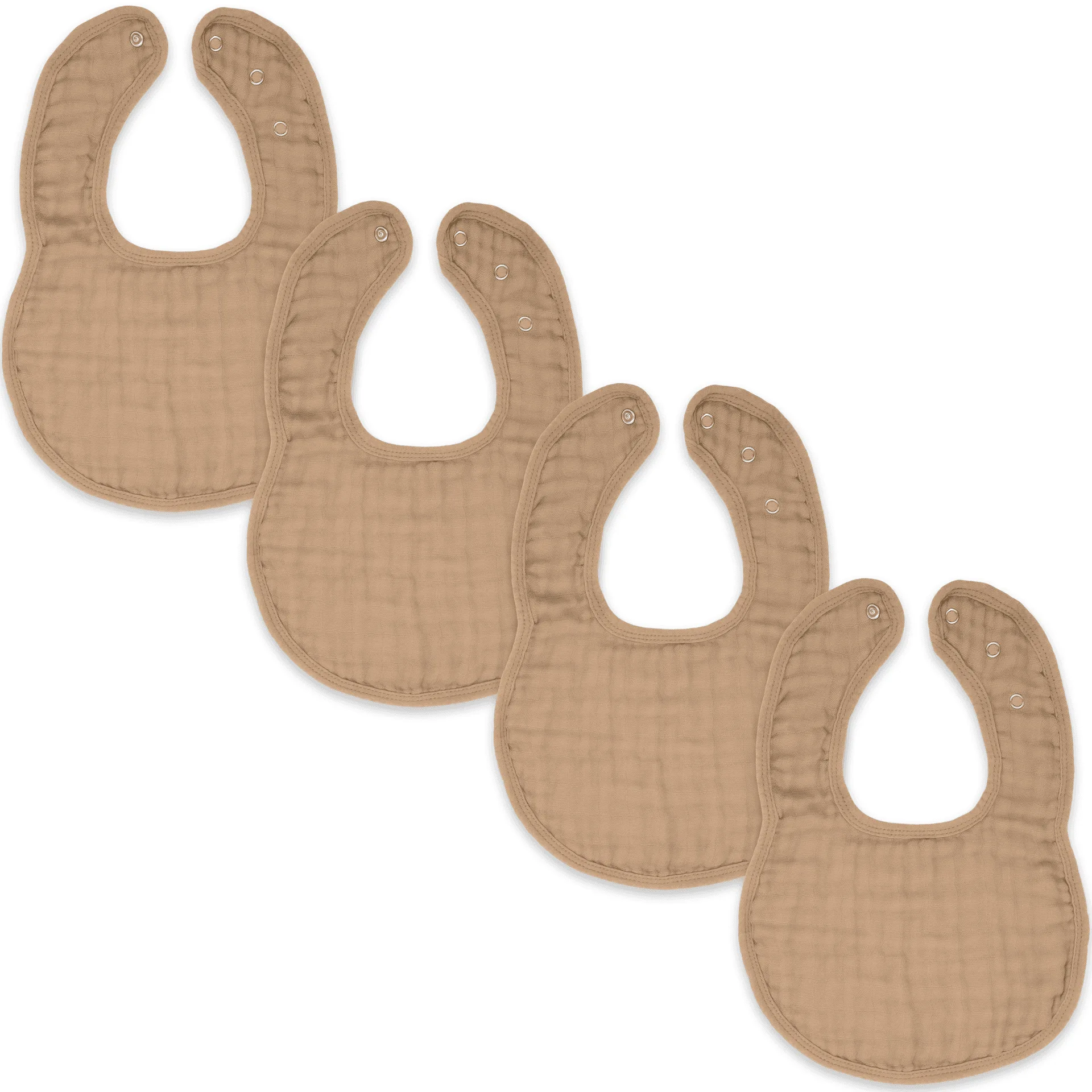
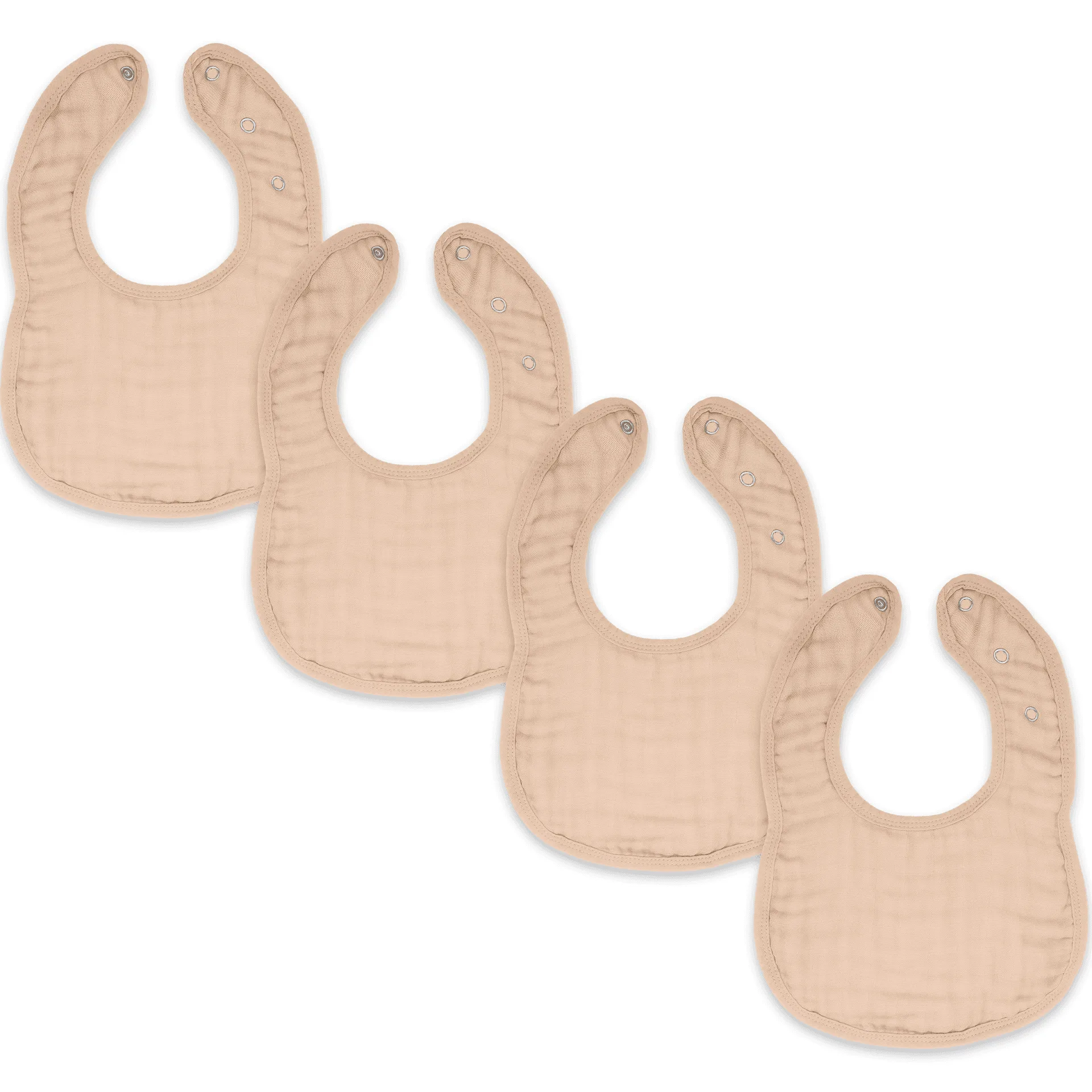
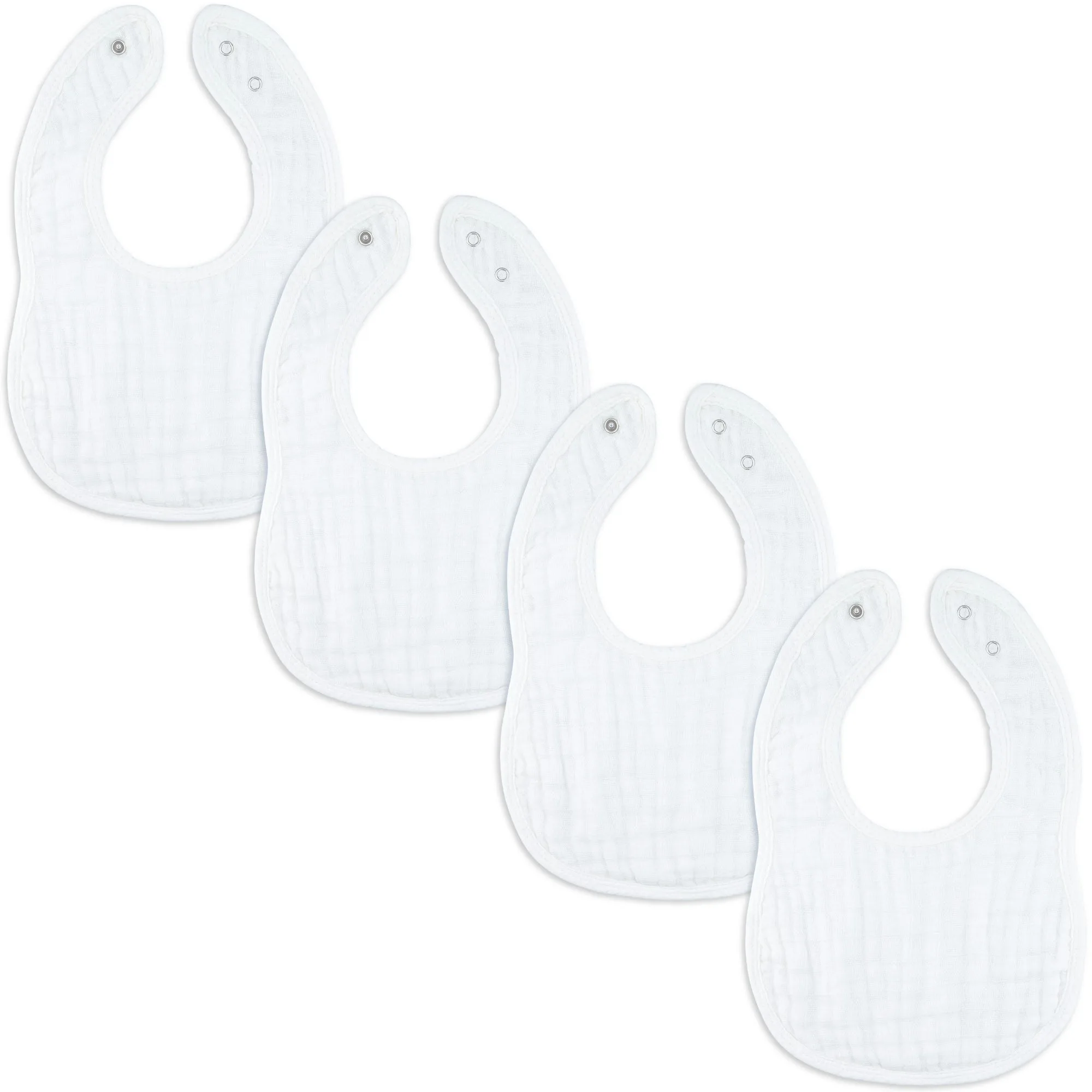
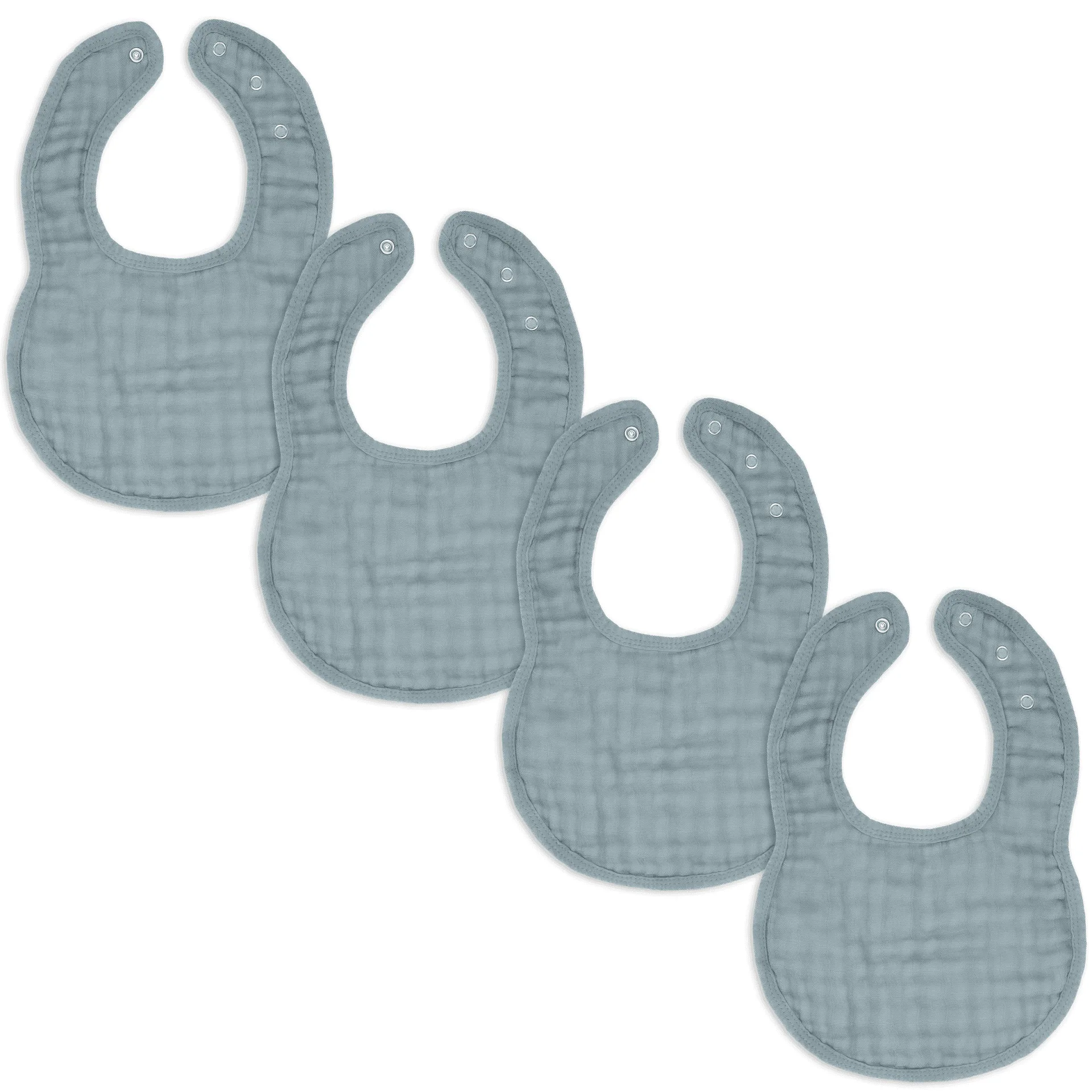
- Muslin Bibs in Pacific Blue: Soft and Gentle on Baby's Skin: Made from 70% Bamboo Rayon and 30% Muslin Cotton, these drool bibs are gentle and soft on your baby's delicate skin, keeping them comfortable and protected at all times. Highly Absorbent: Comfy Cubs Muslin Cotton Bandana Drool Bibs are extremely absorbent, making them the perfect solution for catching drools, spills, and messes, keeping your baby and their clothes dry and protected. The bamboo rayon fibers are naturally stain-resistant compared to plain cotton, and the high absorbency means spills are pulled into the fabric rather than sitting on top where they can set into stains.