Quick answer
Most Nendoroid Doll outfit fit problems come from three things: fabric that has no stretch, a closure that was fastened before the body was fully seated, or a garment cut for a different doll body. Fix the order of dressing first, then adjust the garment, and only then consider a different piece. If the fabric itself is too stiff or the seams are too narrow to let the joints move, stop forcing it and switch garments.
Rule out the body before you blame the clothes
Before you tug on a tight sleeve, check that the doll is assembled correctly. Nendoroid Doll bodies are highly articulated, and a limb that is not pushed fully into its socket adds length that the garment was never cut to cover. Pop the arms and legs back to a neutral seated position, then re-dress. If the same outfit suddenly closes, the garment was fine and the body position was the problem.
Also check the neck joint. If the head sits high, collars and hoods will gap at the back even though the torso fits. Press the neck joint down until it seats, then re-try the top.
Match the symptom to the cause
A garment that will not close at the back usually means the closure was hooked while the doll was still bent forward. Undo it completely, straighten the torso, and fasten from the bottom up. A garment that closes but restricts arm movement is a cut problem, not a fastening problem. A garment that gaps at the chest but fits the waist is a proportion mismatch between the pattern and the doll body.
Fabric behavior matters here. Stiff woven fabrics with no give will not forgive a half-seated joint, while knits and stretch fabrics will. If you are working with a non-stretch piece, slow down and seat every joint before fastening.
Corrective actions that do not damage the figure
Work in this order: undress completely, reseat all joints, then dress from the feet up for pants and from the arms in for tops. Fasten closures last. For sleeves that bind, roll the cuff back over the hand rather than pulling the arm through by the wrist. For skirts and dresses that sit too high, check whether the waistband is caught on a hip joint before you adjust the hem.
If a closure still will not meet, do not force it. A gap of more than a few millimeters usually means the garment is sized for a different body, and stretching the fastener will weaken it over time.
When to stop and choose another outfit
Stop if the fabric shows stress marks at the seams, if the closure hardware bends, or if the doll cannot hold a pose without the garment pulling the joint out of place. These are signs the piece is not compatible with the body, not signs you need to try harder.
The practical alternative is to choose garments with some give, or to use a doll body that matches the garment's intended proportions. If you are buying new clothes, check whether the listing specifies which doll body the pattern was cut for. When that information is absent, treat it as a decision limitation and expect to test the fit yourself.
Fit problem diagnosis
- Garment will not close at the back: The closure was fastened while the torso was bent or a joint was not fully seated. Undress, reseat all joints, straighten the torso, and fasten from the bottom up. If it still will not close, the garment is likely cut for a different body.
- Sleeves or pant legs bind at the joint: The garment has no stretch, or the limb was pushed through by the wrist or ankle instead of being guided. Roll cuffs back over the hand or foot, then slide the limb through. If the fabric shows stress marks, stop and switch garments.
- Chest gaps but waist fits: The pattern proportions do not match the doll body you are using. This is a sizing mismatch, not a fastening error. Choose a garment cut for your body type or accept the gap as a design limitation.
Products that illustrate fit and scale
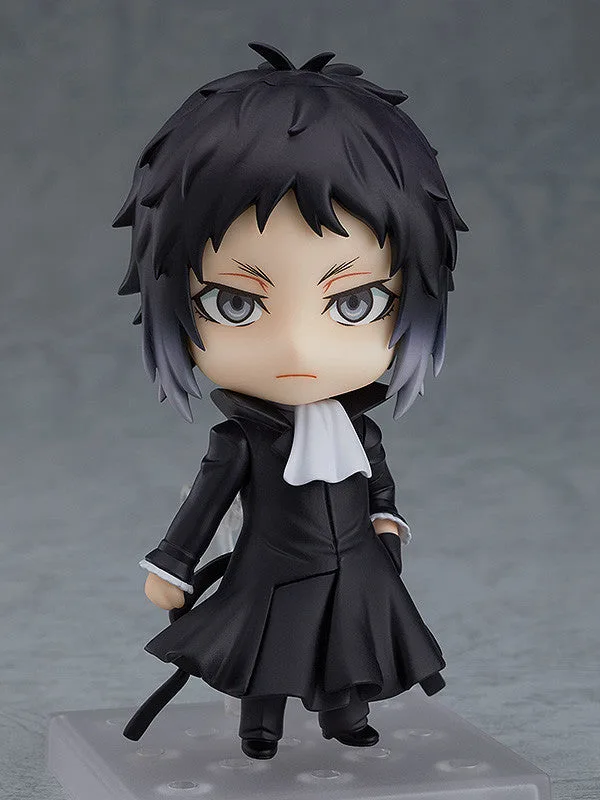
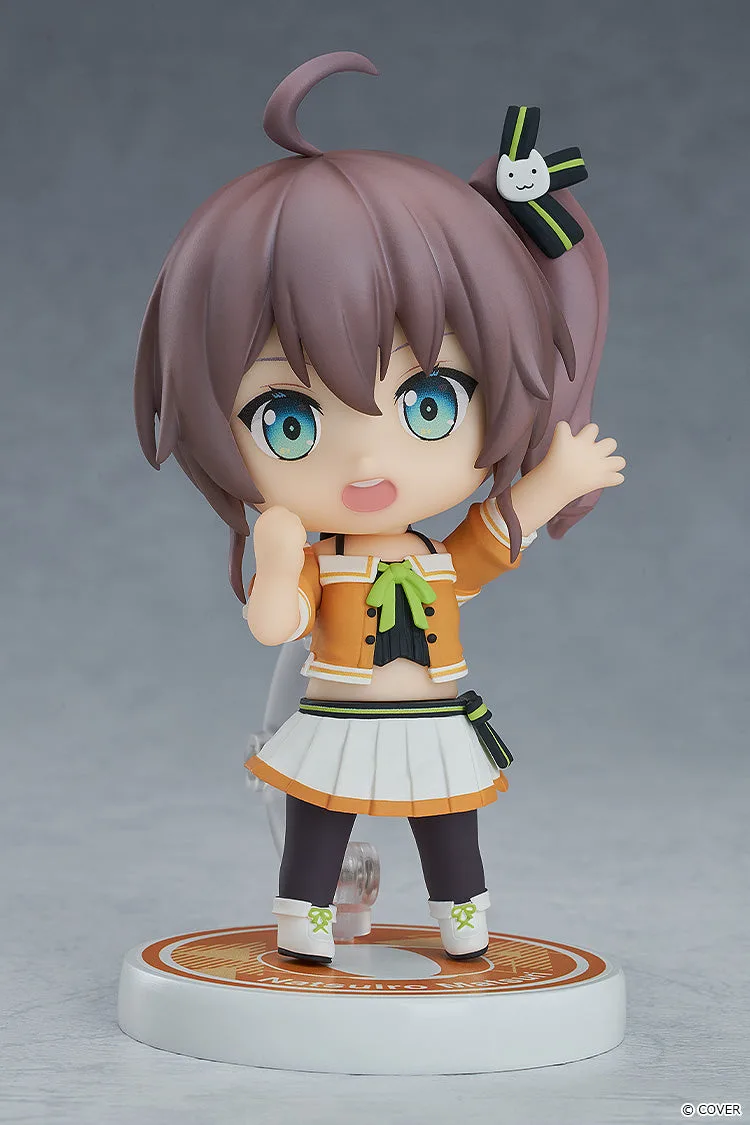
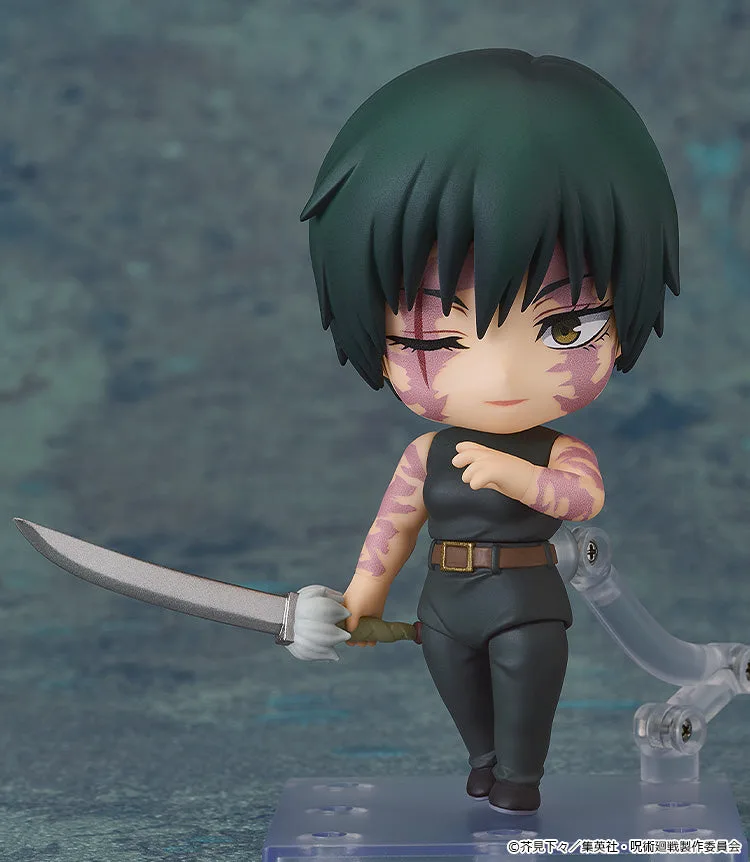
- Original Character - Nendoroid Doll Angel: Ciel (Rerelease): The Nendoroid Doll series uses the same heads as standard Nendoroids but alternate doll-like bodies that are highly articulated and can easily be dressed up into different outfits. Because the body is the variable, most fit problems are solved by reseating joints and dressing in the right order rather than by altering the garment.
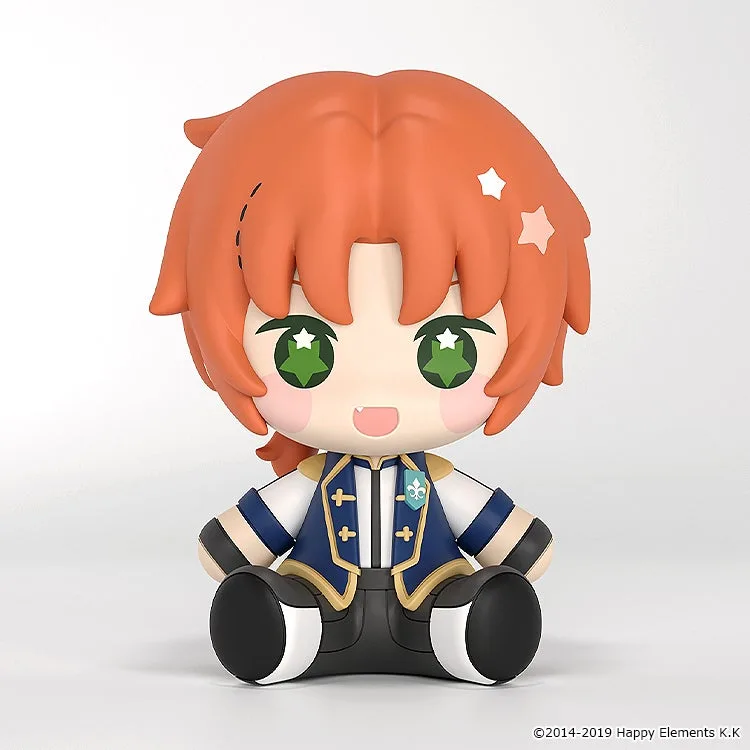
- Arknights: Endfield - Huggy Good Smile Endministrator (Male) / Endministrator (Female) Figure: Huggy Good Smile is a chibi figure series with a magnet on the back of the head and arms that move up and down. This line is not a dress-up body, so clothing designed for Nendoroid Doll articulation will not apply to it. Keep the two categories separate when you shop.