Quick answer
A nonstick pan usually loses its slick surface because of heat damage, abrasive cleaning, or polymerized oil buildup, not because the coating wore out from normal cooking. If food sticks only in patches, a gentle deep clean can restore performance. If the whole surface grabs, scratches are visible, or the coating flakes, the pan is done and should be replaced.
Symptom check: is it buildup or coating failure?
Before you blame the coating, look closely at the surface. A thin, brownish or mottled film that feels slightly tacky is usually polymerized oil, not exposed metal. That film can come from cooking spray, high-heat searing, or forgetting to wash the pan after a quick wipe. It fills in the microscopic texture of the nonstick surface and makes food grab.
True coating failure looks different: you will see silver metal showing through, flaking edges, or a network of deep scratches. If the nonstick layer is physically gone, no amount of cleaning or seasoning will bring it back. That is the point where you stop trying to fix it.
Likely cause 1: overheating the empty pan
Nonstick coatings are sensitive to heat, especially when the pan is empty. Preheating a dry nonstick pan on high can push the surface past its safe range in under two minutes. The coating does not always bubble or peel immediately; it can quietly lose its release properties, so eggs start sticking a few weeks later.
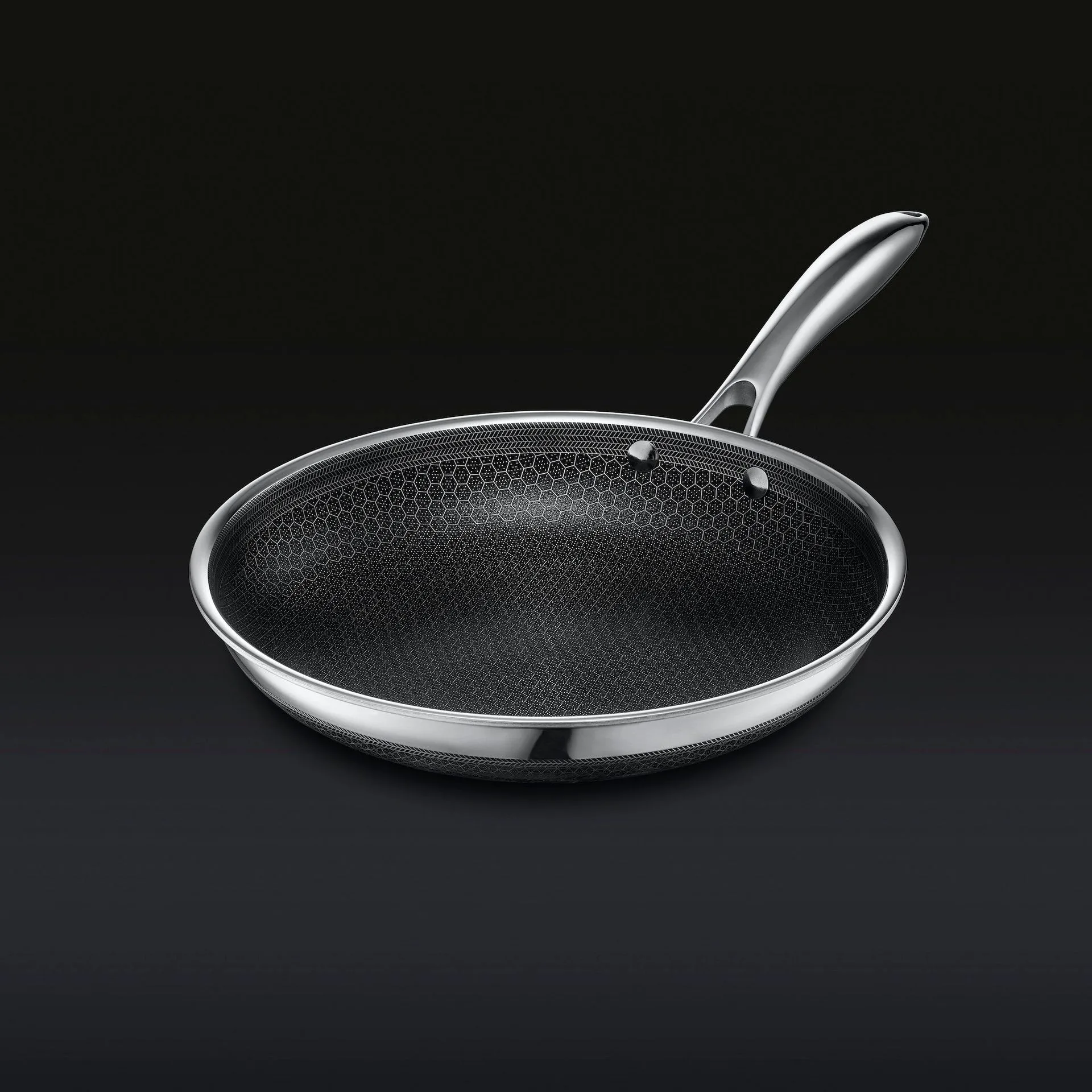
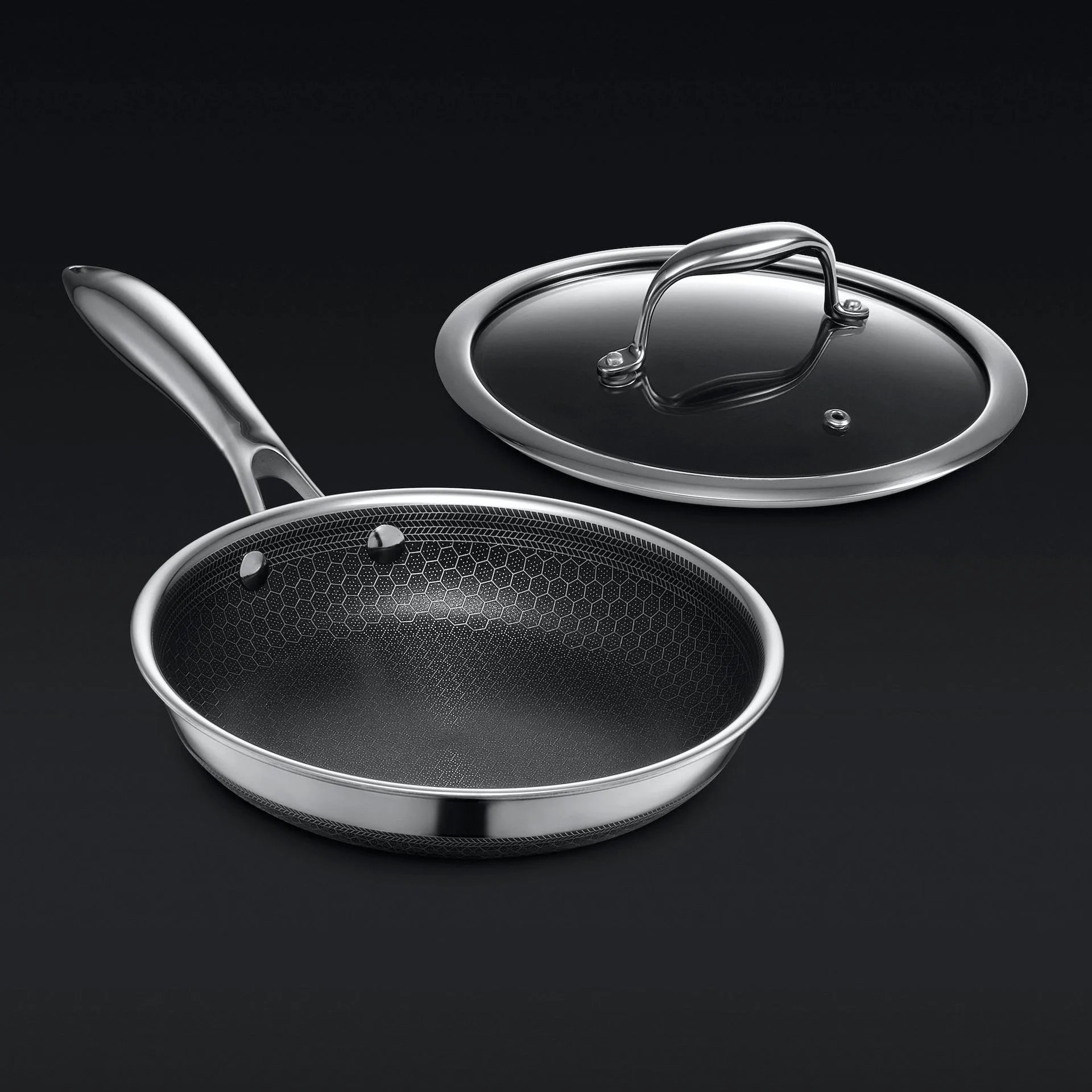
Heat damage is cumulative. A pan that survived one high-heat mistake may still degrade after several. If you regularly sear steaks or stir-fry on high, a traditional nonstick pan is the wrong tool. A hybrid pan with a stainless steel pattern, like the HexClad 12-inch pan, is designed for higher heat and metal utensil use, which removes the main cause of this problem.
Likely cause 2: cooking spray and oil buildup
Cooking spray feels light, but it contains lecithin and other ingredients that carbonize at relatively low temperatures. Over time, that residue bakes onto the nonstick surface and becomes sticky. This is one of the most common nonstick cookware care mistakes because the pan looks clean after a rinse, yet the slickness is already compromised.
The fix is a simmering bake-soda soak: fill the pan with water, add a few tablespoons of baking soda, and simmer for ten minutes. Let it cool, then wipe with a soft sponge. Avoid steel wool or abrasive powders, which scratch the coating and create anchor points for more sticking.
Likely cause 3: dishwasher and stacking damage
Most nonstick pans are dishwasher-safe in theory, but repeated dishwasher cycles expose the rim and coating to harsh detergents and high heat. The bigger risk is mechanical: stacking pans without protection scratches the surface. Even a small scratch interrupts the release layer, and food begins to stick along that line.
Wash nonstick pans by hand with warm soapy water and a soft sponge. If you must stack them, place a felt protector or paper towel between each pan. Store them hanging or in a single layer when possible.
How to revive a nonstick pan that still has its coating
If the surface is intact but sticky, a deep clean can restore most of the release. Start with the baking-soda simmer described above. Rinse, dry, then rub a teaspoon of neutral oil over the surface with a paper towel and heat the pan on low for one minute. Wipe out the excess. This light seasoning fills minor pores and improves release without building a thick film.
Do not use this method on a pan with visible scratches or flaking. Oil will not repair missing coating, and the pan will continue to stick. In that case, replacement is the safer choice because flaking coating can end up in food.
Prevention rules that actually matter
Use low to medium heat for nonstick cooking. Let the pan heat for a minute before adding oil or food. Never leave an empty nonstick pan on a hot burner. Skip cooking spray and instead measure a small amount of oil or butter. Wash by hand, avoid metal utensils, and never cut in the pan.
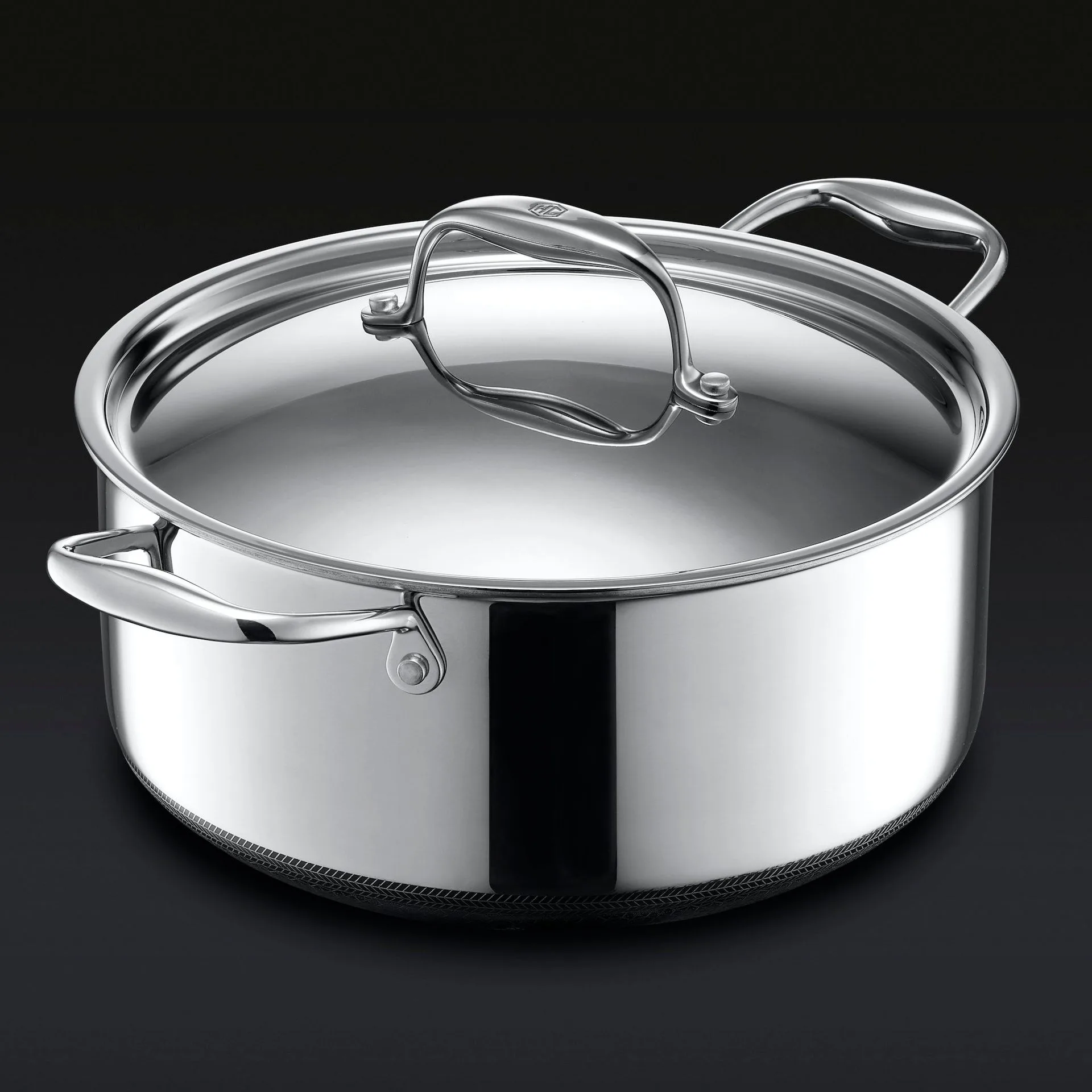
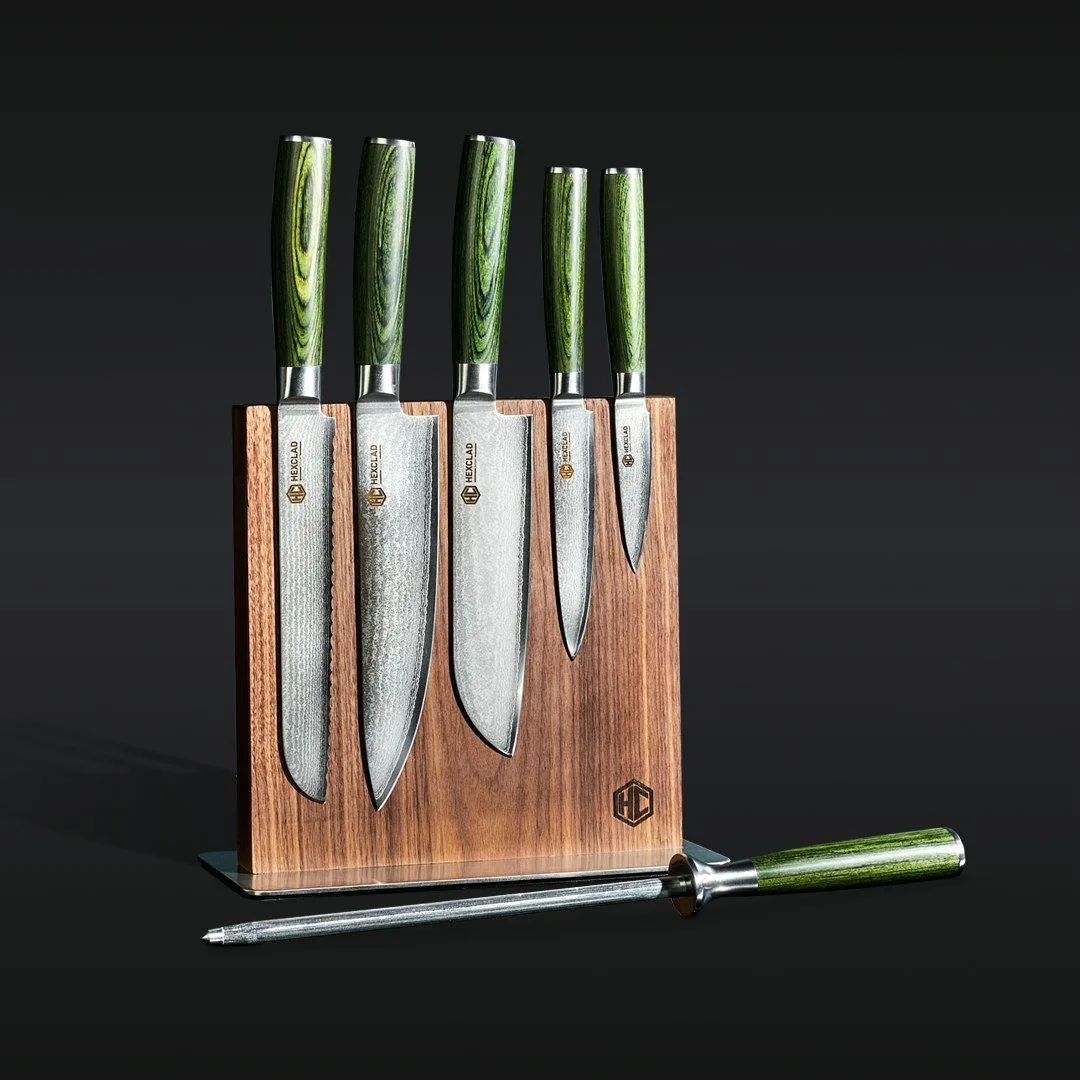
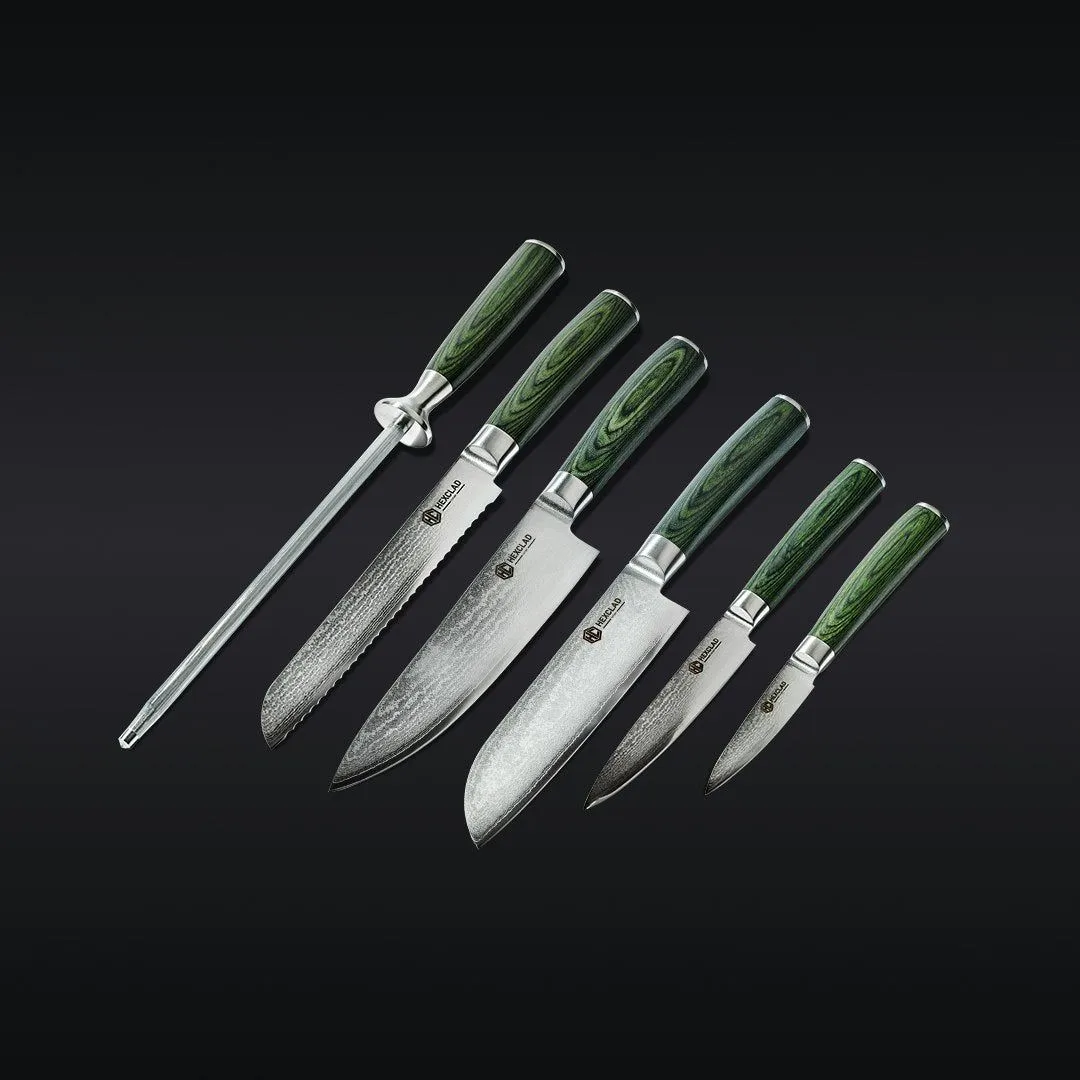
If your cooking style regularly involves high heat, metal tools, or hard searing, choose cookware built for it. The HexClad Hybrid Roasting Pan Set is oven-safe to 900°F, so it handles roasting and weeknight meals without the temperature limits that ruin traditional nonstick. For prep, a sharp knife like those in the Essential Damascus Steel Knife Set reduces the urge to hack at food in the pan, which is another hidden cause of scratches.
Diagnosis: what to do next
- Sticking in patches, surface intact: Polymerized oil or light residue is the likely cause. Simmer water with baking soda, wipe with a soft sponge, then apply a thin oil seasoning. If the pan releases food again, keep it and switch to low-medium heat and hand washing.
- Sticking everywhere, no visible scratches: The nonstick layer may have heat damage even if it looks smooth. Try the deep clean once. If eggs still stick, the coating is compromised. Stop cleaning and replace the pan. Further scrubbing will only remove more coating.
- Visible scratches, flaking, or exposed metal: The nonstick coating is physically failing. No seasoning or cleaning method can restore it. Replace the pan. Choose a hybrid or stainless option if you cook with high heat or metal utensils.
Cookware that avoids the nonstick failure cycle
- Hybrid Fry Pan, 12": The HexClad 12-inch pan is designed for cooking for a crowd, handling four salmon fillets with room for vegetables. A larger cooking surface means you can sear and roast without crowding, which reduces the need to crank the heat and damage a coating.
- Hybrid Roasting Pan Set, 4-pc: The Hybrid Roasting Pan Set is oven-safe to 900°F and includes smaller sizes for weeknight meals like chicken parm and roasted salmon. If your nonstick pan keeps failing because of oven or broiler use, this set removes that limitation entirely.
- Essential Damascus Steel Knife Set, 6-pc (Green): The Essential Damascus Steel Knife Set features 67 layers of Damascus steel and 12-degree blade sharpness. Sharp knives let you prep ingredients properly instead of cutting in a hot pan, which is a common source of nonstick scratches.