Quick Answer
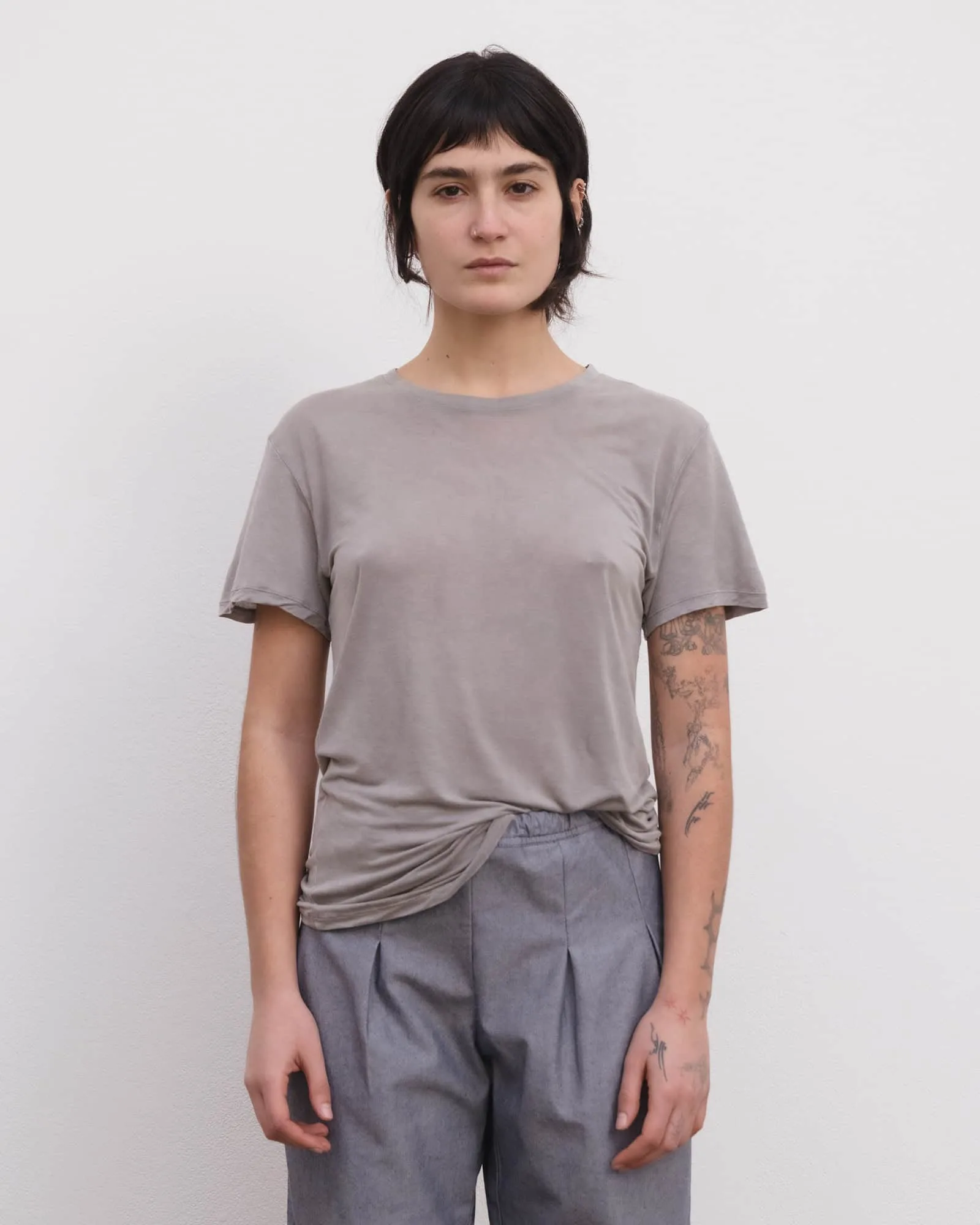
Organic cotton clothing offers tangible benefits: it feels softer against sensitive skin, tends to hold up well with proper care, and reduces the environmental load compared to conventional cotton. If you value comfort and sustainability, pieces like the Vein https://baserangepin.com/products/tee-shirt-lyocell-in-aural-2de637254eac0028cc53b211-1102408https://baserangepin.com/products/tee-shirt-aw26-in-leopard-50faf515690ba0babc295f4c-1102414Tee Shirt or Fold Sweatshirt are worth considering.
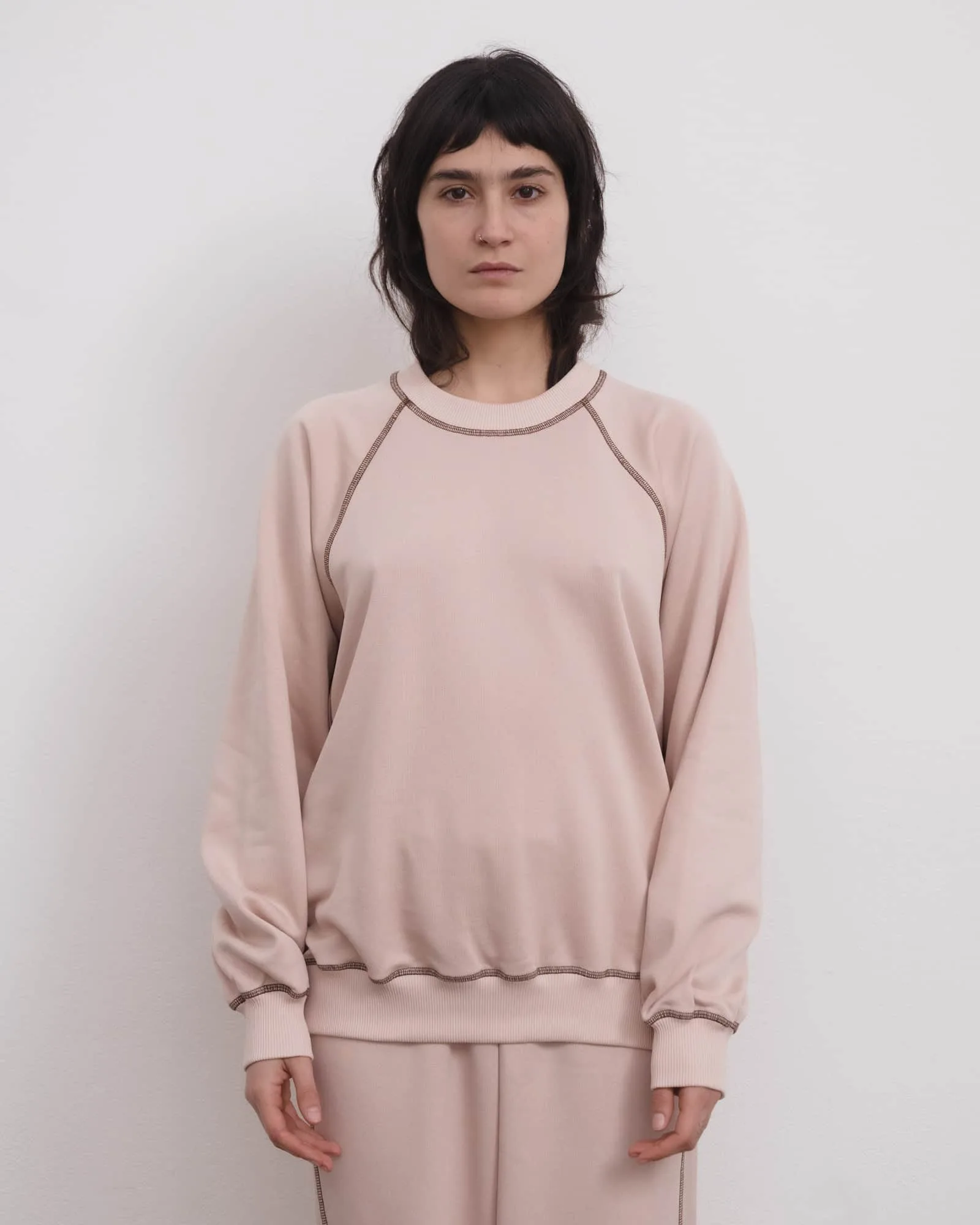
Fold Sweatshirt
When you pull on a cotton tee, you expect comfort. But not all cotton is created equal. Organic cotton is grown without synthetic pesticides or fertilizers, which can make a real difference to your skin and the planet. Yet, the term 'organic' often gets thrown around, leaving shoppers wondering if it's just a marketing label or a genuine upgrade.
In this guide, we'll break down what organic cotton actually means for you as a buyer—covering feel, durability, and environmental impact. We'll also point out what to check on a label and when organic might not be the best choice for your needs.
What Makes Organic Cotton Different?
Organic cotton starts with farming practices that avoid synthetic chemicals. Instead, farmers use natural methods like crop rotation and beneficial insects to manage pests. This not only keeps harmful substances out of the soil and water but also often results in softer, less processed fibers.
For clothing, the difference shows up in a few ways. Organic cotton tends to feel smoother against the skin, which is a plus if you have sensitivities. It also often has a more natural, unbleached appearance unless dyed. And because the fibers aren't weakened by harsh chemicals, garments can be more durable over time.
- Look for certifications like GOTS (Global Organic Textile Standard) to verify organic claims.
- Check the fiber origin and processing locations—transparent brands often list them.
Comfort and Skin Sensitivity: Real or Hype?
If you've ever felt itchy or irritated by a new shirt, the culprit might be residual chemicals from conventional cotton processing. Organic cotton, grown without those pesticides, is less likely to trigger reactions. For people with eczema or sensitive skin, switching to organic can be a practical move.
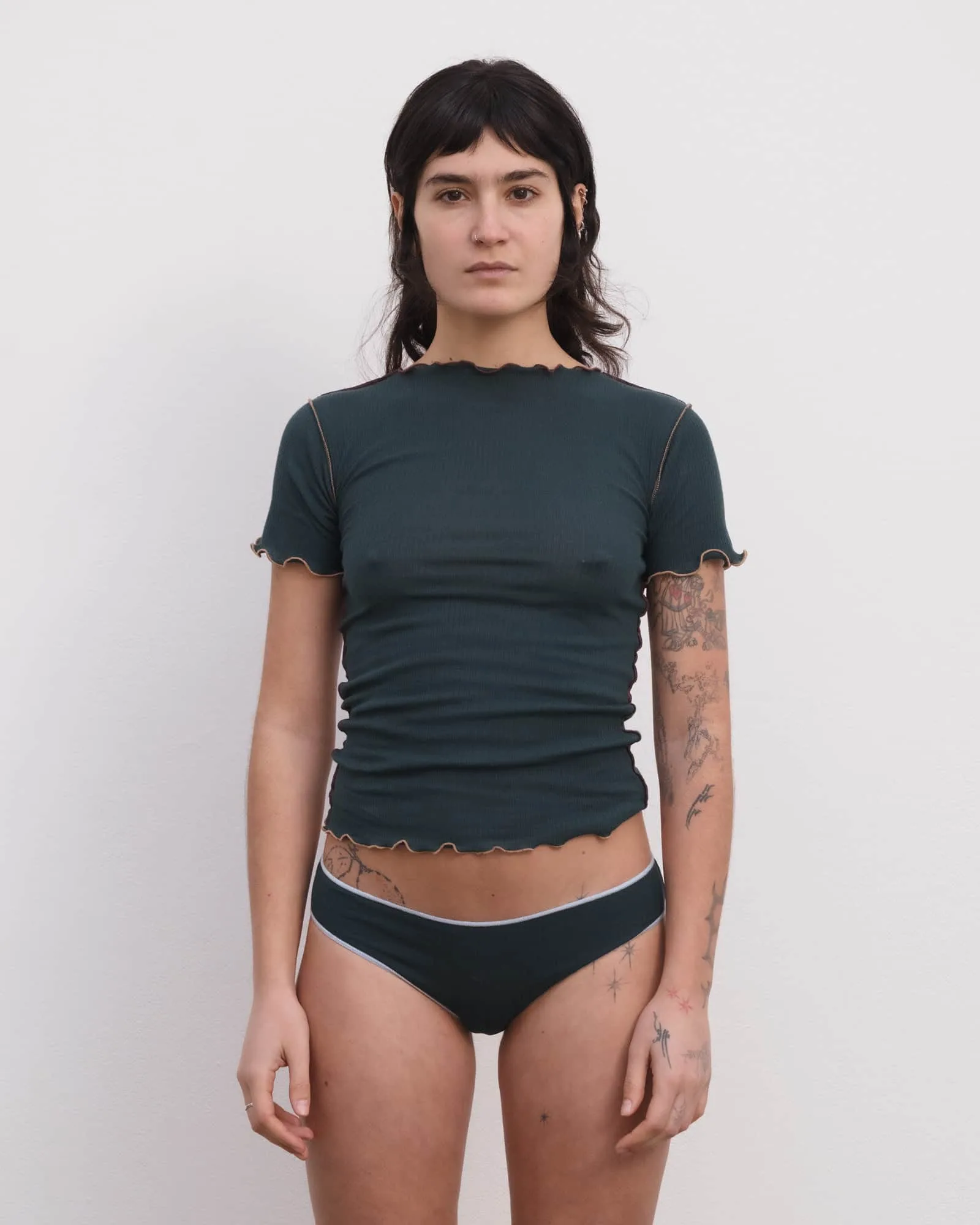
That said, comfort isn't guaranteed solely by the organic label. Weave, fit, and finishing also matter. A ribbed organic cotton tee, like the Vein Tee Shirt, has a stretchy, close fit that feels different from a looser poplin shirt. Always consider the garment's construction, not just the fiber.
- If you have sensitive skin, choose organic cotton with a smooth, tight knit for less friction.
- Ribbed fabrics can be more form-fitting; check the size chart if you prefer a relaxed fit.
Durability and Care: What to Expect
Organic cotton is often praised for lasting longer, but that depends on how you wash and dry it. High heat can shrink or weaken fibers, so using cool water and air drying helps maintain shape. The Vein Tee Shirt, for example, has a lettuce edge at the neckline and hems—a delicate finish that benefits from gentle care.
Also, note that some organic cotton items are blended with elastane for stretch, like the Cinder Turtleneck Tank (91% organic cotton, 9% elastane). This adds flexibility but may affect how the garment holds up over time. Always follow the care label to get the most wear.
- Wash organic cotton in cold water with similar colors to prevent fading.
- Avoid tumble drying; lay flat or hang to dry to preserve shape and elasticity.
Environmental Impact: A Clearer Conscience
Conventional cotton is one of the most pesticide-intensive crops. Choosing organic reduces that chemical load, supports healthier soil, and uses less water in many cases. For eco-conscious shoppers, that's a compelling reason to switch.
However, organic cotton isn't a perfect solution. It still requires land and water, and shipping from places like India or Portugal adds a carbon footprint. The most sustainable garment is the one you already own, so buy fewer, better pieces that you'll wear for years.
- Prioritize quality over quantity—invest in timeless styles that won't go out of fashion quickly.
- Check if the brand lists fiber origin and processing steps; transparency is a good sign.
Diagnosis: Is Organic Cotton Right for You?
- Symptom: You're looking for comfortable, everyday basics but feel unsure about the environmental impact of your clothing choices. If this resonates, organic cotton is a strong candidate.
- Likely Cause: Conventional cotton production often involves harsh chemicals and heavy water use, which can affect both skin comfort and the planet. Understanding this helps justify the often higher price of organic options.
- Corrective Action: Opt for organic cotton pieces from transparent brands, check fiber content and care instructions, and prioritize quality over quantity. Look for items like the Vein Tee Shirt or Cinder Turtleneck Tank that clearly state their organic composition and origin.
- Stop or Choose Another Option: If you're on a tight budget or need a specific technical fabric (like waterproof or heavy-duty performance wear), organic cotton may not be the best fit. In those cases, consider blends or alternative materials. Your choice should align with your priorities—comfort and sustainability vs. function and cost.
Organic Cotton Pieces to Consider
- Vein Tee Shirt: 100% Organic Cotton, Made in Portugal, fiber origin India, spun in India, knitted in Portugal, sewn in Portugal. This tee shows a fully traceable supply chain—important if you care about where your clothes come from. The ribbed knit and lettuce edge give a unique texture that feels soft and looks refined.
- Cinder Turtleneck Tank: 91% Organic Cotton 9% Elastane, Made in Portugal, fiber origin India/South Korea, spun in India/Türkiye, woven in Portugal, sewn in Portugal. The elastane adds stretch for a snug fit, making it a versatile layering piece. The organic cotton base keeps it breathable and gentle on skin, ideal for all-day wear.
Organic cotton clothing offers real benefits for your skin and the environment, but it's not a one-size-fits-all solution. By understanding what to look for and how to care for your garments, you can make choices that feel good and do good. Whether you start with a simple tee or a cozy sweatshirt, every organic cotton piece is a step toward more thoughtful consumption.