Quick answer
Roughness after washing almost always comes from detergent residue, mineral buildup from hard water, or overdrying—not from the organic cotton itself. Strip the sheets with a hot water and vinegar rinse, then wash future loads with a gentle, residue-free detergent and dry on low. If they still feel scratchy, the fabric may have been heat-damaged and replacing the set is the practical fix.
Symptom: Where the roughness shows up
Run your hand across the sheet. If it feels uniformly stiff and slightly waxy, the culprit is likely buildup. If it feels rough only in patches or along fold lines, the fabric may have been scorched in the dryer. If the roughness appeared gradually over several washes, mineral deposits from hard water are the likely cause. Noting the pattern helps you choose the right fix instead of guessing.
Cause 1: Detergent and fabric softener residue
Standard detergents often contain fillers, optical brighteners, and softeners that leave a coating on organic cotton. That coating traps particles and makes the fabric feel scratchy. Fabric softener is especially problematic—it coats fibers with a waxy film that repels water and stiffens over time. Switch to a plant-based, enzyme-free liquid detergent and skip softener entirely. Use no more than the recommended amount; more detergent does not mean cleaner sheets.
Cause 2: Hard water minerals
If your home has hard water, calcium and magnesium ions bind to cotton fibers and create a rough, crusty texture. You may also notice white scale on your washing machine drum. Adding half a cup of white vinegar to the rinse cycle helps dissolve those minerals. For severe hard water, install a whole-house softener or use a water conditioner ball in the wash. Test your water with a strip if you are unsure—it takes two minutes and saves months of frustration.
Cause 3: Overdrying and high heat
High heat damages cotton fibers permanently. Once the fiber structure is compromised, no amount of vinegar or gentle detergent will bring back the original softness. Always dry on low heat and remove sheets while they are still slightly damp. If you use a communal laundry room, set a timer. For organic percale, which is already crisp by design, overdrying turns crisp into rough. Line drying indoors or outdoors preserves the hand feel best.
Corrective action: A reset wash
To strip residue and minerals, wash the sheets on a hot cycle with one cup of white vinegar and no detergent. Run a second rinse cycle. Then wash again on warm with a gentle detergent and an extra rinse. Dry on low until barely damp, then hang or lay flat to finish. This reset works for most buildup-related roughness. If the sheets still feel scratchy after two reset attempts, the fabric is likely heat-damaged.
When to stop and choose another option
If roughness persists after a reset wash and you have confirmed you are not overdrying, the fiber itself has changed. That can happen with any cotton sheet, organic or not, after repeated high-heat exposure. At that point, replacing the set is the honest solution. For a fresh start, consider a percale weave that is designed to feel crisp and breathable from the first wash.
Diagnosis: Match your symptom to the fix
- Uniformly stiff and waxy: Detergent or fabric softener residue is coating the fibers. Strip with a hot vinegar wash, then switch to a residue-free detergent and stop using softener. If the waxy feel returns within two washes, your detergent is the problem—change it.
- Rough patches or scorch marks: Overdrying or high heat has damaged the cotton fibers. This is permanent. No wash additive can reverse it. Replace the set and dry future loads on low, removing while slightly damp.
- Gradual roughness over months: Hard water minerals are building up on the fabric. Add vinegar to every rinse cycle or install a water softener. If you see white scale in your washer drum, treat hard water as the primary cause.
- Roughness only after line drying: Line drying in stiff air or direct sun can make cotton feel boardy. Tumble on low for five minutes with a clean tennis ball to soften. This is temporary; the next wash will reset the feel.
Product facts to consider
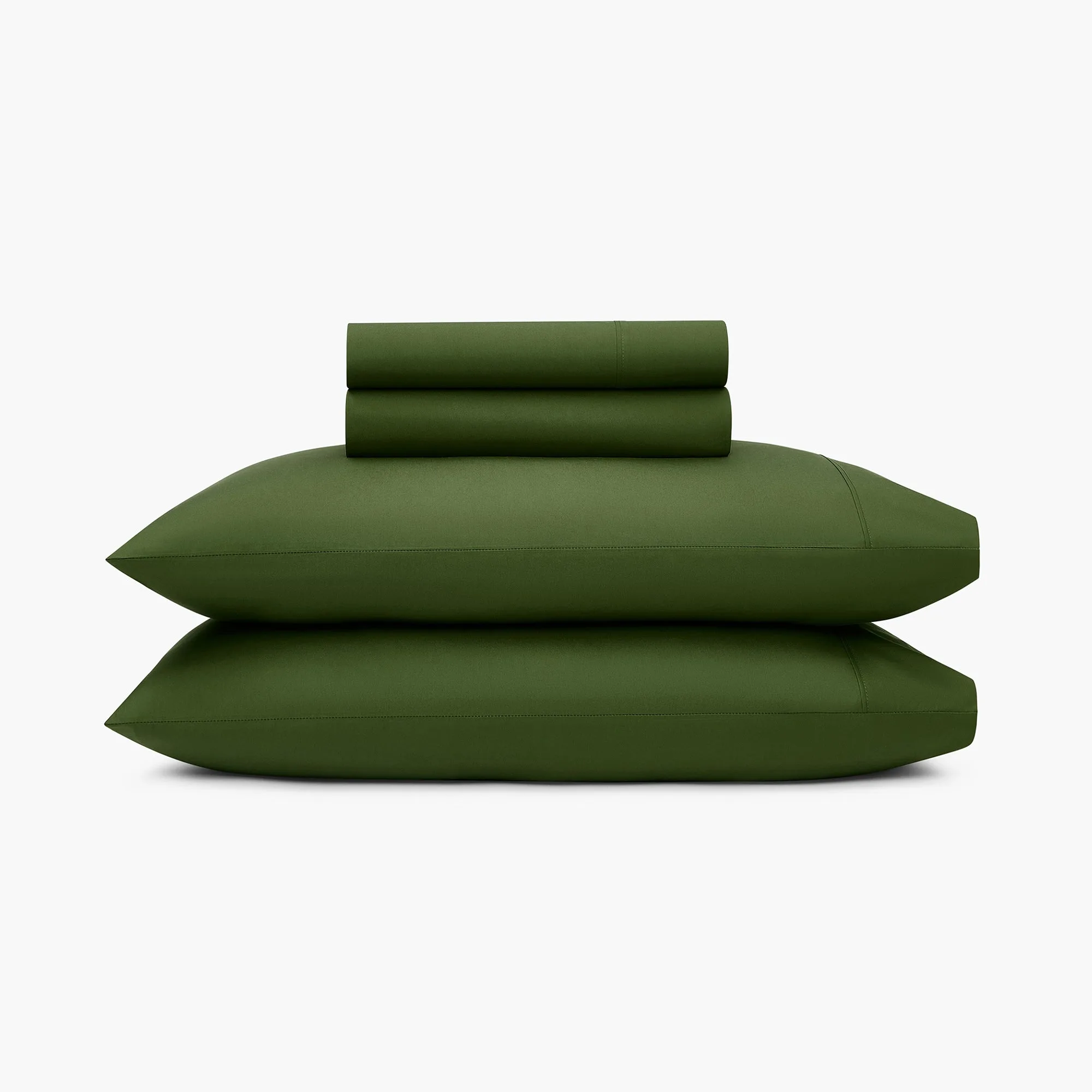
- Organic Percale Sheet Set - Forest: In our version of classic percale weave bedding, we’ve used an ideal thread count of 300—and GOTS certified organic cotton—to ensure it’s irresistibly smooth. This organic percale sheet set indulges you in hotel-like luxury, with a crisp and refreshing feel. Light and breathable for a cooler sleep experience, the set includes an elastic band to tailor the fitted sheet to a mattress. A 300 thread count percale is meant to feel crisp, not plush. If your current sheets feel rough after washing, this set offers a reliable baseline for what properly cared-for organic cotton should feel like.
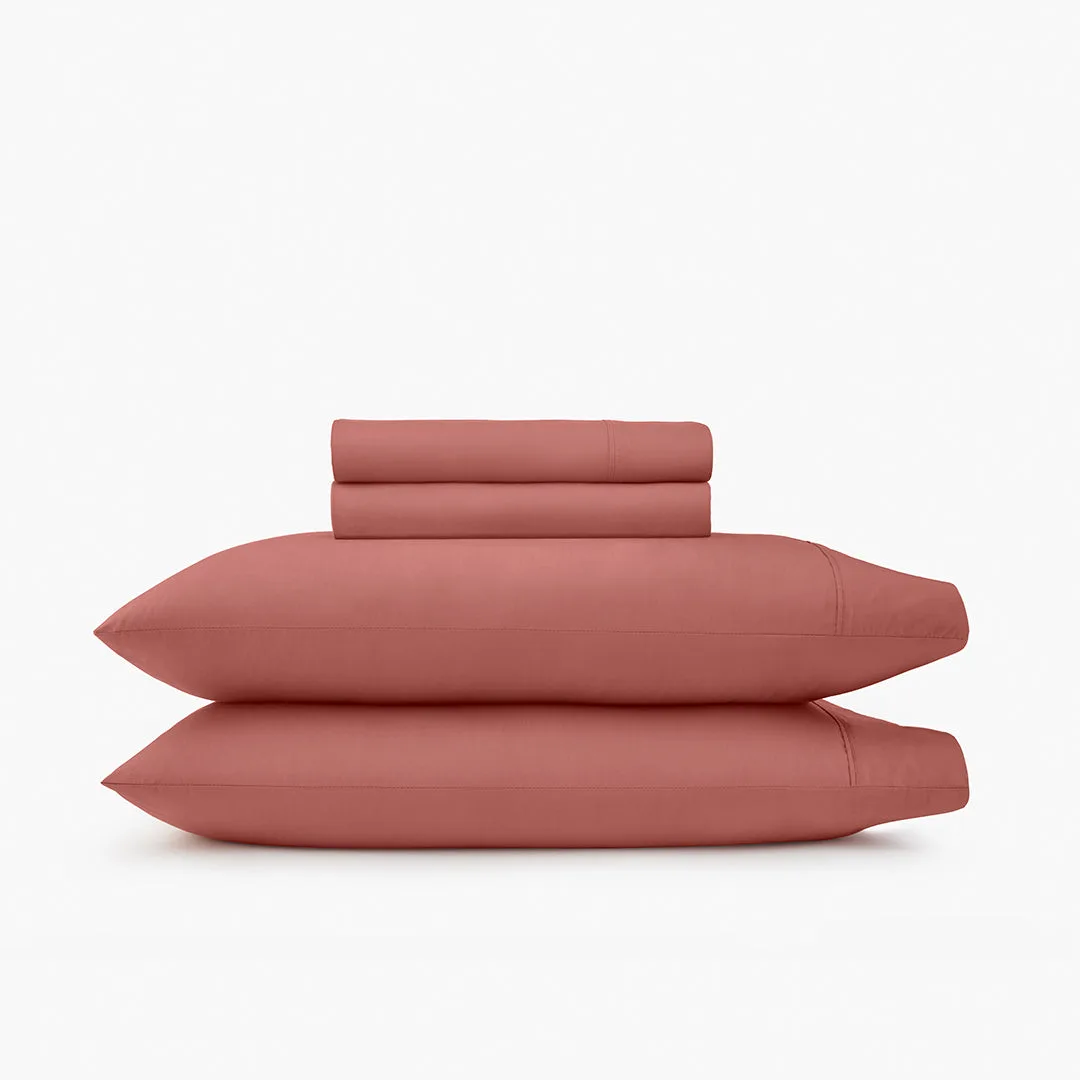
organic percale sheet set
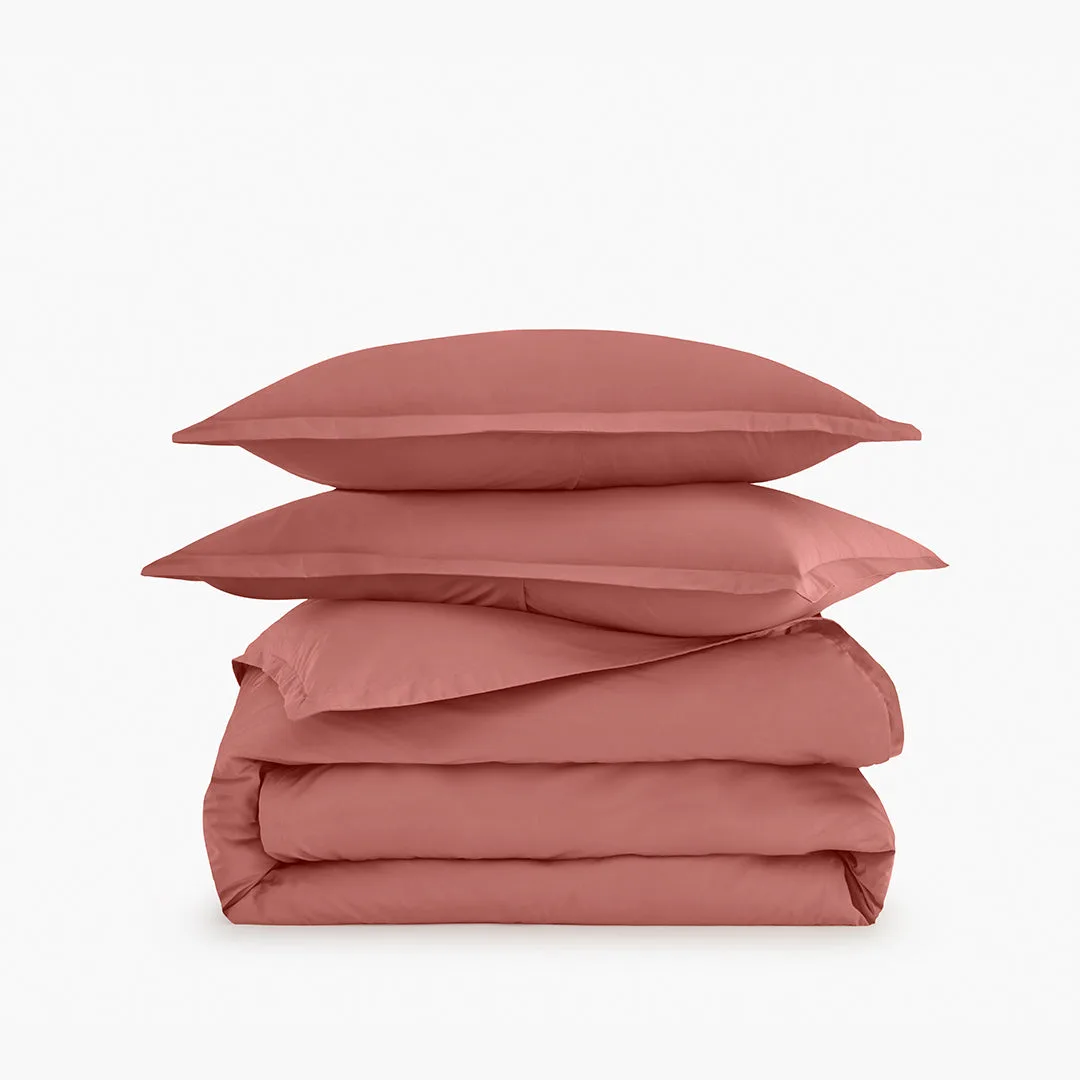
- Organic Percale Duvet Set: Crafted with GOTS certified organic cotton and an optimal 300 thread count, our Organic Percale Duvet Set offers a sustainable twist on a crisp, smooth classic. The duvet is light and breathable for a cool night of sleep and includes an easy button closure with inside corner ties for a secure fit. If you replace only the duvet cover but keep scratchy sheets, the mismatch in feel will be noticeable. This set pairs with the sheet set for consistent crispness.