Quick Answer
If your pelvic trainer isn't working, the most common causes are poor electrode contact, wrong probe placement, a weak or inconsistent routine, or a device that isn't suited to your goal. Before you replace anything, check gel use, probe position, and session consistency. If you've corrected all three for several weeks and still feel nothing, the device or programme may be the wrong fit.
Start With Contact: Why You Feel Nothing
Most 'not working' complaints trace back to the electrical signal not reaching the muscle. Electronic pelvic toners rely on a conductive path between the probe and your tissue. Dry skin, insufficient gel, or a probe that isn't seated correctly will block that path. You may see the device power on and the programme run, but the muscle never contracts.
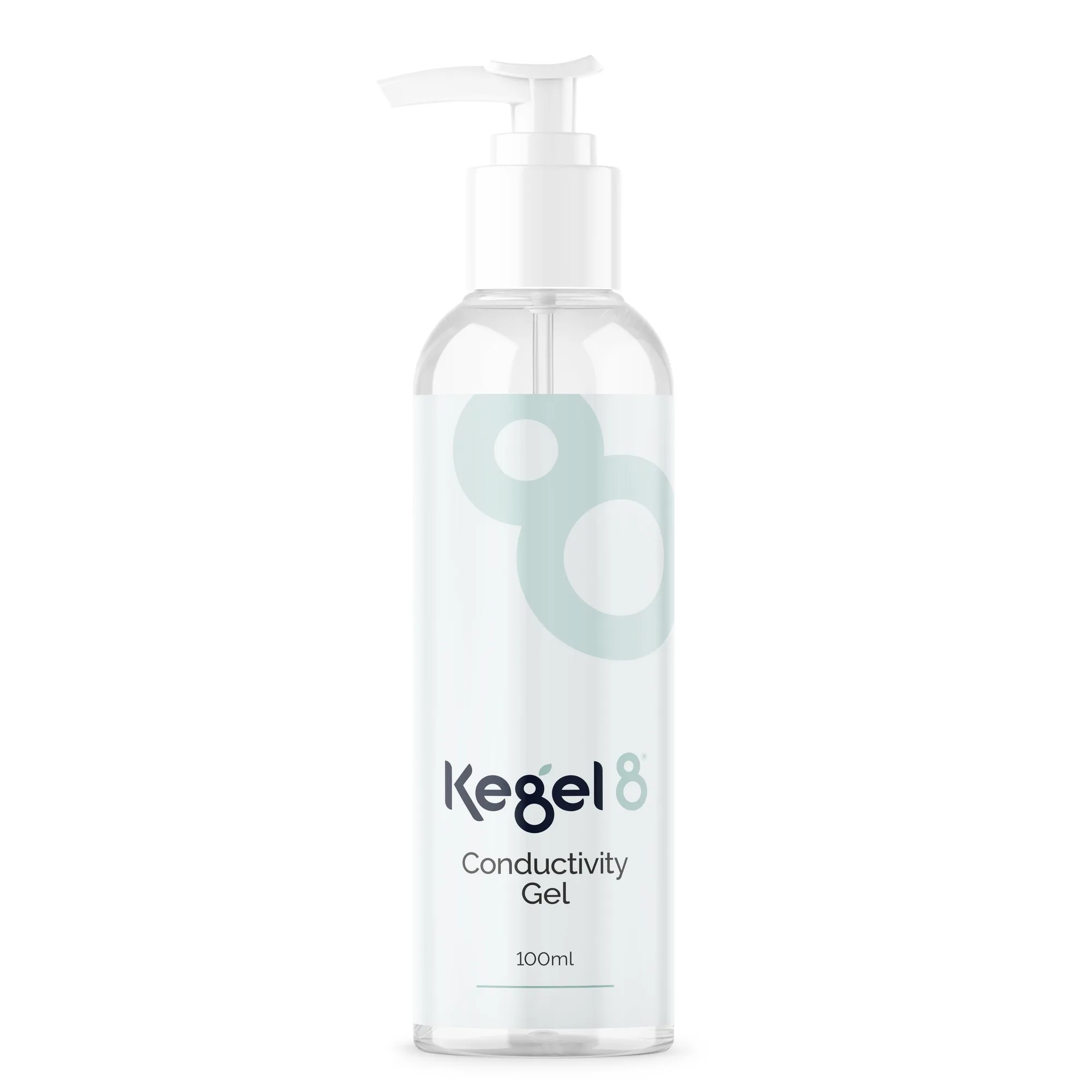
The fix is simple: apply a dedicated conductive gel generously to the probe and the surrounding area before every session. Do not substitute lotion, oil, or saliva—they don't carry current reliably and can damage probe materials. If you're using a Kegel8 device, the KE Gel is formulated for this exact purpose.
Check Electrode and Probe Placement
Even with good gel, placement errors stop stimulation. For a vaginal or anal probe, the metal contacts need to sit against the pelvic floor muscle wall, not too shallow and not angled away. Insertion depth varies by body shape, so follow the device manual rather than guessing. For external electrodes, place them on clean, dry skin over the muscle belly—not over bone or scar tissue.
A useful test: start a low programme and slowly adjust the probe angle until you feel a gentle tapping or tingling. That's your signal that contact is correct. If you feel sharp pain or nothing at all, stop and reposition.
Are You Actually Progressing the Programme?
Muscles adapt. If you've used the same low intensity for months, the contraction may no longer challenge the muscle enough to build strength. Many users mistake this plateau for device failure. Increase intensity gradually—only to a level that feels strong but not painful—and move to a more advanced programme when the current one feels easy.
Consistency matters more than intensity. Three to five short sessions per week beats one long session. If you're skipping days, the muscle never gets the repeated stimulus it needs to change.
When the Device Itself May Be the Problem
If you've confirmed good gel, correct placement, and a progressive routine for several weeks with no sensation, the issue may be the device. Some budget trainers have limited programme ranges or weaker output that doesn't suit deeper pelvic floor muscles. Others are designed for a specific goal—like pre-pregnancy strengthening—and won't address menopause-related changes.
This is the point to stop troubleshooting and consider whether a different device or a clinician's assessment is the better next step.
Diagnosis: Match Your Symptom to the Fix
- No sensation at all during sessions: Likely cause: poor electrical contact. Check gel quantity, probe seating, and skin dryness. Apply conductive gel generously and reposition until you feel a gentle tapping. If sensation returns, continue with consistent sessions. If not, try a different probe size or contact the device manufacturer.
- You feel stimulation but see no strength change after 6–8 weeks: Likely cause: programme plateau or inconsistent routine. Increase intensity gradually and ensure you're completing at least 3 sessions per week. If you've progressed intensity and stayed consistent for another 4 weeks with no change, consider a device with more advanced programmes or a clinician assessment.
- Stimulation feels sharp, painful, or causes burning: Likely cause: wrong placement, too-high intensity, or skin sensitivity. Stop immediately, reduce intensity, and reposition the probe. Never push through pain. If pain persists at low settings with correct placement, stop using the device and speak to a pelvic health professional.
- You've tried all fixes and still see no results: Likely cause: the device may not match your needs, or there may be an underlying issue better assessed in person. This is the point to stop troubleshooting alone. Book an assessment with a pelvic floor physiotherapist or your doctor before buying another device.
Products That Address Common Causes
- Kegel8 KE Gel – Conductivity Gel for EMS Devices 100ml: Kegel8 KE Gel is a specialist conductive gel developed by pelvic health experts for use with electronic pelvic toners. If poor contact is your problem, this gel is the most direct fix—it's formulated to carry current reliably, unlike lotions or oils.
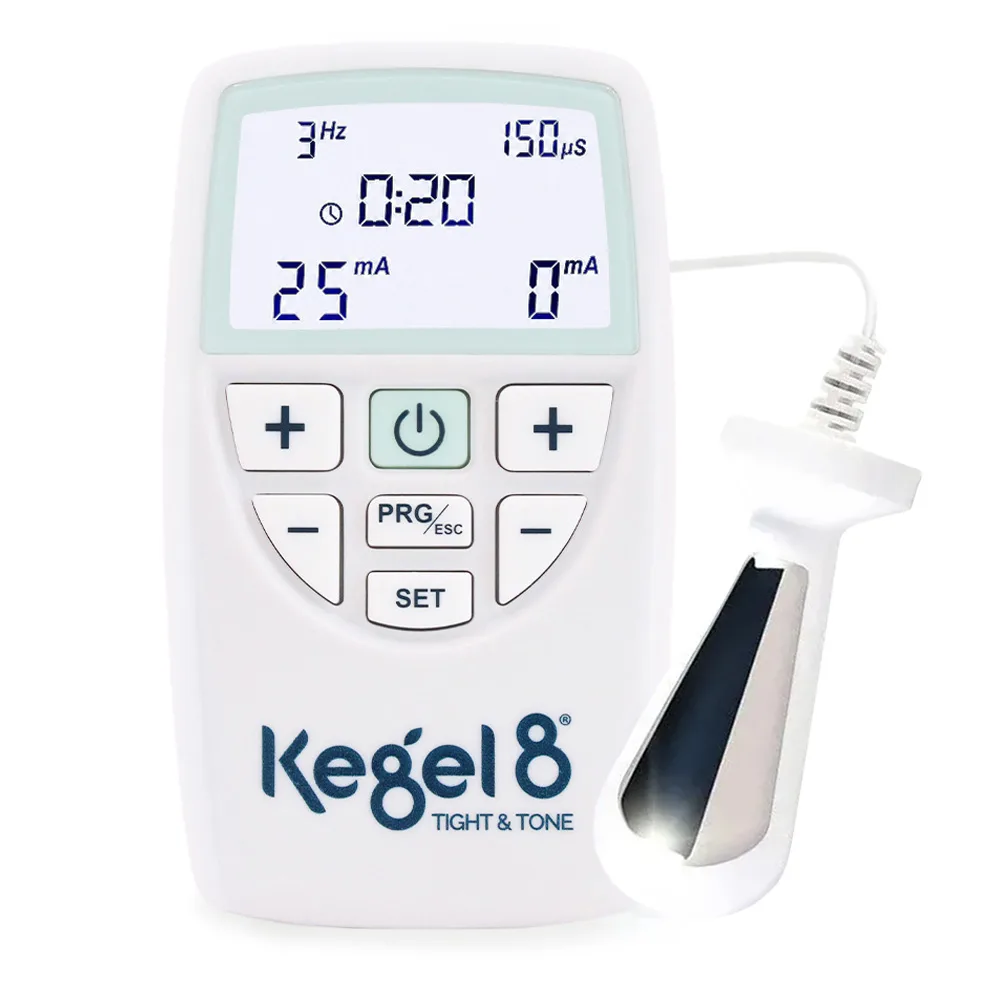
- Kegel8 Tight & Tone Electronic Pelvic Toner: Kegel8 Tight & Tone Electronic Pelvic Toner is designed to strengthen and tone the pelvic floor, with programmes for tightening, light bladder leaks, and pre-pregnancy strengthening. If your current trainer lacks progressive programmes or feels too weak, this device offers structured options that match different goals.
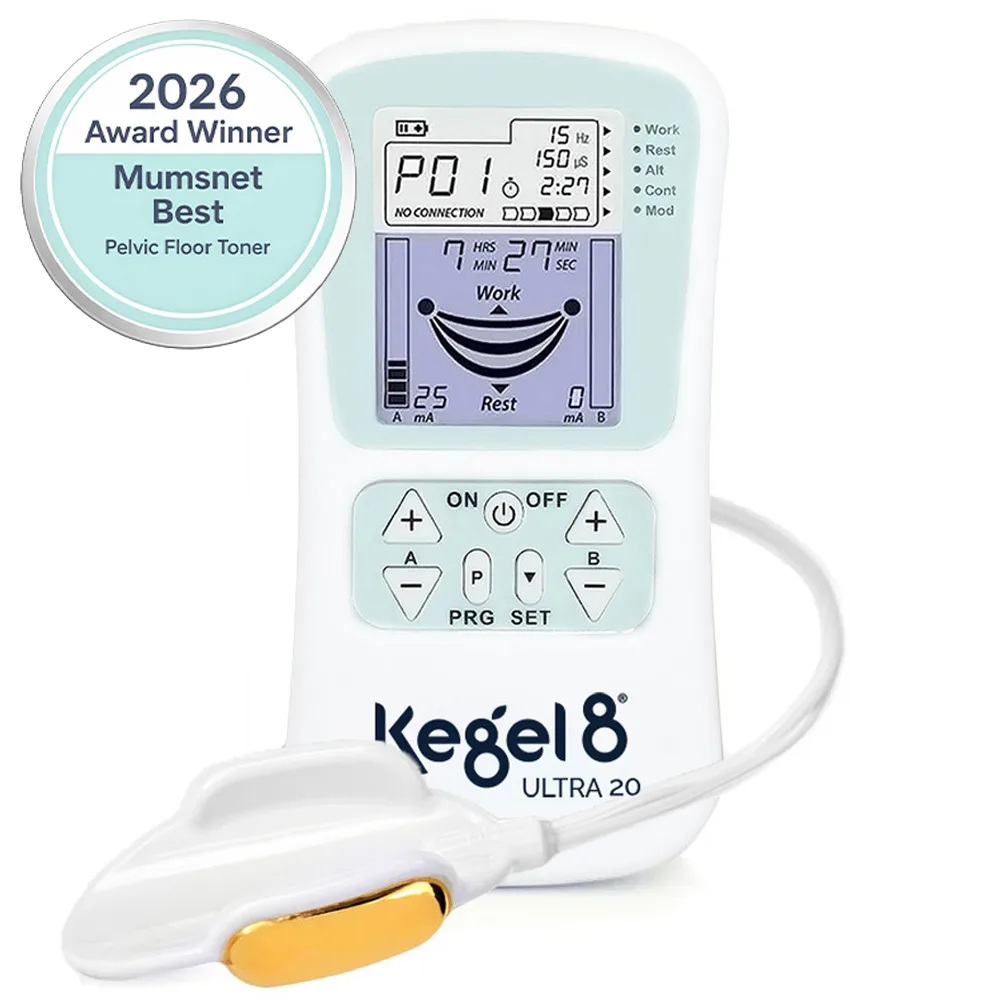
- Kegel8 Ultra 20 V2 Electronic Pelvic Toner: Kegel8 Ultra 20 V2 Electronic Pelvic Toner offers clinically proven programmes from pelvic floor specialist Amanda Savage and is created by a women-owned, women-led team. If you're dealing with menopause-related pelvic floor changes and want a plan rather than guesswork, this device provides guided programmes to rebuild strength from any starting point.