Quick Answer
Your perfume smells different on skin vs clothes because skin's warmth, oils, and pH interact with fragrance molecules, while fabric holds scent without those chemical reactions. For closer, more intimate scent, apply to skin; for longer-lasting, less volatile wear, spray on fabric—just be mindful of staining and the fact that fabric won't develop the fragrance's full evolution.
Why Skin Changes the Scent
Your skin is not a neutral surface. Body heat, natural oils, and pH levels interact with perfume's top, heart, and base notes, accelerating evaporation and altering how the scent unfolds. This is why the same fragrance can smell different on you than on a friend—and why it may seem to 'disappear' quickly if your skin is very dry or oily.
For a more predictable, personal scent bubble, apply perfume to pulse points like wrists, neck, or behind the ears. The warmth helps project the fragrance, but if you have dry skin, the scent may fade faster. Moisturizing your skin beforehand can help anchor the fragrance and slow evaporation.
How Fabric Holds Scent Differently
Clothes, especially natural fibers like cotton or wool, absorb fragrance molecules into their fibers, releasing them slowly over time. This means a scent on fabric can last much longer than on skin—sometimes even days—but it won't evolve the same way. The top notes may be muted, and you'll get more of the base notes, creating a softer, less dynamic trail.
Fabric also lacks the warmth and chemistry of skin, so the scent won't project as strongly. If you want a lingering, subtle scent that stays close, spraying on a scarf or sweater is a great option. Just be cautious: some perfumes, especially those with dark oils or high concentrations, can stain delicate fabrics. Always test on an inconspicuous area first.
Practical Tips for Both Wear Styles
For a balanced approach, layer your fragrance: apply to skin for the full experience and add a light mist to your clothing for longevity. This gives you the best of both—vibrant projection and a lasting base.
If you're heading to a formal event or want a consistent scent throughout the day, prioritize fabric application. If you prefer a fragrance that evolves and feels personal, stick to skin. And remember, over-spraying on clothes can lead to olfactory fatigue, where you stop noticing the scent even though it's still there.
Diagnosis: Is It Skin, Fabric, or Something Else?
- Symptom: Scent fades quickly on skin: Your skin may be dry or your fragrance may be too light for your body chemistry. Try moisturizing before application or switch to a more concentrated formula.
- Symptom: Scent lasts too long on clothes: Fabric absorbs and holds fragrance, sometimes for days, which can become overwhelming or clash with other scents. Spray less on fabric, or reserve fabric application for scarves and outerwear that you can air out.
- Symptom: Scent smells different on fabric than on skin: This is normal—fabric lacks skin's warmth and chemistry, so the fragrance won't evolve the same way. If you love the full development, wear on skin. If you prefer a steady, soft scent, fabric is fine—just don't expect the same experience.
Products That Help You Wear Your Fragrance Your Way
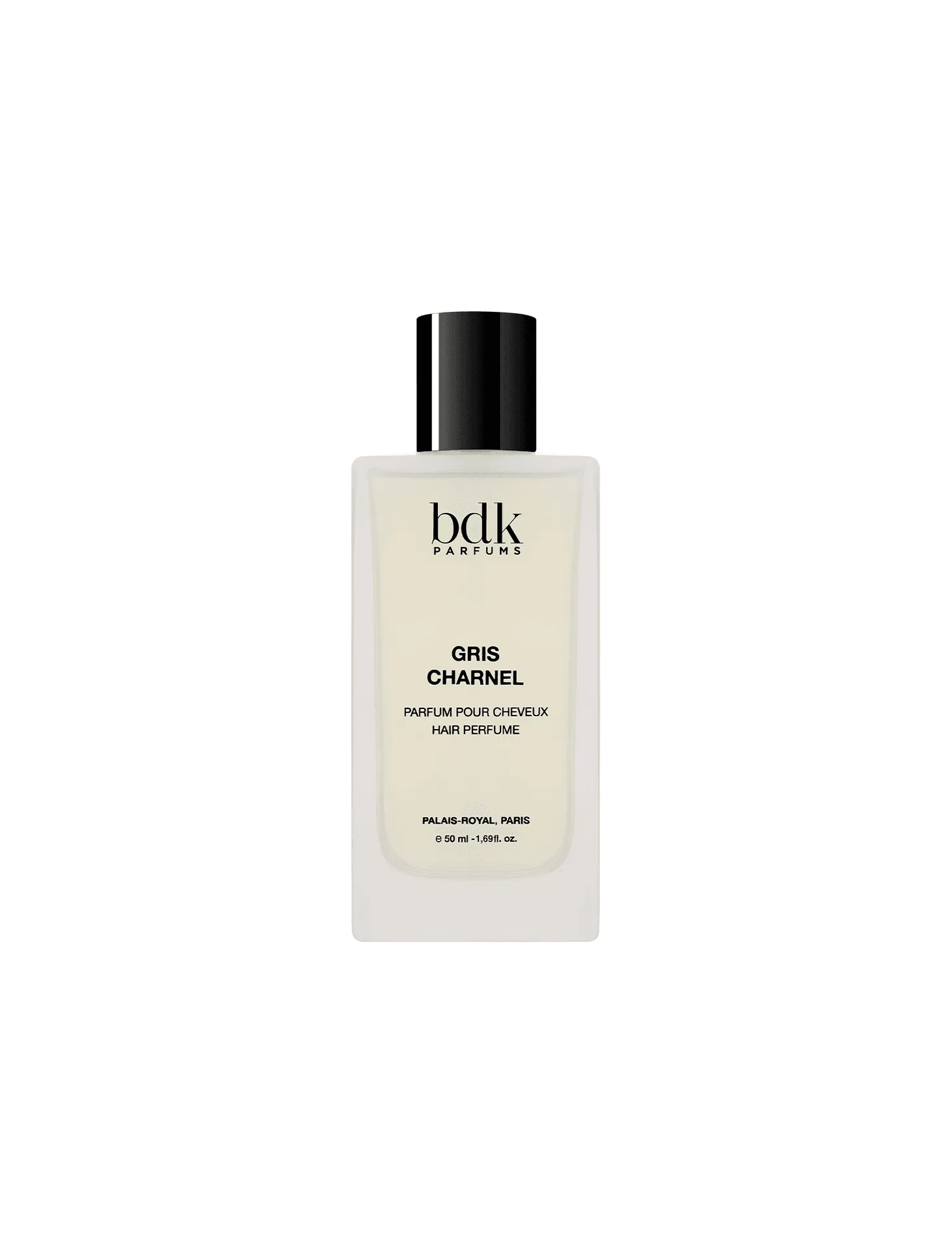
- Gris Charnel - Lait Hydratant: Gris Charnel - Lait Hydratant is a 300ML body moisturizer designed to complement the Gris Charnel fragrance line, offering a way to extend the sensory experience. Moisturized skin holds fragrance longer and helps it project more evenly, so pairing your perfume with this lotion can reduce the 'disappearing' problem on dry skin.
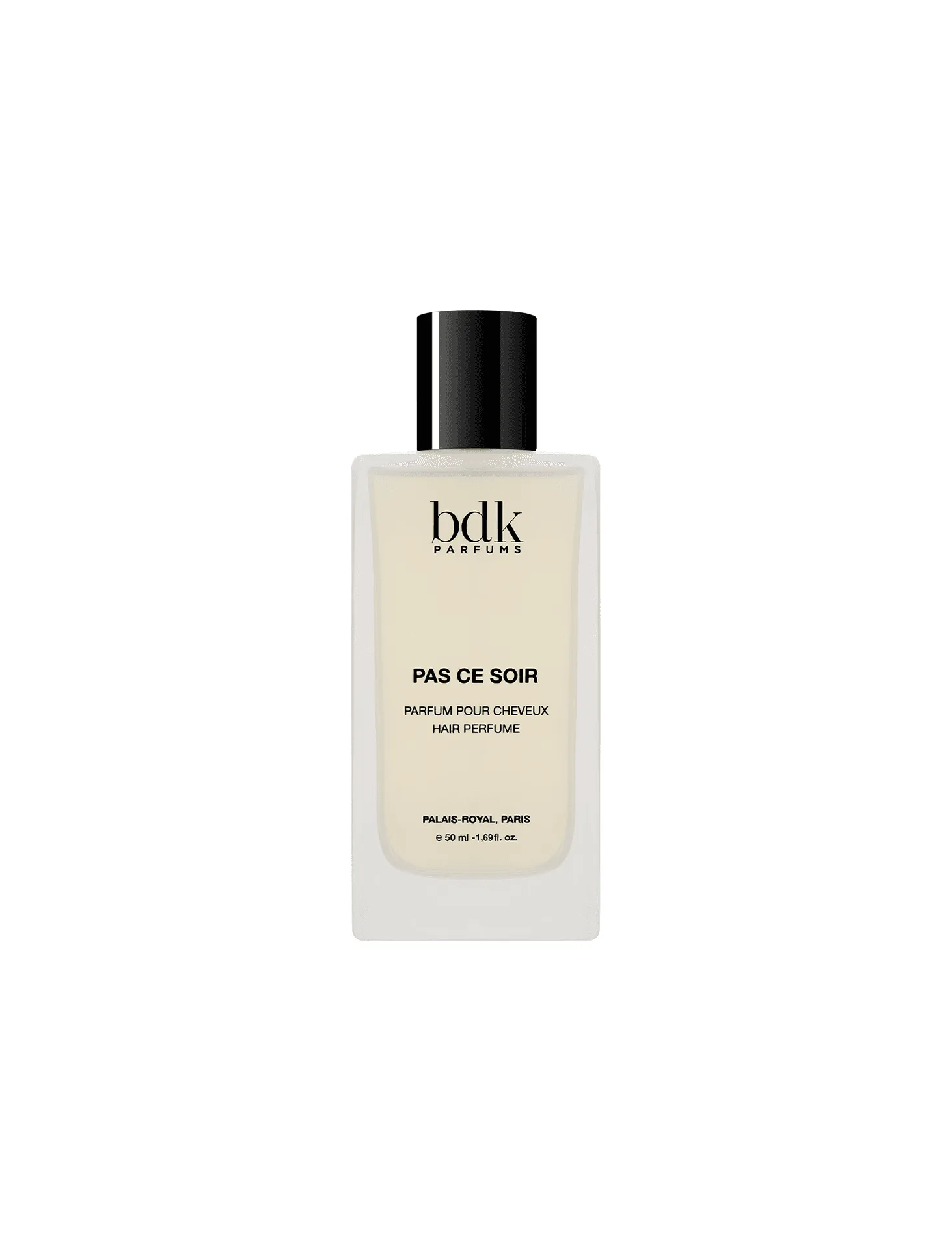
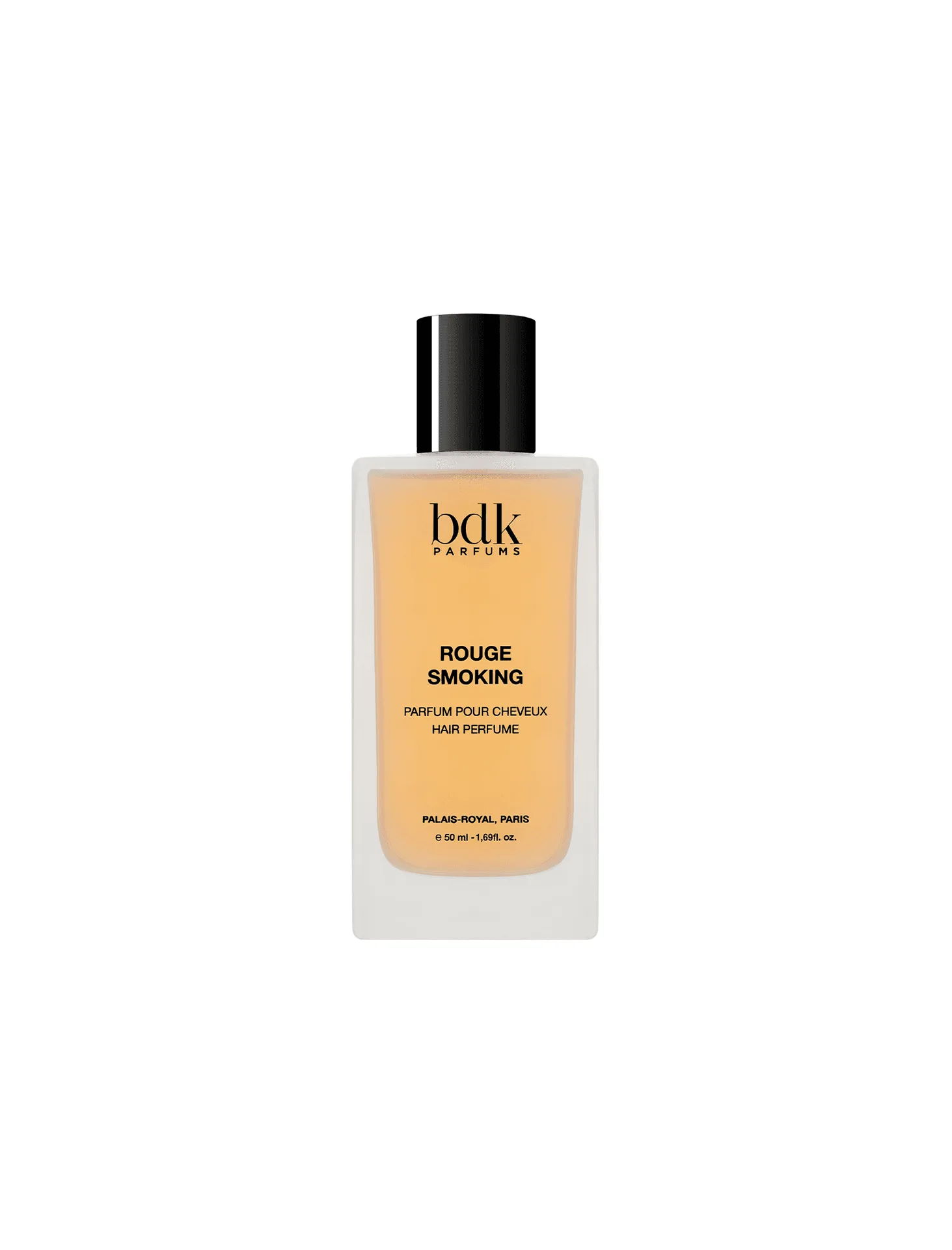
- Rouge Smoking - Parfum pour Cheveux: Rouge Smoking - Parfum pour Cheveux is a 50ml hair perfume from BDK Parfums, part of the Rouge Smoking collection, ideal for adding a refined scent to your hair. Hair is a great middle ground between skin and fabric—it holds scent longer than skin but still benefits from body heat. A dedicated hair perfume is formulated to be safe for hair and gives a subtle, elegant trail.