Quick answer
Plastic snaps come loose when the prong is not fully crushed into the socket, when the fabric is too thick or too thin for the snap size, or when the socket has been deformed by heat or force. Check the installation first, then the fabric, then the snap itself. If the snap is cracked or the fabric is torn, replace the snap and reinforce the area.
Diagnose the loose snap before you replace it
A snap that pulls apart under normal wear is usually telling you something specific. Look at the back of the snap: if the prong is still standing tall or bent to one side, the installation failed, not the snap. If the prong is flat but the snap still pops open, the fabric is likely too thick or too slick for that snap size. If the snap looks crushed or white around the edges, it has been deformed and will not hold again.
Before you remove anything, test the snap by closing it and pulling gently. If it releases with light tension, the socket is worn. If it holds until you tug hard, the snap may be fine and the problem is the fabric shifting or the garment pulling.
Fix the installation: prong and pliers
Most loose plastic snaps are installed with the wrong tool or uneven pressure. Dritz plastic snaps are applied with Dritz plastic snap pliers #14051. Using a generic plier or a hammer can crush one side of the prong and leave the other side loose. Set the snap back on the pliers, align the prong with the socket, and squeeze firmly until the prong curls evenly into the socket. You should feel a distinct stop, not a soft crush.
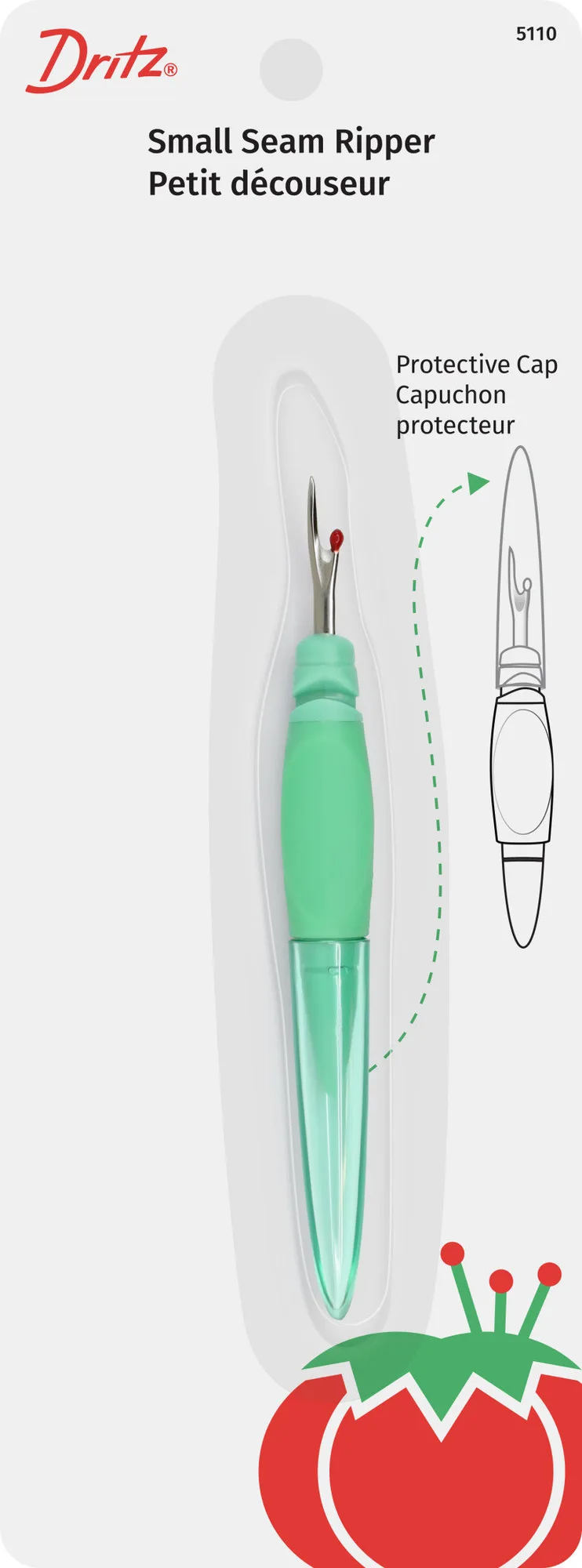
If the prong is already bent, do not try to straighten it. A bent prong will never grip evenly. Remove the snap with a https://prymamerica.com/products/dritznotseamripg-566a7bfbd0dff8b9402472aa-1316001seam ripper and start with a fresh snap.
Fix the fabric: thickness and reinforcement
Plastic snaps need a stable, medium-weight fabric to hold. On thin or stretchy fabric, the snap can pull through the weave. On thick fabric, the prong may not be long enough to reach the socket. If your fabric is thin, fuse a small square of interfacing behind the snap area before installing. If your fabric is thick, look for a longer-prong snap or choose a different closure.
For garments that get heavy use, such as baby clothes or bag flaps, add a small square of stabilizer behind each snap half. This spreads the pulling force and keeps the snap from tearing the fabric.
When to replace the snap instead of fixing it
If the socket is cracked, the prong is missing, or the snap has been through a hot dryer and warped, replace it. Plastic snaps are not repairable once deformed. Remove both halves with a seam ripper, check the fabric for tears, and install a new snap. If the fabric is torn, patch or reinforce the area before adding the new snap.
If you are replacing a snap on a garment you wear often, consider switching to a metal snap or a different closure. Plastic snaps are a good choice for lightweight fabrics and nickel-sensitive wearers, but they have a lower pull strength than metal.
Snap diagnosis guide
- Prong is still standing or bent to one side: The snap was not fully crushed during installation. Re-set it with the correct pliers, or remove and replace the snap if the prong is already bent. Stop here if the prong is bent. A bent prong will not hold.
- Prong is flat but the snap pops open under light pull: The socket is worn or the fabric is too thin. Add interfacing behind the snap or replace the snap with a new one. If the fabric is torn, reinforce before installing a new snap.
- Snap looks crushed, white, or cracked: The plastic has been deformed by heat or too much force. It will not hold again. Remove it and install a fresh snap. Choose a metal snap or a different closure if the area gets heavy use.
Product facts
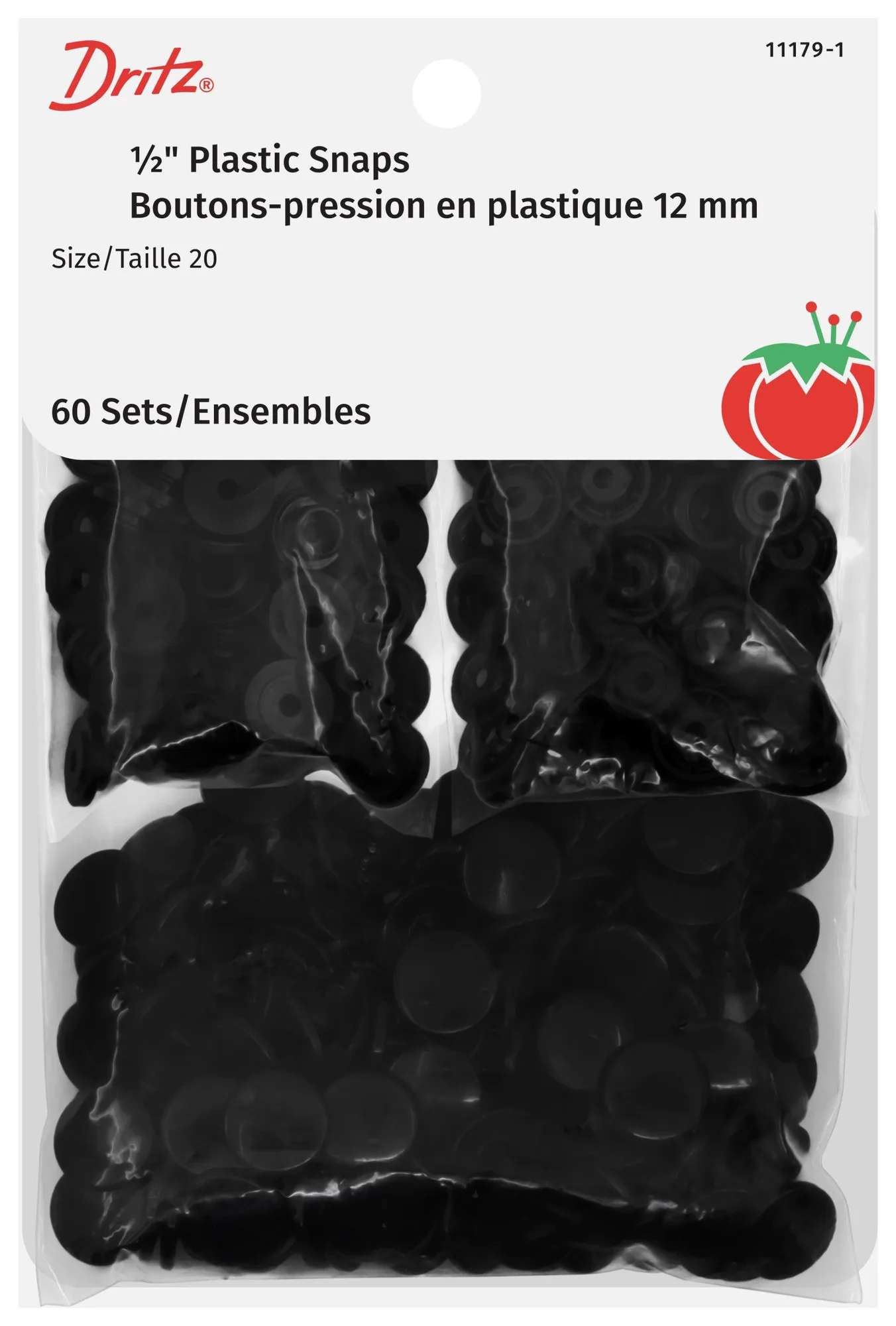
- 1/2" Plastic Snaps, Black, 60 Sets: Dritz 1/2" plastic snap fasteners are suitable for a wide range of home décor, apparel, accessory, sewing and craft projects. They are an alternative fastener for those with sensitivity to nickel. Apply with Dritz plastic snap pliers #14051. Machine wash and dry, or dry clean. CPSIA compliant. These snaps are a good choice when you need a nickel-free closure and want to machine wash the finished item. The 1/2" size works on medium-weight fabrics like cotton, flannel, and quilted layers.