Quick Answer
If your playing cards clump, the cause is almost always moisture in the paper stock or a dirty finish, not a manufacturing defect. First, stop shuffling and let the deck dry in a cool, low-humidity room for 24 to 48 hours. If the cards still stick together after drying, a light application of fanning powder can restore glide, but only on a deck you plan to keep using casually. If the edges are already soft, warped, or visibly worn, no powder will bring the deck back, and replacing it is the honest fix.
Symptom Check: Is It Clumping or Something Else?
Clumping feels like the cards are magnetized in small groups, usually three to eight cards at a time, and they resist fanning or spreading evenly. This is different from a deck that simply feels stiff when new. New-deck stiffness eases with shuffling; clumping gets worse the longer you handle the deck in humid conditions. Test by trying a simple ribbon spread on a clean, dry surface. If the cards separate in chunks rather than a smooth arc, you are dealing with clumping.
The Usual Cause: Humidity and Paper Stock
Playing cards are paper, and paper absorbs moisture from the air. When humidity rises above roughly 60 percent, the edges of the cards swell slightly and the coating becomes tacky. That is why playing card humidity problems show up most in summer, in basements, and after a deck sits in a car or near a window. The fix is environmental, not chemical: move the deck to a room with steady, lower humidity, and give it time to equalize. Do not put cards in a refrigerator or freezer. Condensation will make the problem worse.
The Other Cause: Oils, Dirt, and Broken-In Finish
Hand oils, food residue, and dust all transfer to card surfaces during normal use. Over time, that buildup creates a sticky film that mimics humidity clumping. If your deck clumps only after a long session, and the cards feel slightly slick or grimy rather than damp, the finish is contaminated rather than swollen. In that case, a careful cleaning with a soft, dry microfiber cloth can help, but aggressive rubbing will strip the factory finish and leave the cards worse off.
Corrective Action: Drying, Powder, or Replacement
Start with the least invasive step. Remove the cards from the box, spread them face down on a clean towel in a cool, dry room, and leave them for a full day. If the clumping fades, return them to the box and store them with a silica gel packet. If the clumping persists, apply a very small amount of playing card fanning powder to a cloth and draw each card through it once. Powder is a temporary fix, not a restoration. It adds slip, but it also attracts dust over time, so use it sparingly and only on a deck you are actively practicing with.
When to Stop and Choose a Different Deck
Stop trying to revive clumpy playing cards when the edges feel soft, the corners are frayed, or the deck has visible warping that does not relax after drying. Those are signs that the paper fibers have already absorbed too much moisture or been handled past recovery. At that point, powder and drying will not bring back a clean snap. If the deck has sentimental or collectible value, retire it to storage rather than keep handling it. Otherwise, a fresh deck is the practical answer, and choosing one with a known finish gives you a better baseline.
Clump Diagnosis: Cause, Fix, and Stop Point
- Damp edges and a tacky feel: The deck was exposed to high humidity or a temperature swing. Spread the cards in a cool, dry room for 24 to 48 hours and store with a silica packet. If the clumping fades after drying, the deck is fine. If it returns within a day, your storage spot is the problem.
- Slick or grimy surfaces after handling: Hand oils and dust have built up on the finish. Wipe each card gently with a dry microfiber cloth, then apply a trace of fanning powder only if needed. Stop if the cards start to feel dry or rough. That means you are stripping the finish, not cleaning it.
- Soft edges, frayed corners, or permanent warp: The paper fibers have absorbed too much moisture or the deck has been handled past recovery. Drying and powder will not restore the snap. Retire the deck to storage if it is collectible, or replace it with a fresh deck if you need it for play or practice.
Decks That Handle Humidity Well
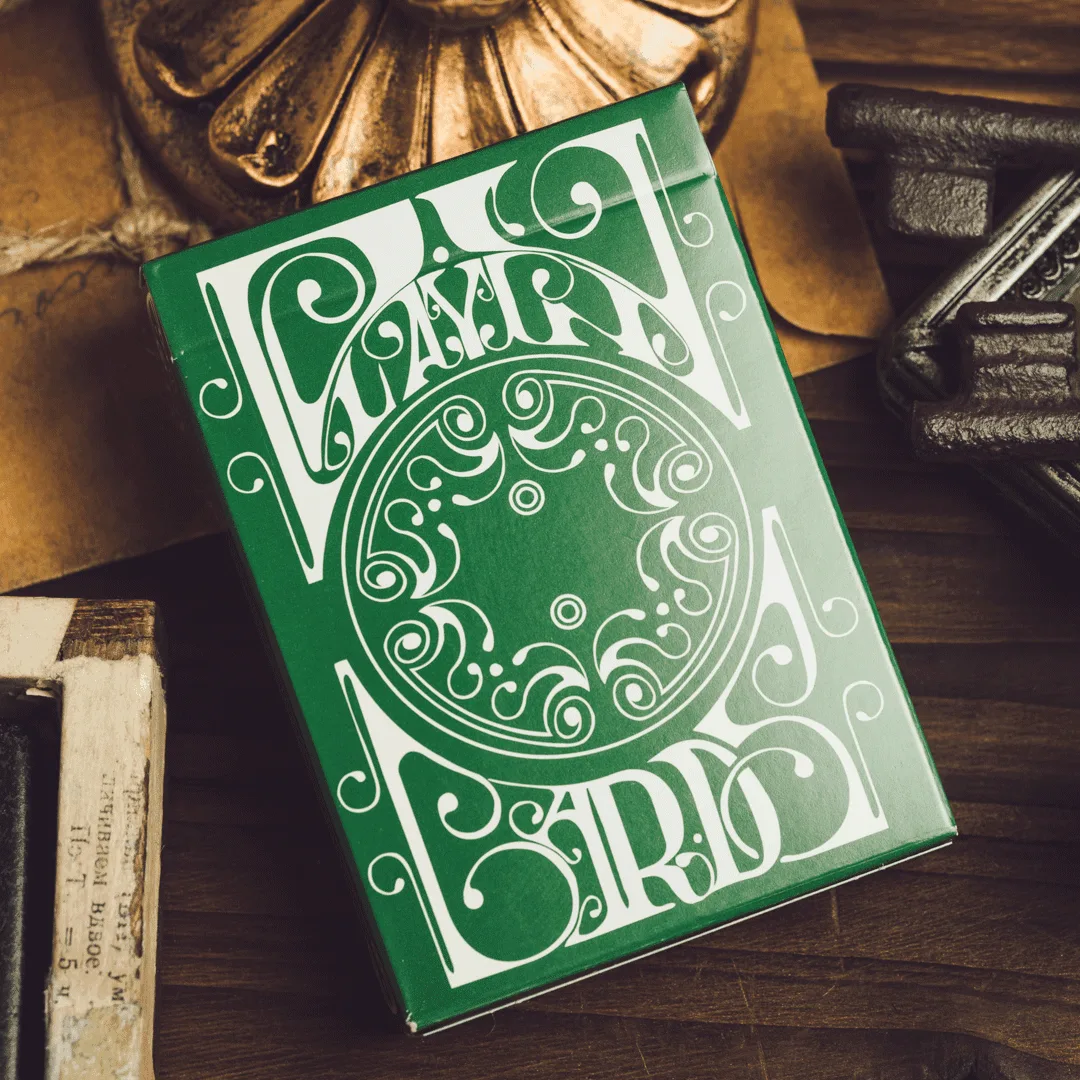
- Smoke & Mirrors v9, Gold Edition: Smoke & Mirrors v9, Gold Edition is printed by the United States Playing Card Company on a proprietary stock, and this edition is back in print for the first time in nearly 10 years. A recent, sealed deck from a known printer gives you a reliable baseline for handling and finish, which makes it easier to tell whether your old deck is clumping from humidity or simply worn out.
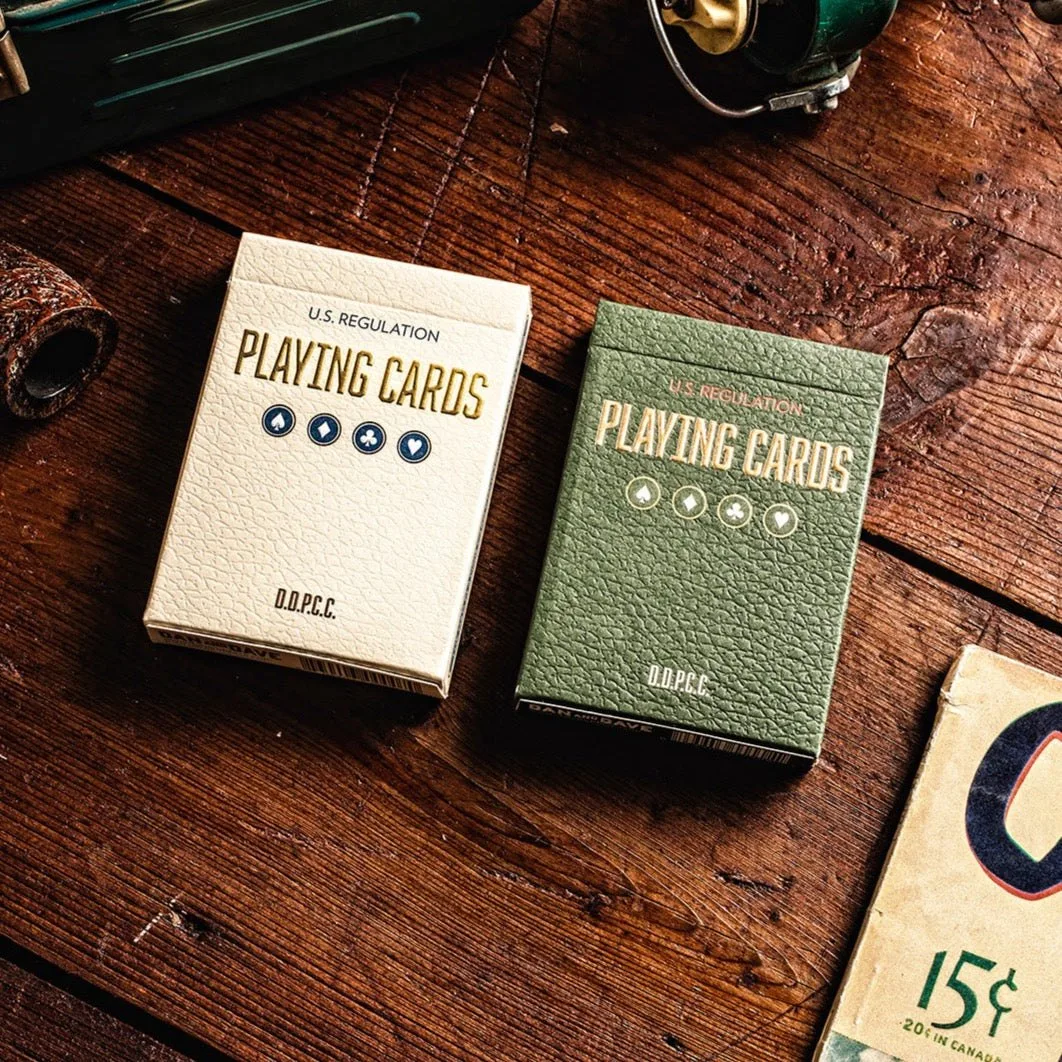
- Arrco U.S Reg. Playing Cards: Arrco U.S Reg. Playing Cards were printed by the U.S. Playing Card Company in 2006 at the historic Cincinnati, Ohio factory, and feature a uniquely smooth-yet-snappy finish distinct to the Cincinnati era. If you want a deck with a specific handling character that is no longer produced, keeping it dry and out of humid rooms matters more than fixing a clump after it happens.