Quick answer
Resin statues are expensive because they are made from resin, PU, and sometimes polystone in small batches, with studio sculpting and hand-finishing that mass-produced PVC figures avoid. That means higher material and labor costs per piece, limited production runs, and pre-order windows that can stretch delivery timelines. If you want a display piece with more detail and weight, resin justifies the price; if you want cheap, durable, and widely available, PVC is the better fit.
Myth: Resin statues are just overpriced PVC
Resin statues and PVC figures are not the same product with a different label. Resin, PU, and polystone are cast in small batches, often with transparent effect parts added for energy or elemental details. PVC figures are injection-molded in large factory runs, which spreads tooling costs across thousands of units. That single difference explains a large part of the price gap before you even look at sculpting or painting.
Myth: The studio name is the only reason prices vary
Studio reputation matters, but it is not the only cost driver. A studio working with resin, PU, and transparent effects has to manage mold wear, casting failures, and hand assembly. Those steps do not scale the way PVC production does. When you see a higher price from one studio over another, compare the materials, the number of pieces in the set, and the estimated shipping window. A time-limited release with a later shipping date often reflects a smaller production run and more manual finishing.
Myth: A low pre-order price means the final statue will be cheap
A low pre-order price is a deposit or early-bird price, not the full cost of the finished piece. Resin statue production is time-limited and shipping dates are estimates, so the final delivered cost includes the balance payment plus shipping and any import fees. If a listing shows a shipping date many months out, that gap is part of the production reality, not a sign that the statue is cheap to make. Budget for the full amount, not just the pre-order number.
Myth: Resin is always better than PVC for every collector
Resin holds fine detail and accepts transparent effect parts well, which is why it dominates large-scale anime statues. But resin is heavier and more brittle than PVC, so it needs stable shelving and careful handling. PVC figures survive shelf knocks and small-space displays with less risk. The right material depends on whether you value detail and presence or durability and easy placement. Neither choice is wrong; they solve different display problems.
How to read a resin statue price before you buy
Start with the material list. Resin, PU, polystone, and transparent effect parts each add cost and weight. Next, check the scale and dimensions; a 1/20 scale set with three characters uses more material than a single small piece. Then look at the shipping window. A time-limited release with an estimated date months away tells you the studio is producing after orders close, which protects quality but tests your patience. Finally, compare the catalog price against the comparison price to see the current discount, but do not treat that discount as proof of value. Value comes from the materials, the sculpt, and whether the piece fits your display.
Verdicts on common resin statue price claims
- Resin statues are expensive because of the brand name: Studio reputation is part of it, but the bigger costs are resin, PU, polystone, and transparent effect materials, plus small-batch casting and hand finishing that PVC production avoids. Verdict: partly true, but materials and production method matter more than the logo.
- A low pre-order price means the statue is cheap: Pre-order prices are often deposits or early-bird amounts. The final cost includes the balance, shipping, and possible import fees. Time-limited releases with shipping dates months away are produced after orders close. Verdict: false. Budget for the full delivered cost, not the pre-order number.
- Resin is always the better choice: Resin holds detail and supports transparent effects well, but it is heavier and more brittle than PVC. PVC is easier to place and more forgiving of shelf knocks. Verdict: false. Choose resin for detail and presence, PVC for durability and easy display.
Catalog facts that show the cost drivers
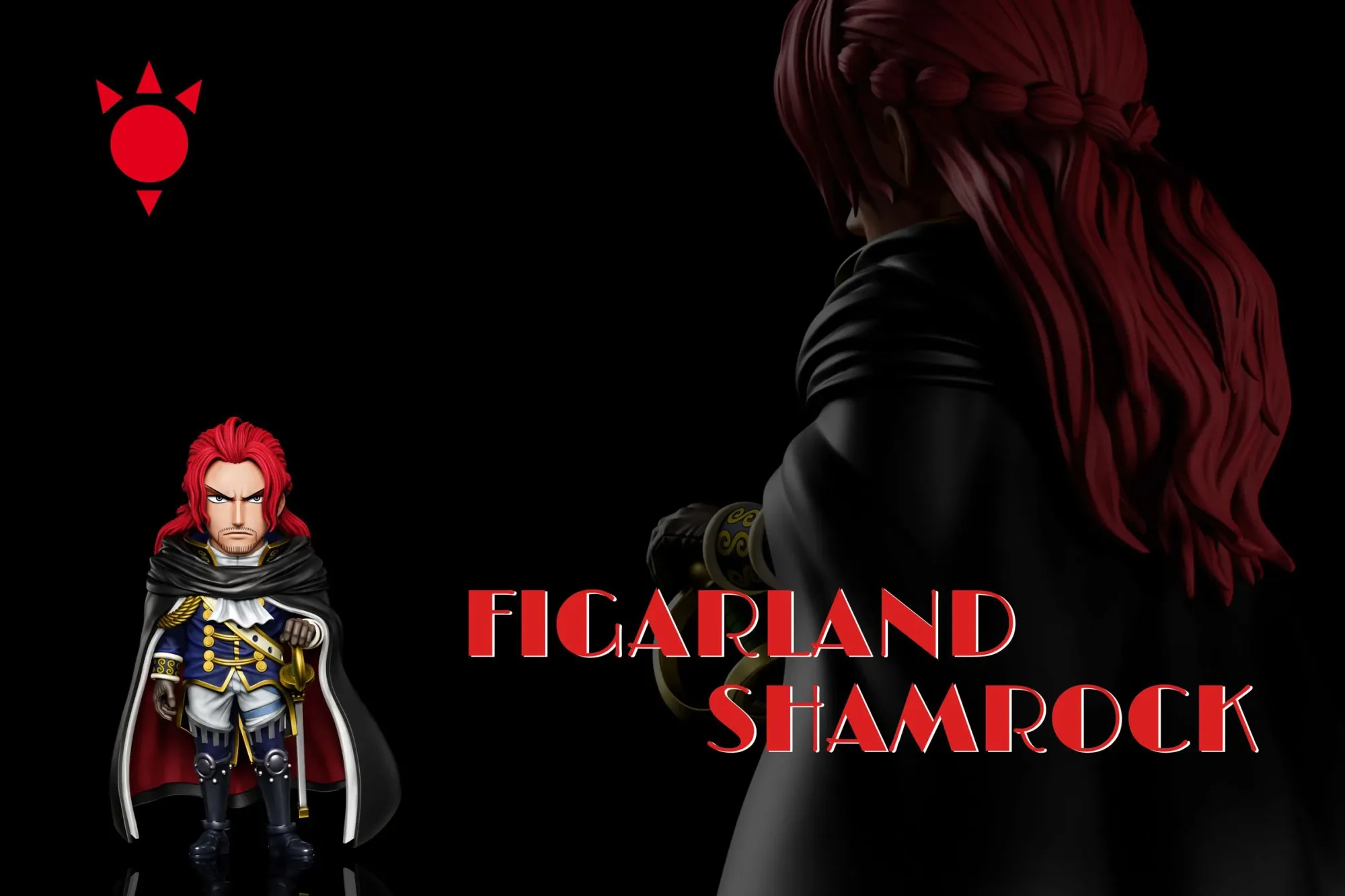
- Figarland Shamrock - ONE PIECE Resin Statue - A Plus Studios: A Plus Studios Figarland Shamrock is made from Resin + PU, stands 8.4cm tall, and is a time-limited release with an estimated shipping date of Q1 (March) 2026. A small resin and PU piece still carries studio casting and time-limited production costs, so size alone does not make a statue cheap.
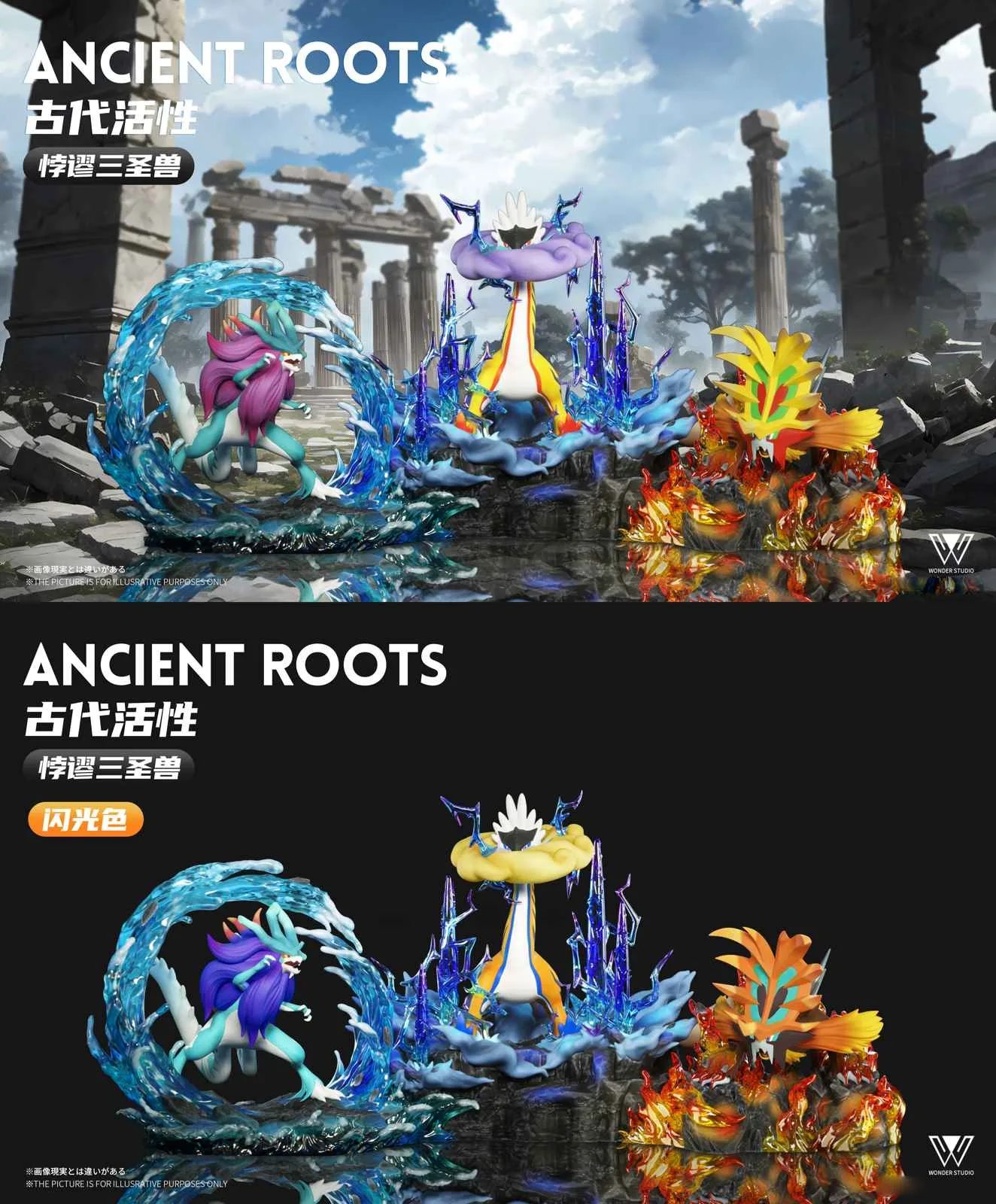
- 1/20 Scale World Zukan Walking Wake & Gouging Fire & Raging Bolt - Pokemon Resin Statue - Wonder Studio: Wonder Studio's 1/20 Scale World Zukan set uses Resin + PU + Polystone and includes three characters with dimensions up to about H38cm, and it is time-limited with an estimated Q4 (December) 2024 shipping date. Multiple characters, polystone, and large dimensions increase material and mold costs, which is why a set can cost more than a single small statue.
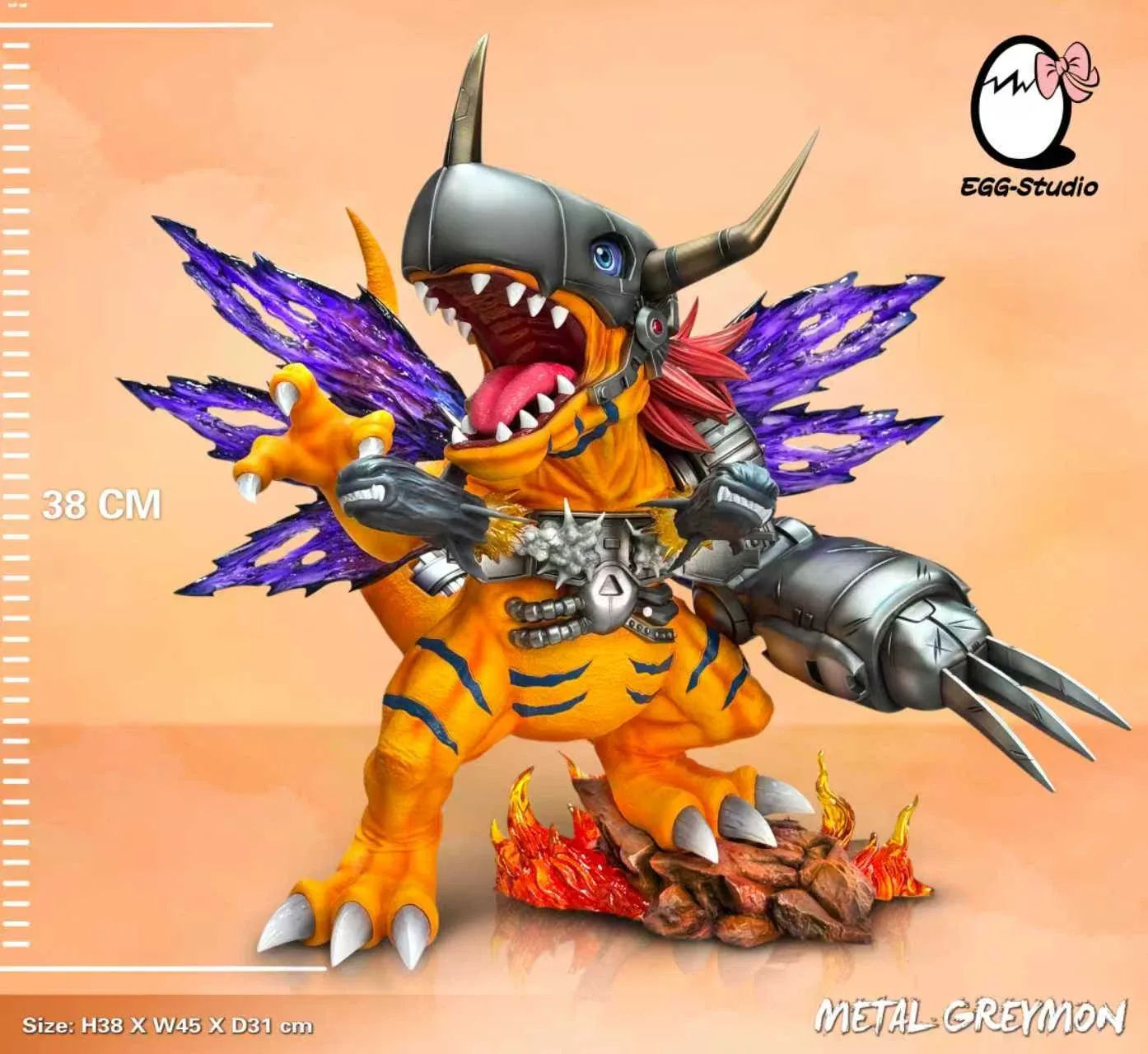
- MetalGreymon - Digimon Resin Statue - EGGS Studios: EGGS Studios MetalGreymon is made from Resin + PU + Transparent Effect, measures approximately H38 * W45 * D31cm, and is a time-limited release with an estimated Q3 (September) 2026 shipping date. Transparent effect parts and a large footprint add material and hand-assembly steps, and the long shipping window reflects a production run that starts after orders close.