Quick answer
Platinum-cure silicone carries a light static charge, so lint, dust, and clothing fibers cling to it even when the toy is perfectly clean. Rinse it under warm water, wash it with a mild unscented soap, and dry it with a lint-free cloth. Then store it in a clean pouch or hard case away from fabric, and the problem mostly stops.
Why silicone grabs lint in the first place
Silicone is an insulator, which means it holds a static charge instead of letting it drain away. That charge is what pulls in hair, dryer lint, and dust from the air. The tacky surface feel on softer silicone blends makes it worse, because fibers have more to grip. This is normal behavior for the material, not a defect, and it does not mean the toy is dirty or degrading.
Fabric is the biggest offender. Bed sheets, towels, and the inside of a gym bag all shed fibers, and a toy left out on a nightstand or loose in a drawer will collect them within a day. If you notice the lint returns within hours of cleaning, the cause is almost always storage rather than hygiene.
How to clean silicone without making it worse
Rinse the toy under warm, not hot, running water to float off loose fibers. Apply a small amount of mild unscented soap and work it over the surface with your fingers, paying attention to curves, ridges, and the base where dust collects. Rinse thoroughly, because soap residue leaves a film that attracts even more lint. Pat dry with a microfiber cloth or let it air dry on a clean, non-shedding surface.
Avoid paper towels and cotton washcloths for drying. Both shed fibers, and paper towels leave a fine residue that makes the surface feel tacky. If your tap water is hard, a final rinse with distilled water prevents mineral spots that can look like dust. For a deeper clean, a dedicated silicone-safe toy cleaner works, but plain mild soap is enough for routine use.
Storage changes that keep silicone dust away
The single most effective fix is a dedicated pouch or hard case. A satin or microfiber drawstring bag keeps fibers off the surface while still letting the toy breathe. If you prefer a hard case, line it with a soft cloth so the toy does not rattle against the sides. Never store silicone directly against TPE, jelly, or PVC toys, because the materials can interact and damage the silicone over time.
Keep the storage spot away from pet hair, open windows, and laundry areas. A closed drawer or a lidded box in a cool, dry place works well. If you travel with a toy, put it in its own bag rather than loose in a suitcase with clothing. These habits cost nothing and cut lint dramatically.
When lint is a symptom of a bigger issue
If the surface stays sticky after washing and drying, or if you can see tiny pits and tears catching fibers, the silicone has started to break down. That usually comes from heat, sunlight, or contact with incompatible materials. A damaged surface is harder to clean properly and can harbor bacteria, so it is a sign to replace the toy rather than keep scrubbing it.
If the lint is only on the outside and the surface feels smooth, you are dealing with static and storage, not degradation. If the toy has changed color, developed a persistent odor, or feels tacky no matter how you clean it, stop using it. No cleaning routine will restore a surface that has already broken down.
Diagnose your lint problem
- Lint returns within hours of cleaning: The toy is picking up static and fibers from its surroundings, not from being dirty. Move it into a closed pouch or lidded case and keep it away from laundry and pet hair. Fix storage first; cleaning alone will not solve this.
- Surface feels tacky after washing and drying: Soap residue or hard-water minerals are leaving a film. Rinse with distilled water, dry with a microfiber cloth, and skip paper towels entirely. If tackiness persists after two clean cycles, the silicone is likely degrading.
- Visible pits, tears, or color change: The silicone surface has broken down, often from heat, sunlight, or contact with incompatible materials. Fibers now catch in the damage and cleaning cannot reach it all. Stop using the toy and replace it; this is not a cleaning problem.
Silicone that resists the problem better
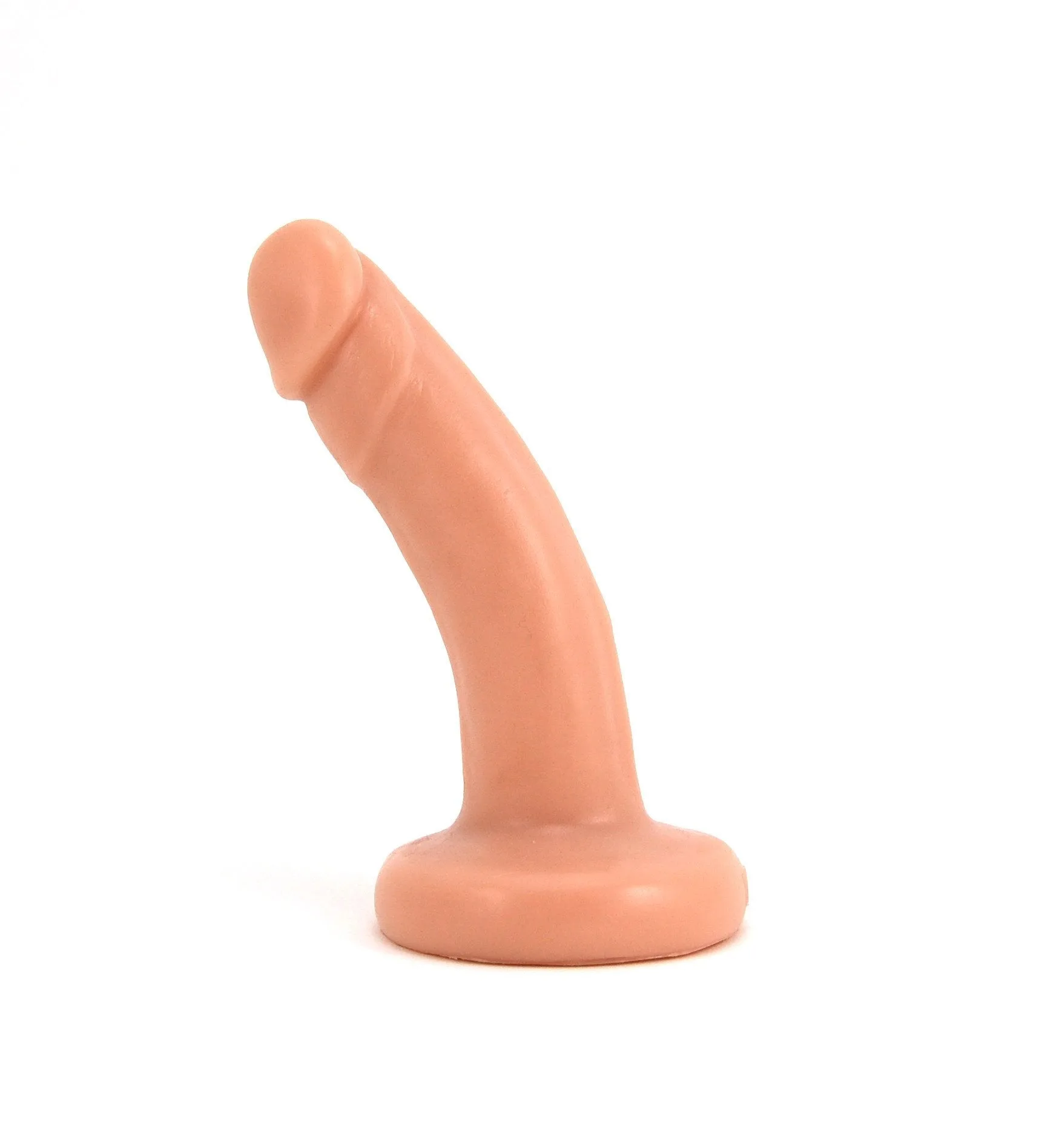
- Spur: Spur is made of 100% platinum silicone in the VixSkin formula, which is durable and does not break down. A non-degrading surface stays smooth, so it has fewer pits for fibers to catch and is easier to rinse clean.
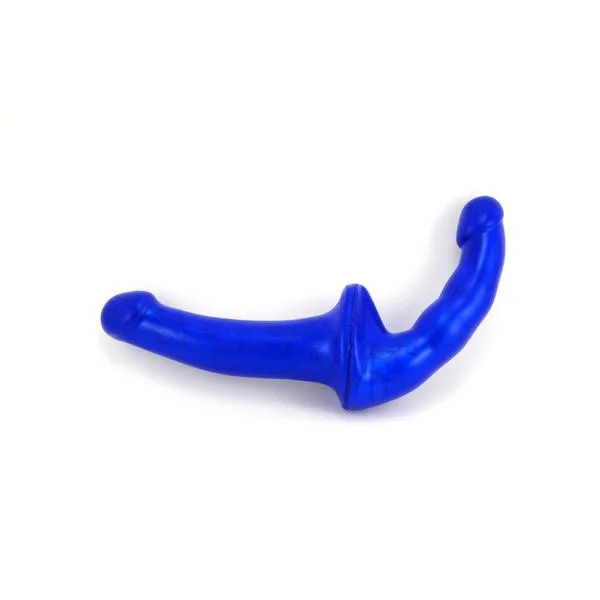
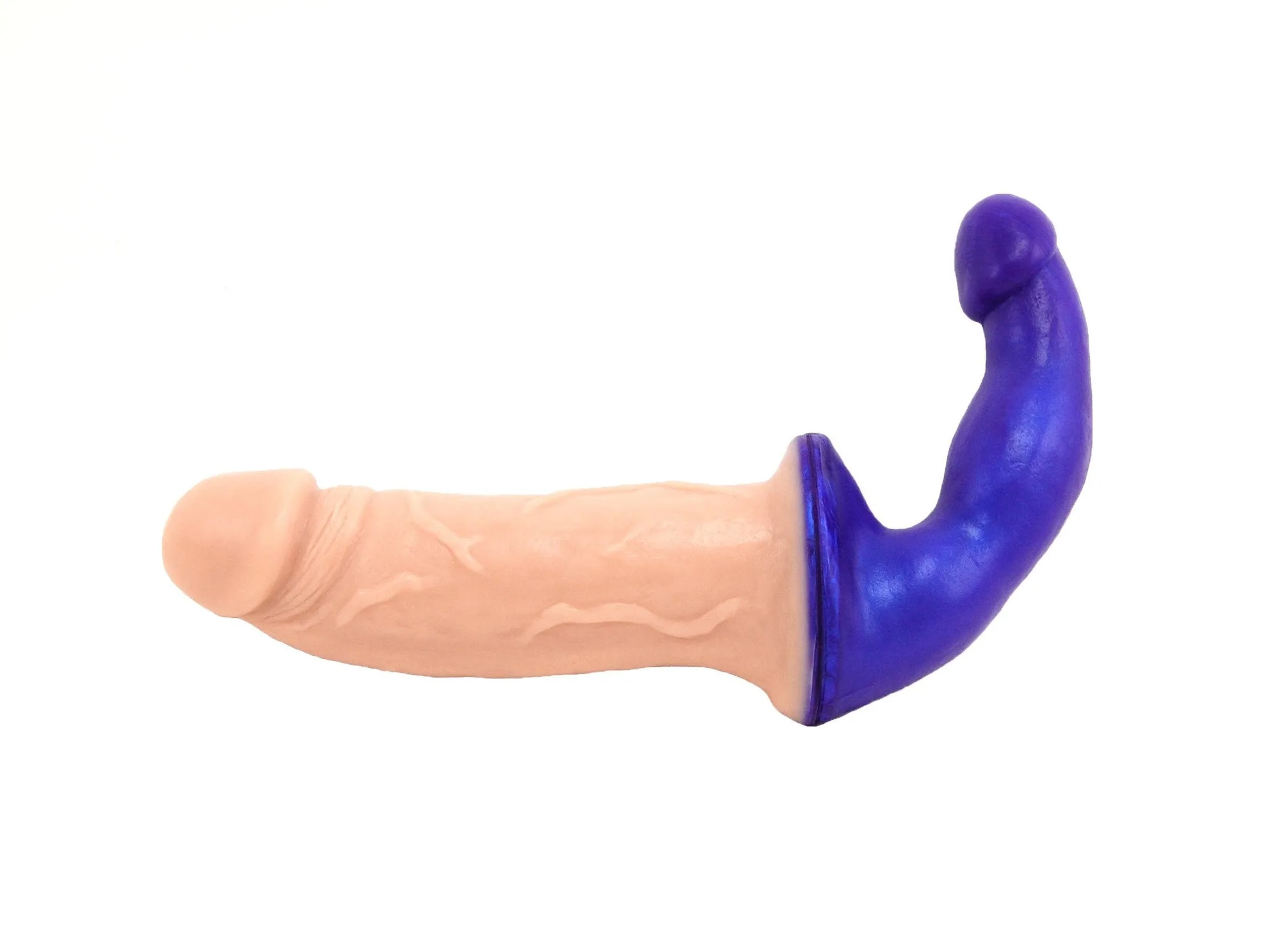
- Peacemaker: Peacemaker has a curved side at 5-1/4" x 1-1/2" and a straight side at 6-1/2" x 1-7/8", with 13" total length. More surface area and deeper curves mean more places for dust to settle, so a double-sided toy benefits most from a dedicated pouch.
- Nexus Junior: Nexus Junior is part of the Original Formula line, with a firm silicone texture and a curved arc for comfortable positioning. Firmer silicone holds less surface tack than softer blends, so it tends to collect less lint between cleanings.