Quick answer
Silk pajamas pill and snag because friction pulls fibers out of the weave, not because the silk is low quality. Switch to a friction-reduced routine: wash on a delicate cycle in a mesh bag with a pH-neutral detergent, skip the dryer, and keep nails, jewelry, and rough bedding away from the fabric. If pills or pulls appear, remove them gently with a fabric shaver or fine needle rather than pulling, and replace the garment only when the weave is structurally weak.
What pilling and snagging actually look like on silk
Pilling on silk shows up as small, fuzzy tangles of fiber sitting on the surface, often near the underarms, waistband, or where a pajama top rubs against a sheet. Snags are different: a single thread is pulled out of the weave, leaving a loop or a visible line. Both are mechanical damage, not a sign that the silk is fake or poorly made. Even 100% mulberry silk can pill if it is rubbed repeatedly against a rougher surface.
The confusion matters because the fix is different. Pills are loose fiber ends that have knotted together; you can remove them. A snag is a continuous thread that has been displaced; pulling it makes the damage worse. Treating a snag like a pill, or a pill like a snag, is how a small issue becomes a hole.
The friction sources you can control tonight
Most silk damage happens in bed, not in the wash. Rough sheets, a velcro closure on a pillow, a watch band, or even dry skin on your heels can catch the weave. Before you blame the fabric, audit what your pajamas touch for eight hours a night.
Start with your bedding. Percale and linen have more surface texture than sateen or washed cotton, and that texture acts like sandpaper over time. If you love the crisp feel of linen, consider keeping your silk pajamas for nights when you use smoother sheets, or accept that some surface wear is the tradeoff. The same logic applies to sleep accessories: a textured eye mask strap or a rough robe belt can create a wear line across the shoulder or waist.
- File rough nails and push back cuticles before bed; a single jagged edge can pull a thread.
- Remove rings, watches, and bracelets before putting on silk sleepwear.
- Check pillowcases and sheets for loose zippers, embroidery, or velcro.
- Rotate two or three pajama sets so each one gets fewer friction cycles.
Washing habits that reduce pilling
The wash is where you can either protect the weave or accelerate damage. Washable silk is engineered to tolerate gentle home care, but it still needs the same respect you would give a fine sweater. Use a mesh laundry bag, turn the garment inside out, and choose a delicate cycle with cold water. A pH-neutral detergent designed for silk or wool is safer than a standard detergent with enzymes or bleach, which can break down protein fibers over time.
Skip the dryer entirely. Heat and tumbling are two of the fastest ways to create pills because they force fibers to rub against each other while the fabric is warm and more pliable. Hang or lay flat to dry away from direct sun. If you must speed drying, use a fan on low rather than a machine.
Wash silk separately from towels, jeans, or anything with zippers. Lint from other fabrics can cling to silk and look like pilling even when the silk itself is intact. If you use a shared machine, run a quick rinse cycle first to clear residual lint.
How to fix pills and snags without making them worse
For pills, lay the garment flat and use a fabric shaver or a fine-tooth comb with very light pressure. Do not press hard or go over the same spot repeatedly; you are trimming the pill, not shaving the fabric. A small pair of embroidery scissors works for isolated pills. After removing pills, wash the garment to settle the remaining fibers.
For a snag, never cut the loop. Use a fine needle or a snag repair tool to gently work the pulled thread back into the weave from the wrong side. If the snag is long and the thread is still intact, you can sometimes redistribute the loop by stretching the fabric gently around it. If the thread has broken, a tiny dot of clear fabric glue on the wrong side can stop it from running, but this is a temporary fix.
Test any repair on an inside seam first. Some washable silk finishes respond differently to friction tools, and you do not want to create a thin spot on the front of a pajama top while fixing a pill near the hem.
When to stop treating and choose a different option
Stop repairing when the fabric around the pill or snag feels thin, when you can see light through the weave, or when the same area keeps pilling after two or three treatments. At that point the fibers are structurally weakened, and further shaving or trimming will only create a hole. This is the moment to retire the garment from sleepwear and repurpose it as a travel wrap or donate it, rather than fighting a losing battle.
If you have tried friction reduction, gentle washing, and repair, and your silk still pills quickly, the issue may be the fabric weight or weave rather than your routine. Some silk pajamas are made with a lighter, looser weave that feels luxurious but is more prone to surface wear. In that case, look for a set with a slightly denser weave or a different fiber blend for everyday rotation, and save the delicate pair for occasional wear.
Diagnose your silk damage
- Small fuzzy balls near underarms or waist: This is pilling from friction against skin, sheets, or a waistband. Remove with a fabric shaver on low pressure, then wash in a mesh bag and skip the dryer. If pills return within two wears, the weave is likely too loose for your bedding texture.
- A single pulled loop or line: This is a snag. Do not cut it. Use a fine needle to work the thread back into the weave from the wrong side, and check nails and jewelry before wearing again. If the thread is broken and the loop will not stay in, a tiny dot of clear fabric glue on the inside can stop it from running.
- Thinning fabric or light showing through: This is structural damage, not surface pilling. Stop shaving or trimming. The fibers are weakened and further treatment will create a hole. Retire the garment from sleepwear or repurpose it; replacement is the better option.
Silk pajamas built for real-life washing
- Inez Washable Silk Long PJ Set: Made from 100% mulberry silk, produced using bluesign®-certified processes and verified by OEKO-TEX® Standard 100, meaning it is processed without harmful chemicals or dyes in a mill that prioritizes safe and non-toxic practices. If you want silk that can handle a gentle home wash without harsh chemical residue, this certification gives you a clearer starting point than unverified silk.
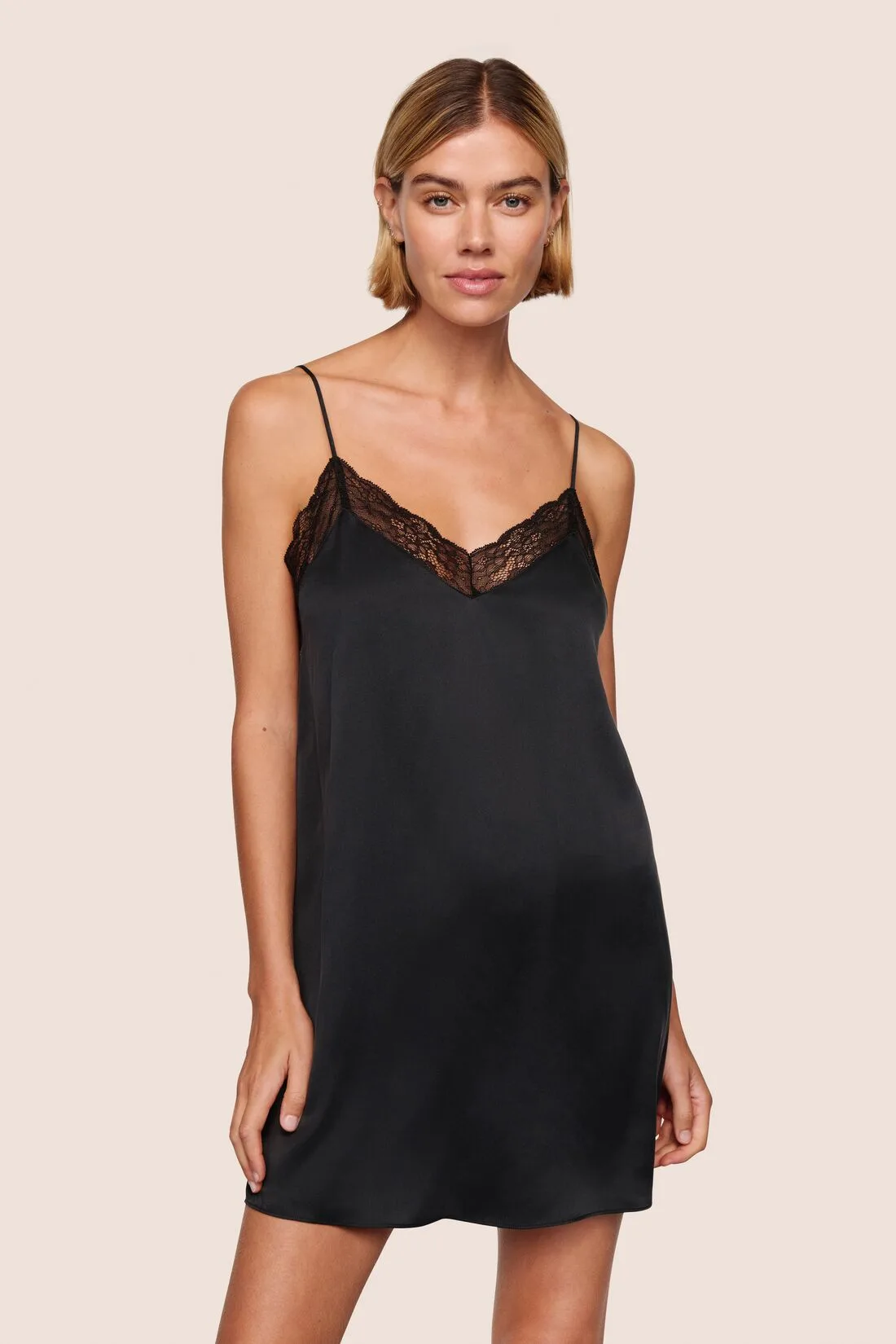
- Washable Silk Lace Slip: A dream to wear, a dream to wash. Made from 100% mulberry silk, produced using bluesign®-certified processes and verified by OEKO-TEX® Standard 100, meaning our fabric is processed without harmful chemicals and dyes in a mill that uses safe and non-toxic dyes. A slip has fewer seams and less friction against sheets than a full pajama set, so it can be a lower-risk option if you are prone to snags at the waistband or cuffs.