Quick answer
A brief tingle that fades within a minute or two is usually a barrier or pH mismatch, not proof the serum is working. If stinging lasts longer, builds with each layer, or comes with redness, burning, or swelling, stop the serum and treat your skin as compromised: rinse with lukewarm water, apply a bland moisturizer or barrier cream, and skip exfoliating acids and retinoids until your skin feels normal again.
Tingle or sting? Read the first 60 seconds
The timing and location tell you more than the intensity. A faint tingle that fades while the serum is still drying usually points to a temporary pH shift or a slightly compromised barrier, and it often settles once your routine is simplified. A sting that sharpens after 30 seconds, spreads beyond where you applied the product, or returns the next morning is a different signal: your skin is reacting, not adjusting.
Track three things for two weeks: how long the sensation lasts, whether it happens on every application or only after exfoliating, and whether it appears on the whole face or only on the cheeks and around the nose. Cheeks and the nasal folds have thinner skin and more active oil glands, so they often sting first when a barrier is struggling.
The four causes behind most serum stinging
Most cases come down to one of four problems, and each has a different fix. A weakened barrier lets water-soluble ingredients penetrate faster than the skin can tolerate, so even gentle hydrating serums sting. Layering too many actives in one sitting, such as an acid toner, a vitamin C serum, and a retinoid, stacks irritation faster than the skin can recover between steps. A pH mismatch between your cleanser and serum can trigger a brief tingle that resolves once the cleanser is rinsed more thoroughly. Finally, a genuine allergy or intolerance produces stinging plus redness, itching, or swelling, and it will not improve with dilution or a shorter contact time.
If you cannot tell which one you are dealing with, change only one variable at a time. Drop the newest product for five days and keep everything else identical. If the stinging stops, the serum was the trigger. If it continues, the problem is your routine or your barrier, not that single bottle.
How to stop the sting without guessing
Start by reducing contact time. Apply the serum to dry skin, wait 60 seconds, then layer a bland moisturizer over it to slow absorption. If that still stings, buffer it: mix one pump of serum with a pea-sized amount of moisturizer in your palm before applying. This lowers the effective concentration without wasting the product.
Next, separate your actives by at least one routine. Use the serum in the morning and keep exfoliating acids or retinoids for the evening, or alternate nights. When your skin is calm, reintroduce the serum two or three times a week before returning to daily use. If stinging persists after two weeks of buffering and spacing, the formula is not a match for your skin right now, and switching to a simpler hydrating serum is a reasonable next step rather than pushing through.
When to stop and choose a different product
Stop the serum immediately if you see welts, spreading redness, swelling, or a burning sensation that lasts more than a few minutes. Rinse with cool water, apply a plain barrier cream, and do not layer anything else on top that day. If the reaction covers a large area or does not settle within 24 hours, contact a dermatologist rather than experimenting further.
For skin that stings easily but is not truly allergic, choose products with a shorter, simpler ingredient list and avoid stacking multiple exfoliating acids in one routine. A soothing barrier cream used after cleansing and before any serum can act as a buffer layer, and it is often enough to make a borderline serum tolerable.
Sting diagnosis: match the symptom to the next step
- Fades in under 60 seconds, no redness: Most likely a temporary pH shift or a mildly compromised barrier. Continue the serum but buffer it with a moisturizer and skip exfoliating acids for one week. If it stays this mild and does not worsen, the product is probably usable with a simpler routine.
- Builds with each layer or lasts several minutes: Usually too many actives stacked in one routine. Move the serum to its own routine, alternate nights with acids or retinoids, and reintroduce gradually at two to three times a week. If stinging continues after two weeks of spacing, the formula is not a match right now.
- Stinging plus redness, itching, or swelling: Treat this as a reaction, not a tingle. Rinse with cool water, apply a plain barrier cream, and stop all actives until the skin is calm. Seek a dermatologist if it spreads or lasts beyond 24 hours. Do not dilute or retry the product. Choose a simpler alternative instead.
Products that help calm a stinging routine
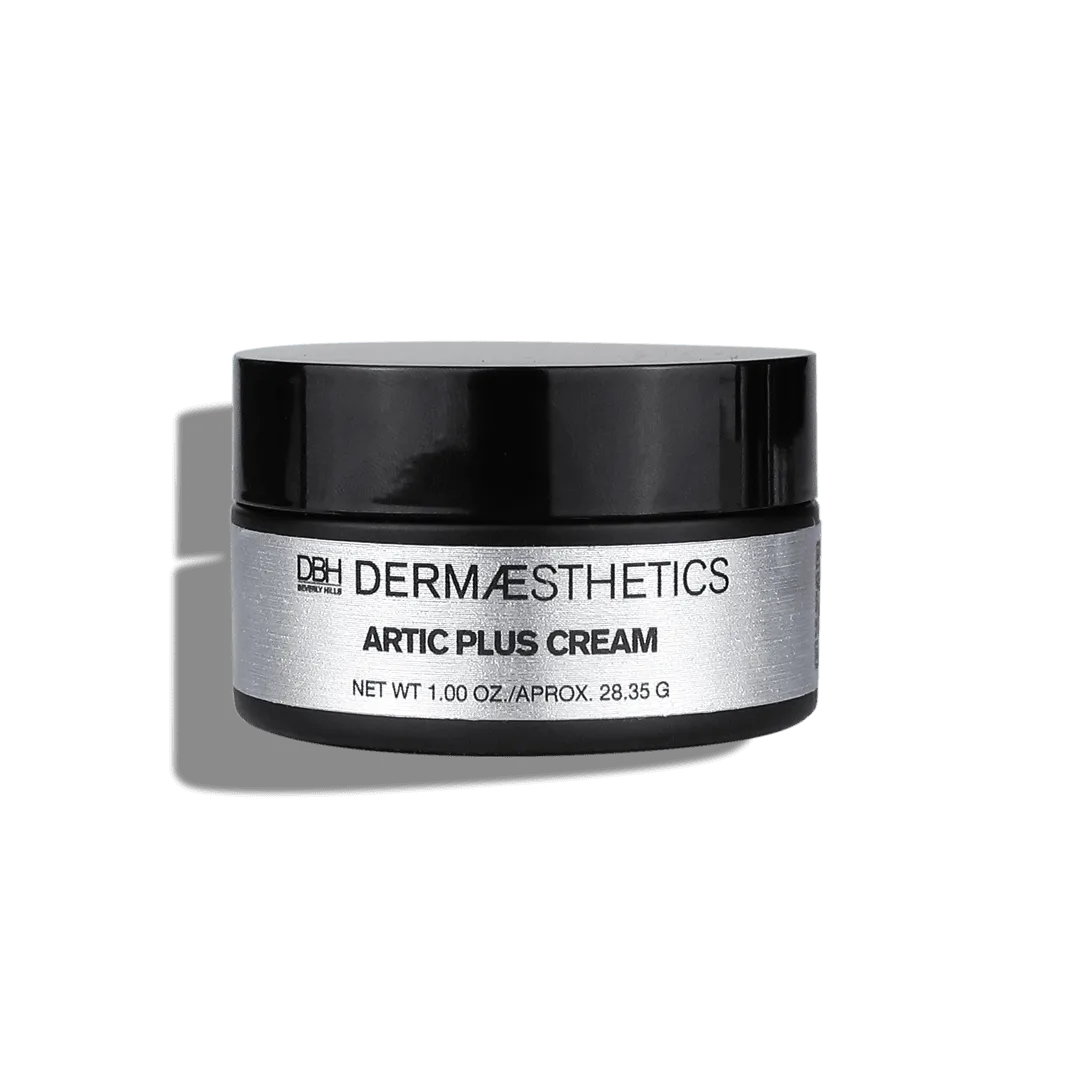
- Artic Plus Cream: Artic Plus Cream is a 1oz soothing cream for all skin types and all skin concerns, formulated to fortify the skin barrier, calm inflammation, and replenish moisture for damage, dryness, and sensitivity. It is used AM or PM after cleansing, toning, and serums, massaged in a dime-size amount onto the face and neck. It works as the buffering layer described above: applied after a serum or mixed with it, it slows absorption and gives a stressed barrier something to rebuild with.
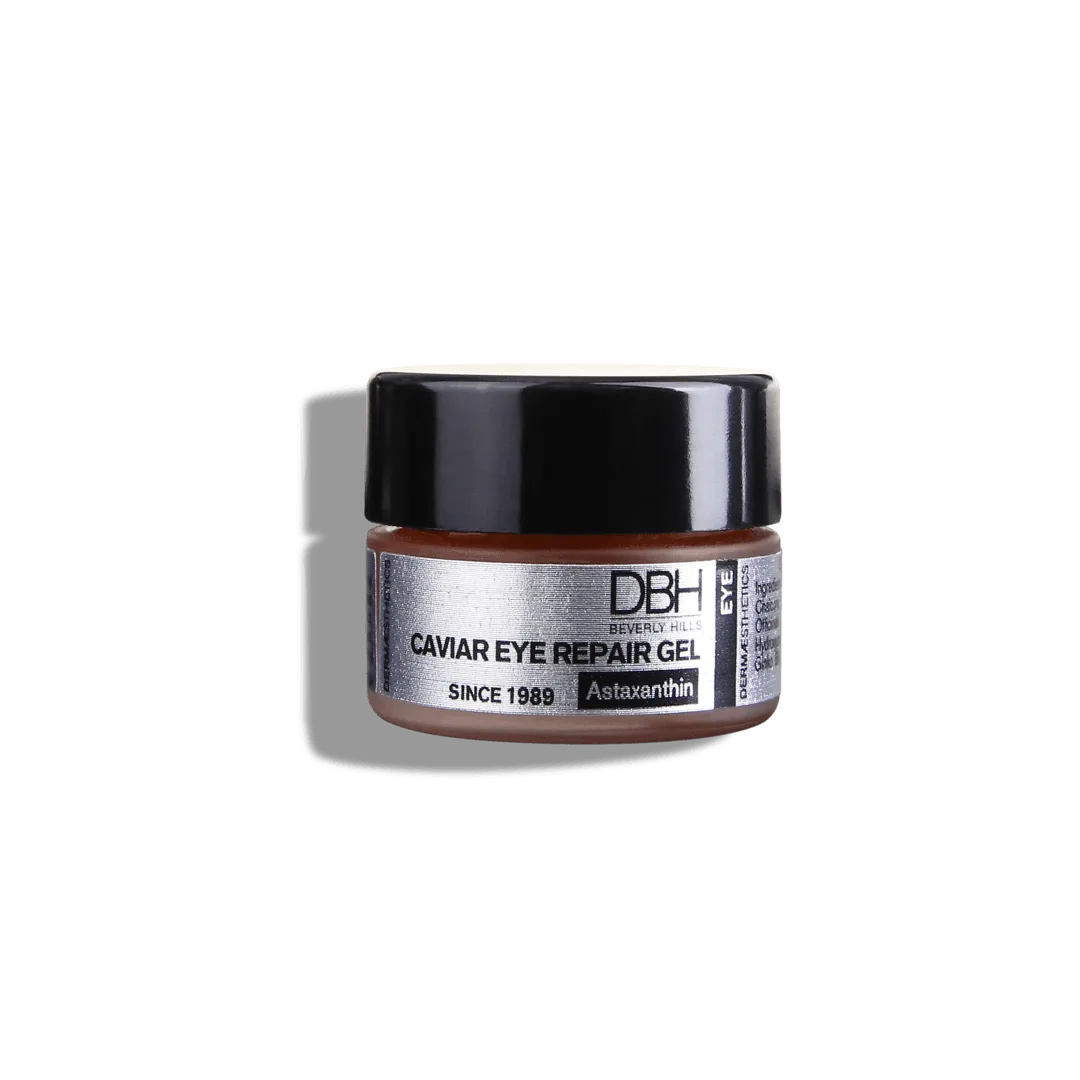
- Caviar Eye Repair Gel: Caviar Eye Repair Gel is a 0.5oz soft gel for all skin types, aimed at anti-aging, dry skin, fine lines and wrinkles, and thinning skin. It is designed to tighten, smooth, and brighten the eye area while hydrating and supporting circulation. The eye area stings first when a barrier is compromised, so keeping a dedicated, non-irritating eye gel lets you continue treating that area while you pause facial actives.
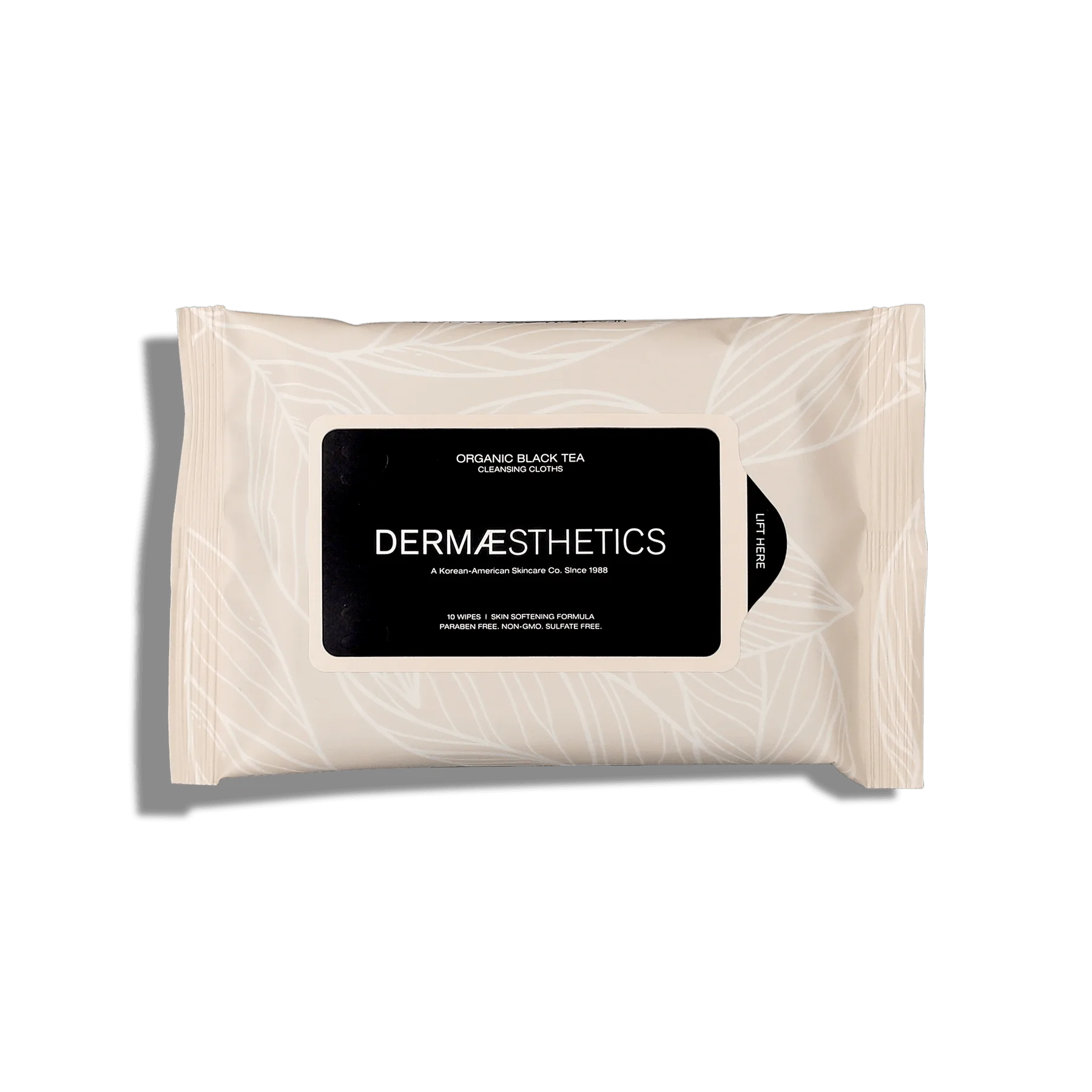
- Organic Black Tea Cleansing Cloths: Organic Black Tea Cleansing Cloths are suitable for all skin types and combine antioxidant-rich black tea with witch hazel to refine pores and control oil, plus sodium hyaluronate and glycerol to hydrate while removing makeup and impurities. If your cleanser is the stinging culprit, a wipe that removes residue without a harsh double-cleanse can reduce the pH mismatch that makes the next serum burn.