Quick Answer
Dense sourdough buns are almost always a proofing or shaping problem, not a flour problem. Check your starter activity, give the dough a full bulk ferment, and proof the shaped buns until they feel airy before baking. If the dough is already over-proofed or the crumb is gummy, switch to a simpler enriched bun recipe or buy a reliable loaf like Seeded Wheat Sourdough while you practice.
Seeded Wheat Sourdough
You pull a tray of sourdough buns from the oven, and they look right. Then you tear one open and the inside is tight, heavy, and closer to a biscuit than a bun. It is frustrating, but it is also one of the most fixable problems in sourdough baking.
This guide separates the symptom from the likely cause so you can correct the next batch instead of guessing. Work through the checks in order, because changing three things at once usually hides the real culprit.
Symptom: Buns Are Dense and Flat
If the buns barely rose in the oven and feel heavy in your hand, start with your starter. A starter that is not at peak activity will not lift an enriched dough. Feed it and wait until it doubles and smells pleasantly sour, not like acetone or raw flour.
Next, check your bulk ferment. Sourdough buns need the dough to grow visibly before shaping. If you shaped too early, the yeast never had a chance to build gas, and no amount of oven spring will rescue it.
- Use a clear container so you can mark the starting level and see the rise.
- Warm your kitchen or use a proofing box if your dough is moving slowly.
Symptom: Buns Rose, Then Deflated
A bun that puffs up in the oven and then collapses is usually over-proofed. The gluten structure stretches too far, the gas escapes, and the crumb turns tight and gummy. This is common with sourdough buns because the final proof can move faster than expected in a warm kitchen.
Shorten the final proof and bake when the dough springs back slowly when poked. If you are not sure, bake a test bun first. One bun tells you more than another thirty minutes of watching.
- Do not rely on the clock alone; touch the dough.
- If your kitchen is above 78°F, expect the final proof to take less time.
Symptom: Crumb Is Tight but the Buns Look Fine
Buns that look good but eat dense often need more dough strength. Sourdough buns are usually enriched with fat and sugar, which can weaken gluten if the dough is under-mixed or under-folded. Add a few stretch-and-folds during bulk fermentation to build structure without overworking the dough.
Shaping also matters. If you press the dough too flat or roll it too tight, you knock out gas and create a dense center. Shape with light hands, keep tension on the surface, and place buns close together so they support each other as they rise.
- Do three to four stretch-and-folds spaced 20 to 30 minutes apart.
- Shape buns slightly taller than you want them to finish.
When to Stop Adjusting and Switch Recipes
If you have fixed your starter, proofed fully, and shaped gently, and the buns are still dense, the recipe may be the problem. Some sourdough bun formulas are too lean or too high in whole grain for a soft, airy result. Whole grain flours absorb more water and can produce a heavier crumb, which is normal but not always what you want in a burger bun.
At that point, choose a simpler enriched bun recipe or buy a proven bread for the meal. A seeded whole grain loaf like Seeded Wheat Sourdough gives you the sourdough flavor and whole grain texture without the bun troubleshooting. Use it for sandwiches or toast while you practice your bun technique.
- Do not keep adding flour to fix a wet dough; it makes buns denser.
- If you want soft buns, use a recipe with some fat and sugar, not just flour, water, and starter.
Dense Sourdough Bun Diagnosis
- Starter not at peak: Your starter did not double after feeding, or it smells sharp and flat. Feed and wait until it doubles before mixing dough.
- Under-proofed final rise: Buns felt tight and small before baking and did not spring in the oven. Proof until the dough feels airy and springs back slowly when poked.
- Over-proofed final rise: Buns puffed then collapsed, with a gummy, tight crumb. Shorten the final proof and bake a test bun earlier next time.
- Weak dough structure: Dough was under-folded or too wet, so it could not hold gas. Add stretch-and-folds during bulk and shape with light tension.
- Recipe too lean or too whole-grain: You fixed starter and proofing but buns are still heavy. Switch to an enriched bun recipe or use a proven loaf like Seeded Wheat Sourdough.
Products That Help When You Need a Backup
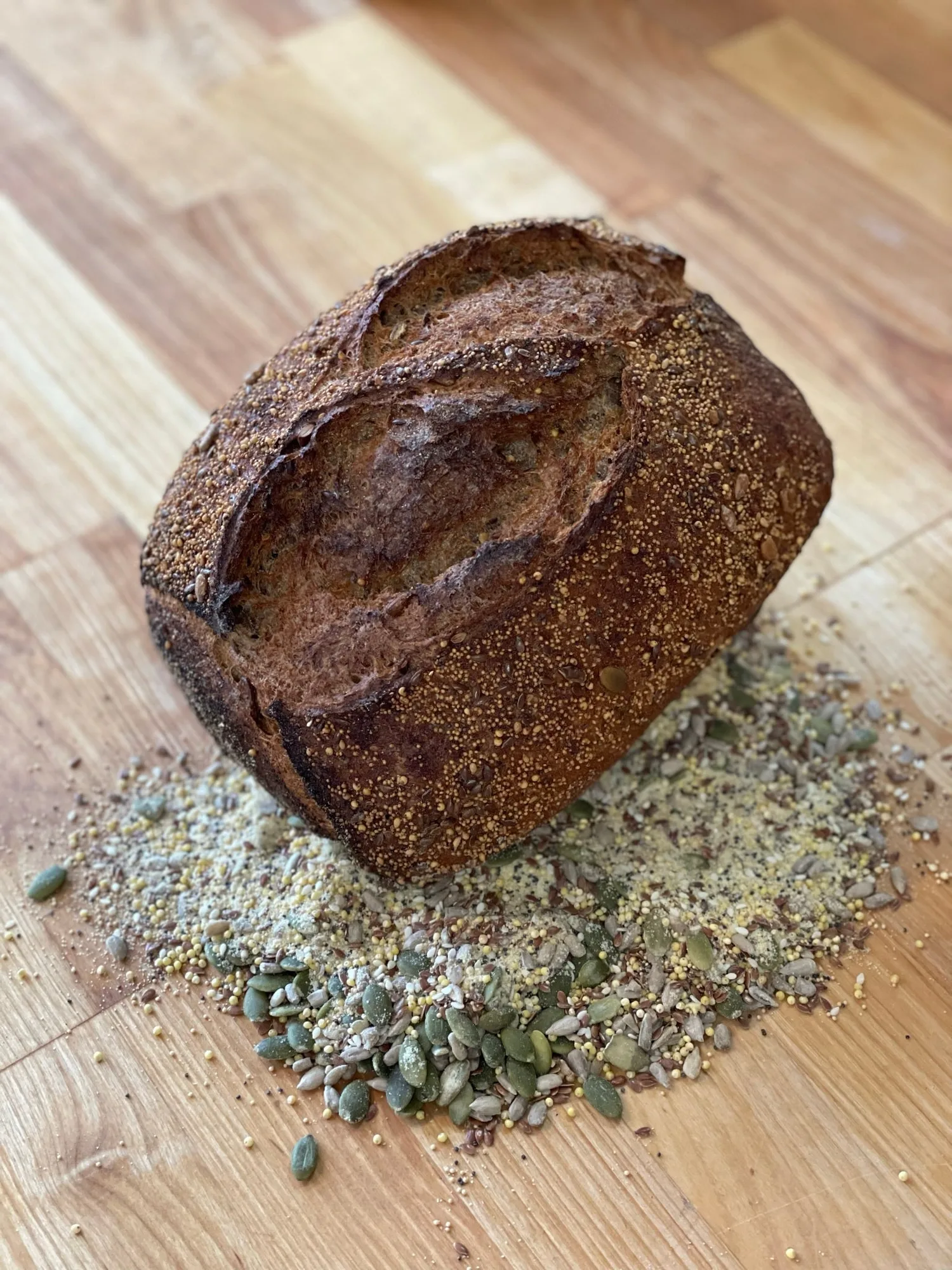
- Seeded Wheat Sourdough: Seeded Wheat Sourdough is a whole grain bread made with a blend of seeds and grains, including amaranth, sunflower, pumpkin, flax, sesame, poppy, millet, and corn. If your buns keep turning out dense, this loaf gives you a reliable sourdough option for sandwiches and toast while you keep practicing.
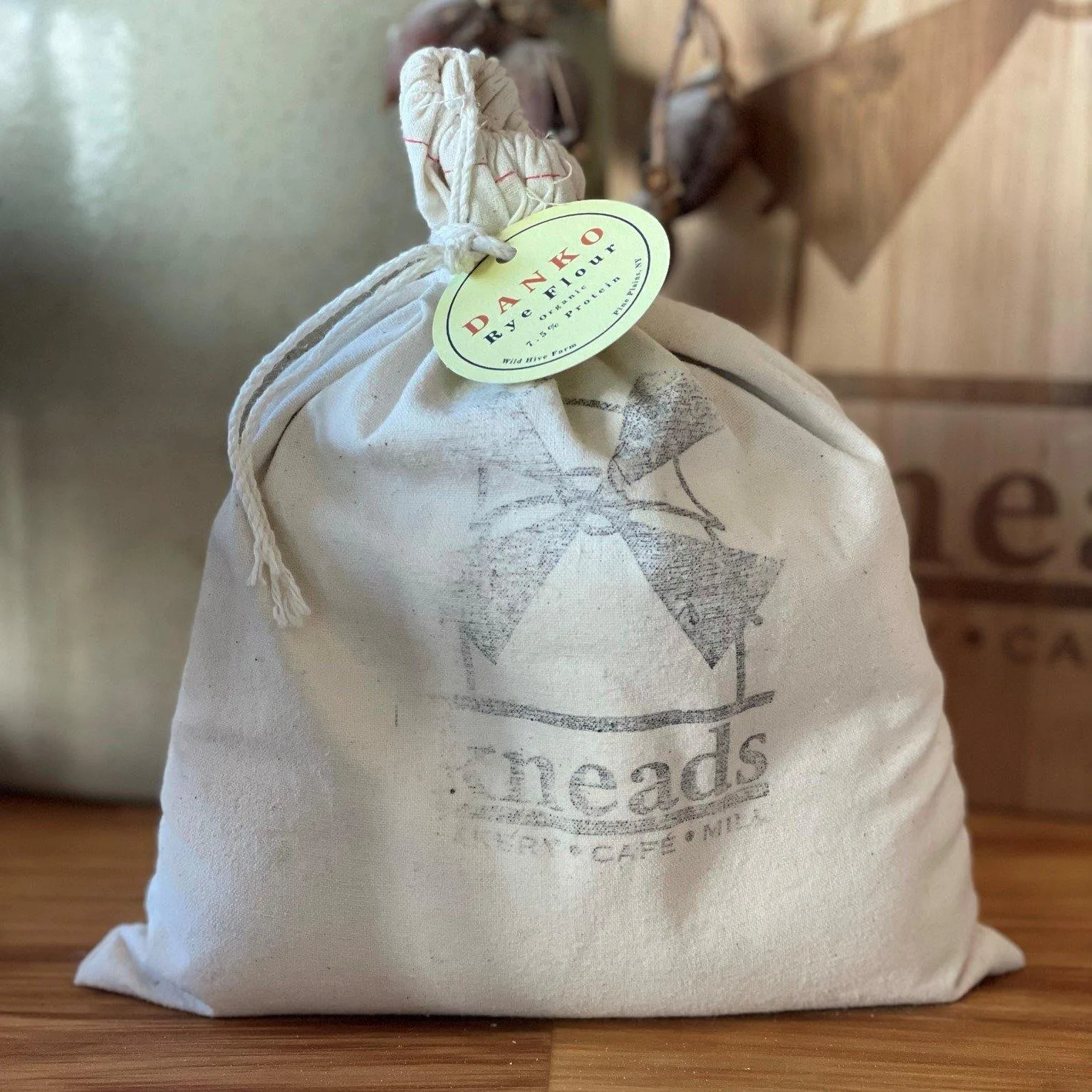
- Whole Grain Rye Flour Organic: Whole Grain Rye Flour Organic is freshly milled in store on the New American Stone Mill and packaged in a 2 lb (908 g) size. Rye flour absorbs more water and can make buns denser if used alone; blend it with bread flour or save it for rye loaves instead of burger buns.
Dense sourdough buns are a proofing and shaping problem more often than a flour problem. Fix your starter, watch the dough instead of the clock, and shape with a light hand. If the buns still fight you, a reliable loaf like Seeded Wheat Sourdough keeps the meal on track while you keep practicing.