Quick answer
Most surf leashes snap because of UV degradation, a worn swivel, or a sharp edge rubbing the cord. Inspect the cord and swivel after every few sessions, rinse and dry the leash out of direct sun, and replace the cord or the whole leash once you see deep nicks, stiffness, or a sticky swivel. If the cord is still smooth and the swivel turns freely, you can extend its life with simple care.
The hidden wear points that cause most leash failures
Leashes rarely break in the middle for no reason. The cord usually fails at one of three spots: where it exits the cuff, where it meets the rail saver, or right at the swivel. Those are the points that bend, rub, and take the most load. A small nick from a fin or a reef cut can turn into a full snap under a hard pull. Check these three areas by running the cord through your fingers and looking for flat spots, fraying, or a chalky surface. If the cord feels stiff or looks faded, UV damage has already weakened the material.
How to inspect and maintain your leash between sessions
After every surf, rinse the leash in fresh water and hang it to dry inside, away from direct sun. Salt and sand work into the swivel and the cuff stitching, and UV light breaks down the cord over time. Once a month, check the swivel by spinning it gently. It should turn without grinding or catching. If it feels rough, rinse it again and add a drop of silicone spray or fresh water to flush out sand. Never use oil or grease, which attract grit. Also inspect the rail saver and the cord near the cuff for cuts. A small cut can be trimmed if it is only in the rail saver, but any cut in the main cord means the leash is compromised.
When to replace the cord, the swivel, or the whole leash
If the swivel is the only problem and the cord is still in good shape, you may be able to replace just the swivel on some leashes. But most modern leashes are not designed for user-replaceable swivels, and forcing a repair can create a weak point. If the cord has any deep nick, stiffness, or fading, replace the whole leash. A leash cord replacement is rarely worth it unless the leash has a specific replaceable cord system. For everyday surfers, a new leash costs less than a lost board and a long swim. If you are unsure, compare the cost of a new leash to the risk of losing your board in heavy surf.
Storage and habits that extend surf leash life
Store your leash coiled loosely, not tight around the board or in a hot car. Heat and UV are the two biggest enemies. When you travel, keep the leash out of the sun and away from sharp edges in your bag. If you surf in rocky areas or near reefs, consider a thicker leash for those sessions. A thicker cord resists abrasion better, though it creates slightly more drag. Also avoid leaving your leash attached to the board in the sun for long periods; the cuff and cord will degrade faster. Rotating between two leashes gives each one time to dry and reduces wear.
Leash diagnosis: symptom, cause, and action
- Cord snaps near the cuff: The cord is likely worn from repeated bending and UV exposure. Check for stiffness or fading along the cord. If the cord is stiff or faded, replace the leash. If it is still flexible, inspect the cuff for sharp edges and rinse thoroughly.
- Swivel sticks or grinds: Sand or salt has entered the swivel. Rinse with fresh water and spin gently. Do not force it. If it still sticks after rinsing, the swivel is worn. Replace the leash or the swivel if it is user-replaceable.
- Cord has a deep nick or cut: A cut in the main cord weakens it and will likely snap under load. Trimming is not safe for the main cord. Replace the leash immediately. Do not try to repair a cut cord with tape or knots.
- Leash is over two years old and used often: Even with good care, UV and salt degrade the materials over time. The cord may look fine but have internal weakness. Replace it before it fails. A new leash is cheaper than losing your board.
Product facts
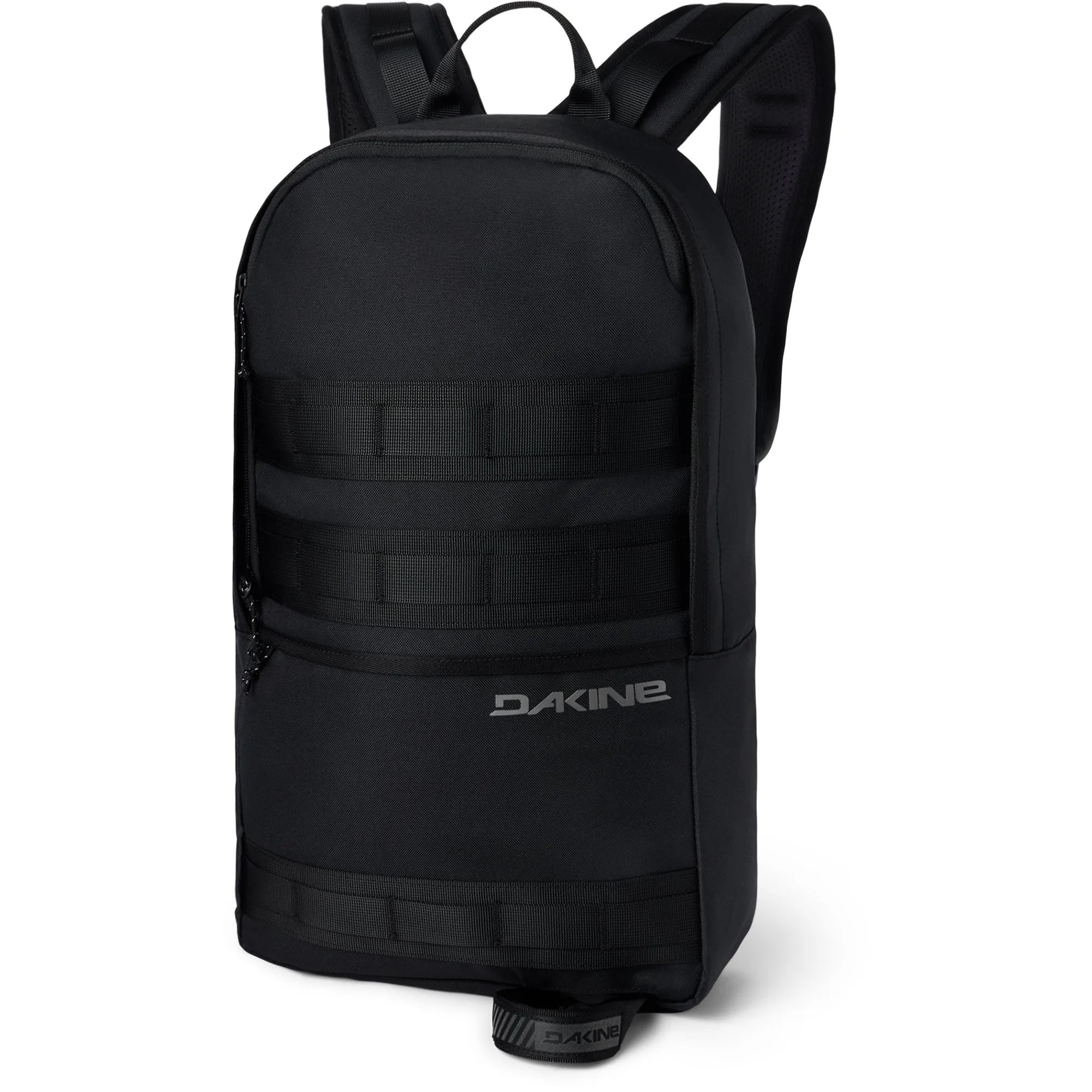
- 96 Heli Street Backpack 22L: The 96 Heli Street Backpack 22L is a lifestyle snow backpack with color and size options. A dedicated backpack keeps your leash and other gear organized and out of the sun between sessions, reducing UV and abrasion damage.