Quick answer
Sweater pilling happens when short or loose fibers work their way out of the yarn and tangle into little balls, usually where your bag, seatbelt, or arms rub. Stop it by resting sweaters between wears, washing less often and by hand, and de-pilling gently with a fabric comb or sweater stone. If pills keep returning across the whole surface, the yarn is likely too loose or too short-stapled to recover, and it is time to replace rather than keep shaving.
The friction map: where pills actually form
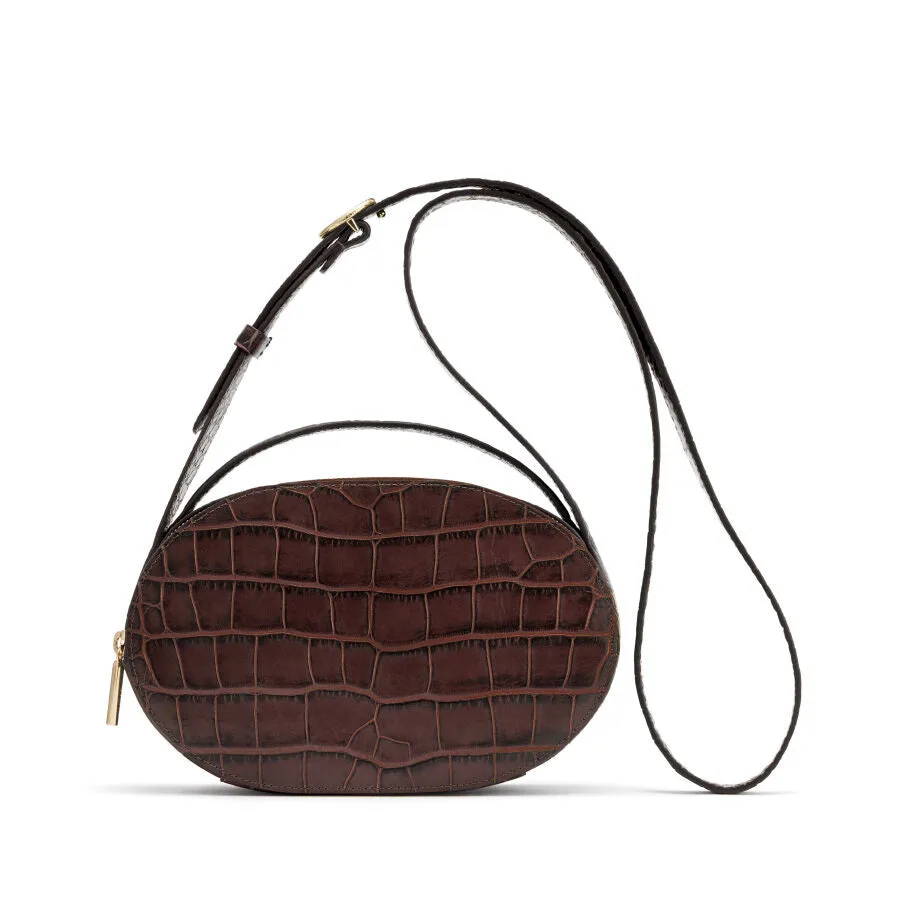
Pilling is not random. Look at your sweater and you will usually find the same three zones: under the arms, along the side where a tote or crossbody strap sits, and at the cuffs and hem where your hands and waistband rub. Those are the highest-friction points, and they tell you which daily habits to change first. If pills cluster only under one arm, your bag strap is the likely culprit; if they ring the cuffs, it is desk and pocket friction. Switching your bag shoulder, or sliding a soft cloth between strap and knit, often does more than any detergent.
- Underarm and side-body pills: bag straps, seatbelts, and layered jackets rubbing.
- Cuff and hem pills: hands in pockets, watch bands, and waistbands.
- All-over pills: yarn quality or wash method, not just wear.
How to de-pill without making it worse
The tool matters less than the pressure. A fabric comb, a sweater stone, or a fine-tooth de-pilling tool all lift the pill away from the surface, but pressing hard pulls new fibers loose and creates a fresh crop of pills within a week. Work on a flat surface, use short light strokes in one direction, and stop when the surface looks even, not when it looks perfect. For a cashmere pilling fix on a soft cardigan, a sweater stone used gently once a month is usually enough. Never use a razor or scissors; they cut the knit and leave a bald patch that cannot be repaired.
- Lay the sweater flat and smooth the area before you start.
- Use light, single-direction strokes; let the tool do the work.
- Stop at even, not flawless. Over-de-pilling thins the fabric.
Washing and resting habits that reduce pilling
Most pilling accelerates in the wash, not on the body. Turn the sweater inside out, use cold water and a gentle wool or cashmere detergent, and skip the dryer entirely. If you hand wash, squeeze water out instead of wringing, then dry flat on a towel away from direct heat. Between wears, give the sweater a full day to rest so the fibers can spring back; this single habit does more to prevent wool pilling than any spray or treatment. For alpaca sweater care, the same rules apply, and because alpaca fibers are long and smooth, they often pill less than shorter-staple wool when washed correctly.
- Wash cold, inside out, on a gentle cycle or by hand.
- Never tumble dry; heat and agitation lock pills into the knit.
- Rest a day between wears and fold, never hang.
Diagnose your pilling before you treat it
- Symptom: pills only under one arm or along one side: Friction from a bag strap, seatbelt, or jacket seam is pulling fibers loose in one zone. Change the strap side or add a soft barrier; no need to change your wash routine.
- Symptom: pills ring the cuffs, hem, and pockets: Hands, watch bands, and waistbands are the repeated rub points. De-pill lightly and keep cuffs out of pockets; this is normal wear, not a defect.
- Symptom: pills return across the whole sweater within days of de-pilling: The yarn has short fibers or a loose knit that keeps releasing new ends. Stop de-pilling and replace the sweater; repeated shaving will thin it without solving the cause.
Knitwear built with pilling in mind
- Alpaca Wool Crewneck Sweater: Knitted in an airy cable pattern from a soft blend of baby alpaca and virgin wool. Longer alpaca fibers and a lofty knit mean fewer loose ends to tangle, so this crewneck tends to pill less than a tight, short-staple wool sweater under the same wear.
- Single-Origin Cashmere Cardigan: Made from premium cashmere in Beige, Black, and Ecru. Cashmere pills when fibers rub free, so this cardigan benefits most from resting between wears and gentle hand washing rather than frequent de-pilling.