Quick answer
If the outside of your tumbler beads with water or your iced drink turns lukewarm within an hour, the vacuum between the two walls has almost certainly failed. That gap cannot be repaired at home, so no amount of washing, pre-chilling, or careful handling will bring the insulation back. Confirm the diagnosis with the checks below, then keep using the tumbler for room-temperature drinks or replace it.
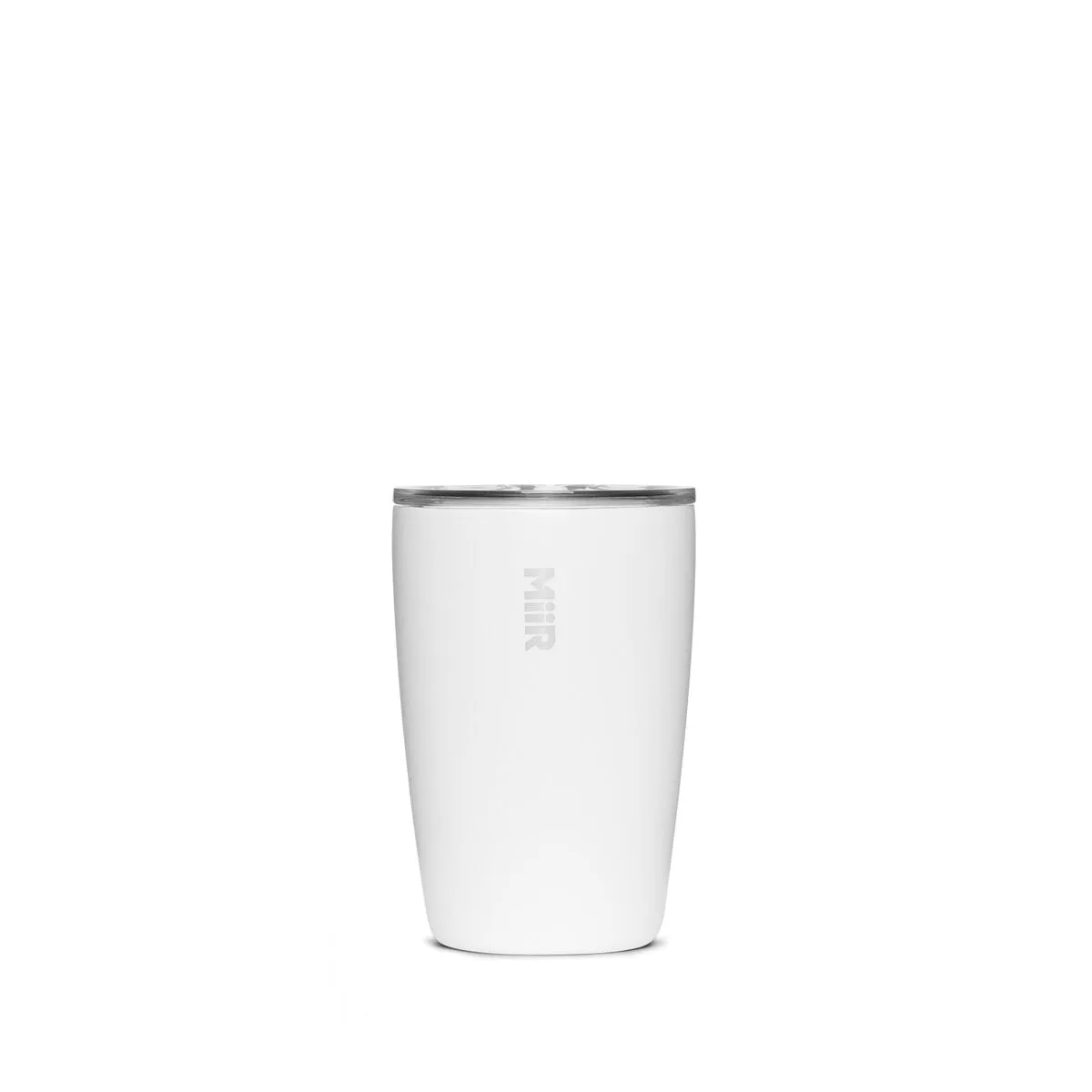
tumbler
Sweat on the outside is the clearest sign
A double-wall vacuum tumbler works because the space between the inner and outer stainless steel walls is emptied of air, which stops heat from moving through. When that vacuum is intact, the outer wall stays at room temperature no matter what is inside. Water beading on the outside means cold is escaping through the wall and condensing moisture from the air, which only happens when the vacuum is gone.
One exception: condensation around the rim, under the lid, or on the lid itself is normal. That is spilled or splashed liquid sitting on the outside of the seal, not a broken vacuum. Wipe it dry and watch whether new droplets form on the lower body of the tumbler while the lid stays sealed. If they do, the vacuum has failed.
Warm drinks and a hot outer wall point to the same failure
You do not need visible moisture to diagnose a dead vacuum. Fill the tumbler with ice water, wait ten minutes, and feel the outside. A working tumbler stays neutral to the touch. A failed one feels noticeably cold on the outside because the cold is conducting straight through the steel. The same test works in reverse with hot coffee: a failed tumbler becomes uncomfortably warm to hold.
If the tumbler still feels neutral but your drink goes warm quickly, the problem is usually the lid or how you are using it, not the vacuum. A lid that is not fully seated, a worn gasket, or leaving the drinking opening exposed all let heat in. Check those before assuming the insulation is gone.
What you can actually fix at home
Lid and gasket issues are the only insulation-related problems worth troubleshooting yourself. Remove the gasket, rinse it, and look for cracks, stretching, or a film of dried residue that prevents a seal. A gasket that no longer sits flush should be replaced. Also check that the lid threads are clean; grit in the threads keeps the lid from tightening all the way.
For everyday care, hand washing is the safest habit for vacuum drinkware. Harsh detergents, bleach, and repeated dishwasher cycles can degrade gaskets and finishes over time, even when a product lists some dishwasher-safe parts. The 10oz Tumbler, for example, specifies a hand wash recommendation with only the lid top rack dishwasher safe, which is a good default rule for any vacuum tumbler.
When to stop troubleshooting and replace
If the outer wall sweats, feels cold to the touch, or the tumbler no longer holds ice for a reasonable stretch, stop. There is no home repair for a compromised vacuum, and continuing to chase the problem wastes time. Retire the tumbler for cold or hot drinks and use it as a room-temperature cup, or replace it.
When you replace, look for a tumbler whose construction matches how you drink. If you mostly want cold drinks to stay cold through a workday, a vacuum-insulated model is the right choice. If you want a lighter footprint, the Climate+ Tumbler uses 25% less stainless steel than traditional tumblers and no virgin plastic, which is a meaningful difference if material use matters to you. If you split your drinks between iced rosé, sparkling water, and beer, the 10oz Tumbler is built for that range of cold beverages.
Diagnose your tumbler in three checks
- Sweat test: Fill with ice water and wait ten minutes. If water beads on the lower outside wall, the vacuum is gone. If moisture only appears at the rim or lid, dry it and recheck. Beading on the body means replace. Rim moisture means clean and reseat the lid.
- Touch test: Feel the outside of the tumbler after ten minutes with ice water. A neutral temperature means the vacuum is intact; a cold outer wall means it has failed. Cold outer wall with ice inside is a confirmed vacuum failure.
- Lid and gasket test: Remove the gasket and inspect for cracks, stretching, or dried residue. Clean the lid threads and reseat the gasket flush. If the tumbler still warms quickly but the outer wall stays neutral, the lid is the problem, not the vacuum. Fixable if the outer wall is neutral. Not fixable if the outer wall sweats or feels cold.
Product facts that matter for this problem
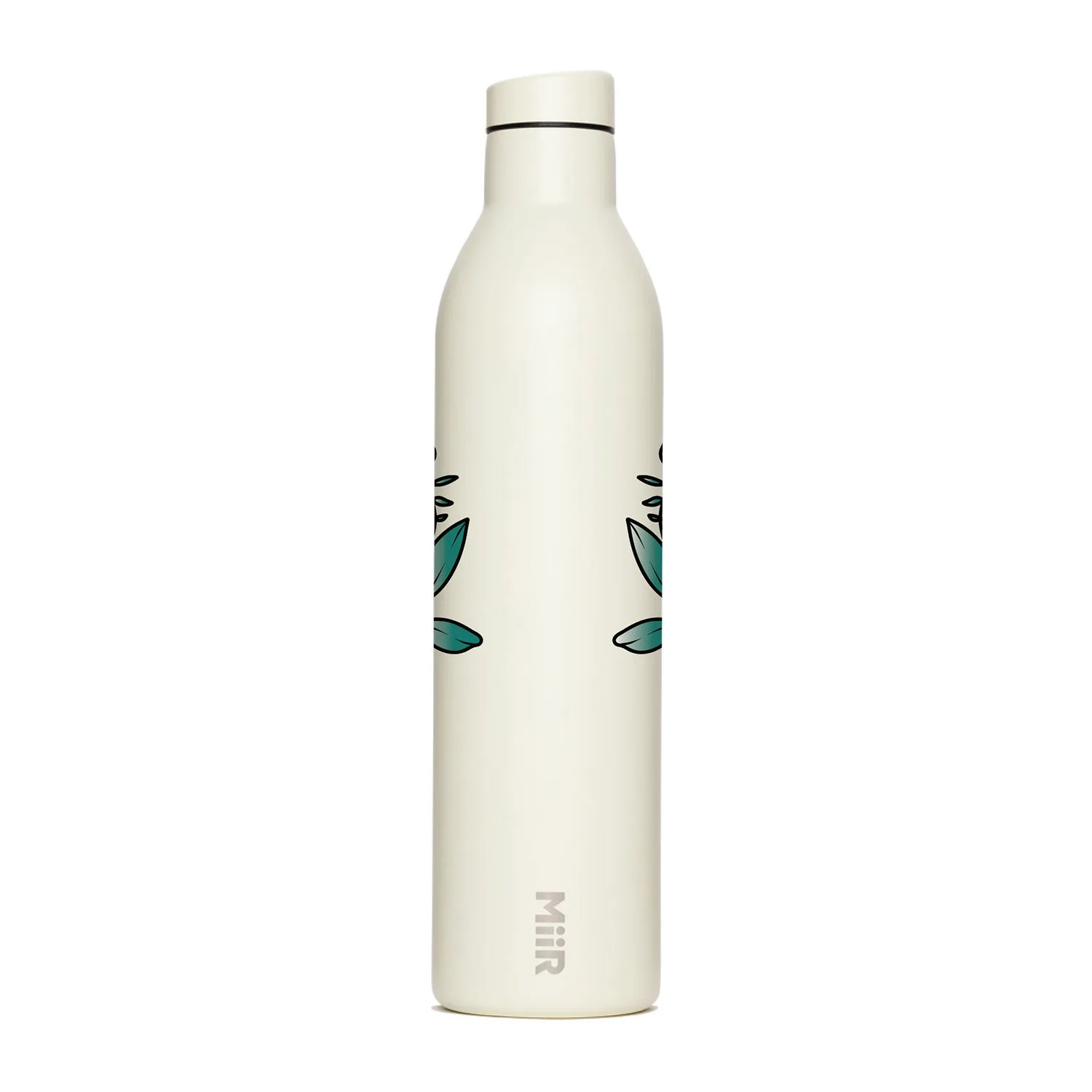
- 23oz Vacuum Insulated Bottle: The 23oz Narrow Mouth stainless steel water bottle uses double wall vacuum insulation and a leakproof lid, with a twist, eye ring handle for carrying. Double wall vacuum insulation is exactly the feature that fails when a tumbler sweats, so this bottle is a direct replacement if your current tumbler has lost its vacuum. The handle also makes it easier to carry than a bare tumbler.
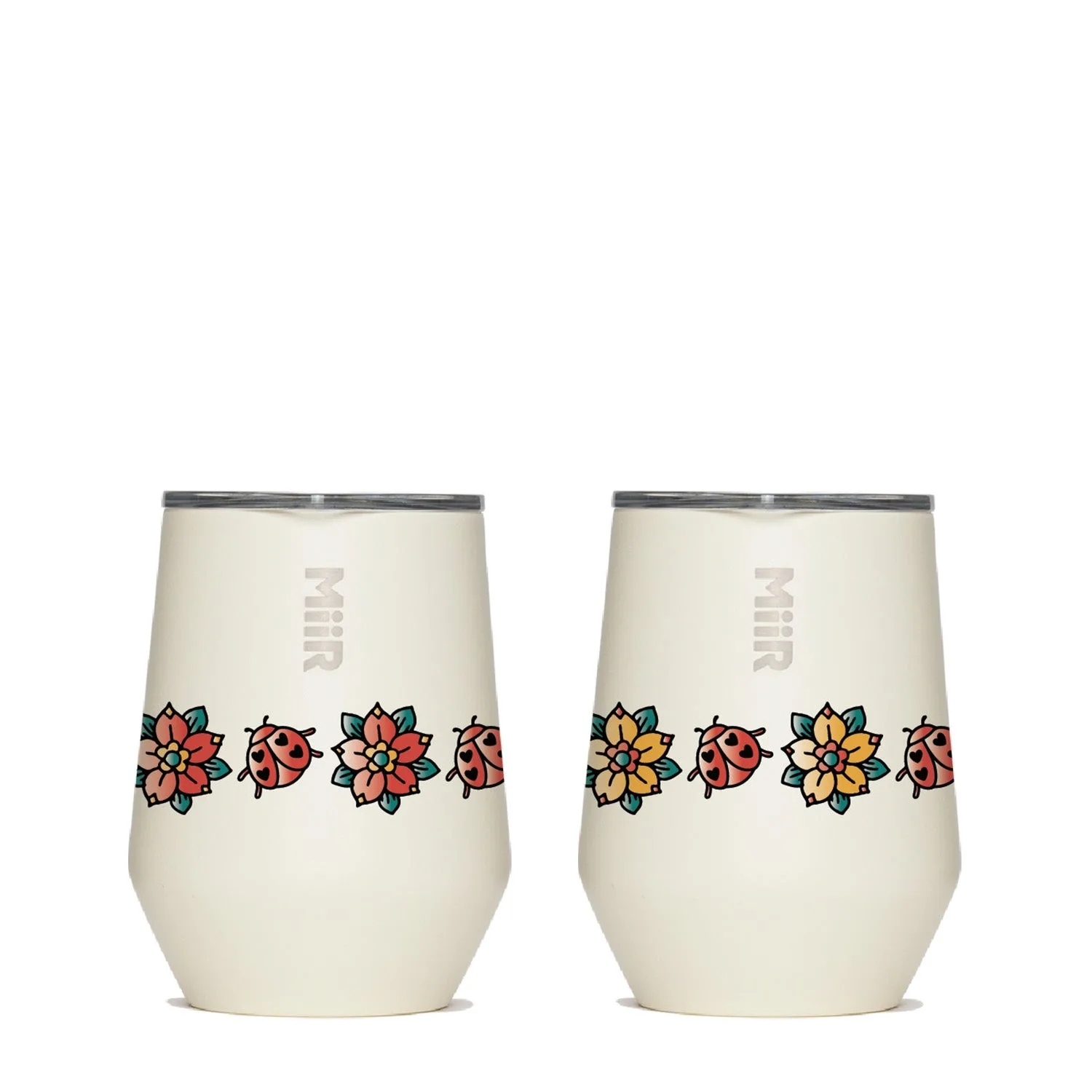
- 10oz Tumbler: The 10oz Tumbler is designed for chilled rosé, sparkling water, and beer, with hand wash recommended and only the lid top rack dishwasher safe. If your sweating problem is limited to cold drinks and you want a tumbler for wine or beer, this is the size and shape for it. The care instructions also show why hand washing is the safer routine for vacuum drinkware.
- Climate+ Tumbler: The 16oz Climate+ Tumbler is made with 25% less stainless steel than traditional tumblers and zero virgin plastic. If you are replacing a failed tumbler and want to reduce material use, this model delivers the same tumbler format with less stainless steel and no virgin plastic.