Quick answer
Yellow stains on undershirts are usually a buildup of sweat proteins, body oils, and antiperspirant residue that oxidize in the wash and over time. Treat the stain before washing with an oxygen-based cleaner, skip chlorine bleach on protein stains, and wash in warm water with a gentle cycle. If the fabric is already stiff, gray, or torn at the underarm, replace it instead of treating it again.
What actually causes yellow pit stains
Fresh sweat is mostly water and salts, so it rinses out easily. The yellow color appears when two things happen at once: the aluminum compounds in antiperspirant bind to sweat proteins and body oils in the fabric, and those residues oxidize over time. Heat makes it worse, which is why a shirt that sits in a hamper for a week often looks worse than one washed the same day.
This is also why the stain concentrates in the underarm rather than spreading evenly. The underarm is where antiperspirant sits directly against the cloth, where friction pushes residue into the weave, and where the fabric stays damp longest.
How to remove sweat stains from undershirts
Treat the stain before it goes in the machine. Mix a scoop of oxygen-based bleach powder in warm water, submerge the underarm area, and let it soak for 30 to 60 minutes. Then rub the fabric against itself, not with a stiff brush, and wash as usual. Oxygen bleach breaks down protein and oil residue without the fabric damage that chlorine bleach causes.
Avoid chlorine bleach on yellowed underarms. It can set protein stains and weaken cotton fibers, which leads to small holes and a gray cast over time. If you use a stain spray, choose an enzyme-based formula and give it at least 15 minutes to work before washing.
- Soak in oxygen bleach and warm water for 30-60 minutes before washing.
- Skip chlorine bleach on sweat stains; it can set the yellow and weaken cotton.
- Wash warm on a gentle cycle with like colors, then tumble dry low.
- Never iron a stained underarm; heat locks the residue in.
Prevent undershirt discoloration before it starts
The single biggest change is washing undershirts after every wear, not every second or third wear. Sweat residue that sits for days oxidizes faster. If you can't wash immediately, hang the shirt to dry instead of dropping it in a closed hamper.
Rotate more shirts than you think you need. A three-pack worn on a strict rotation gives each shirt time to be washed and fully dried between wears, which slows the buildup that leads to yellowing. It also spreads the wear across the fabric instead of concentrating it on one shirt.
Let antiperspirant dry completely before you put on the undershirt. Applying it to damp skin and dressing immediately pushes more product into the fabric. If you use a heavy antiperspirant at night, wear a dedicated sleep shirt rather than your everyday undershirts.
When to stop treating and replace the shirt
There is a point where treatment stops being worth it. If the underarm is stiff even after soaking, if the fabric has thinned to the point where you can see light through it, or if the yellow has spread beyond the pit area, the shirt is done. Continuing to treat it wastes time and can weaken the fabric further.
The same goes for odor that returns within minutes of wearing. That usually means residue has bonded deep in the fibers, and no home wash will fully remove it. Replace the shirt and put the effort into prevention instead.
Diagnose your yellow stain before you treat it
- Symptom: pale yellow, soft fabric, fresh stain: This is surface residue from antiperspirant and sweat that hasn't fully oxidized yet. Soak in oxygen bleach and warm water for 30 minutes, then wash warm on a gentle cycle. Treat now. This stage is the easiest to reverse.
- Symptom: deep yellow or orange, fabric still flexible: The residue has bonded to the fibers over multiple wears. Extend the oxygen bleach soak to 60 minutes, agitate gently by hand, and repeat once if needed before washing. One repeat treatment is reasonable. If it doesn't lift, stop.
- Symptom: stiff underarm, gray cast, thin or torn fabric: The cotton fibers are damaged, not just stained. No wash will restore them, and further treatment can create holes. Replace the shirt and focus on washing after every wear with the next one.
Undershirts built to handle repeat washing
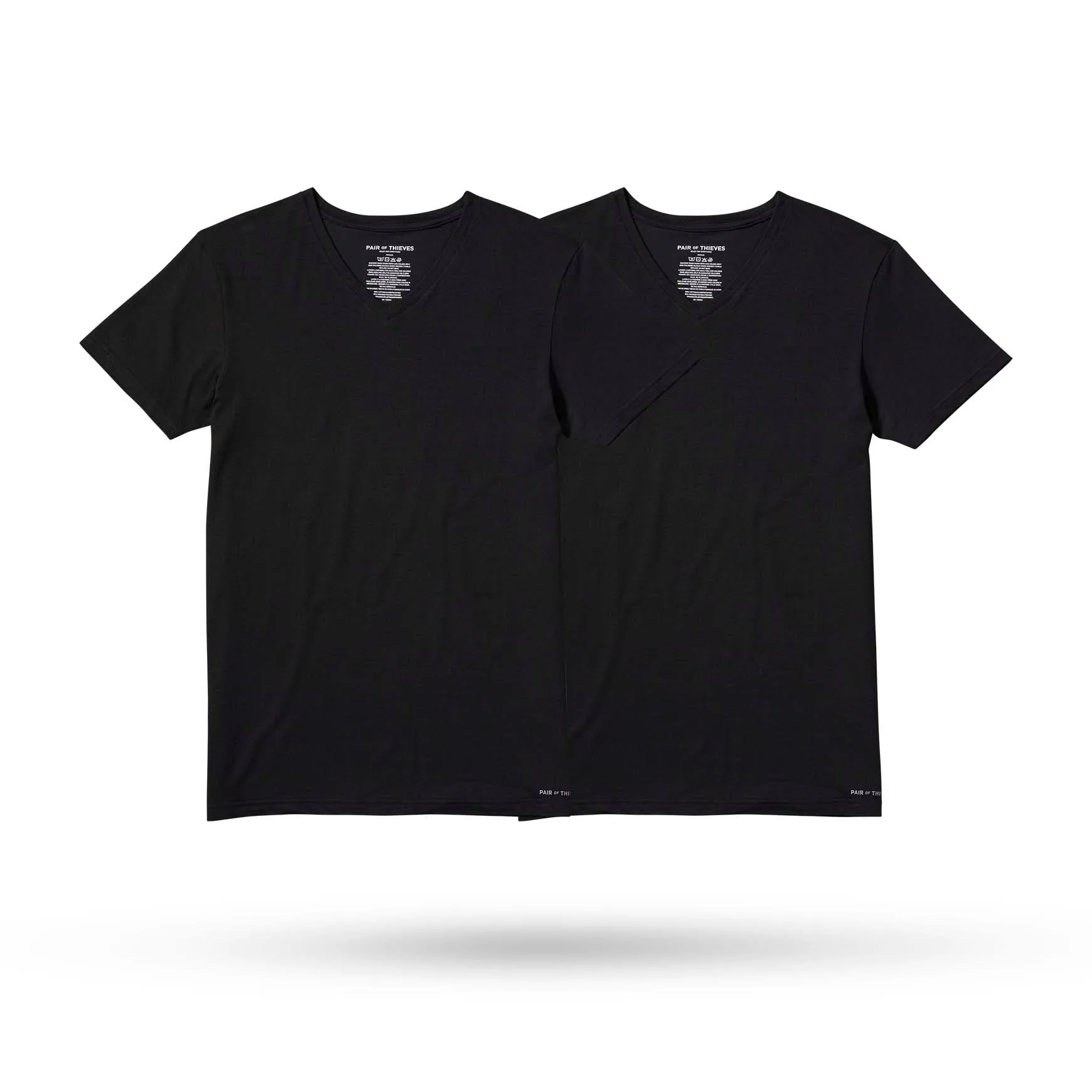
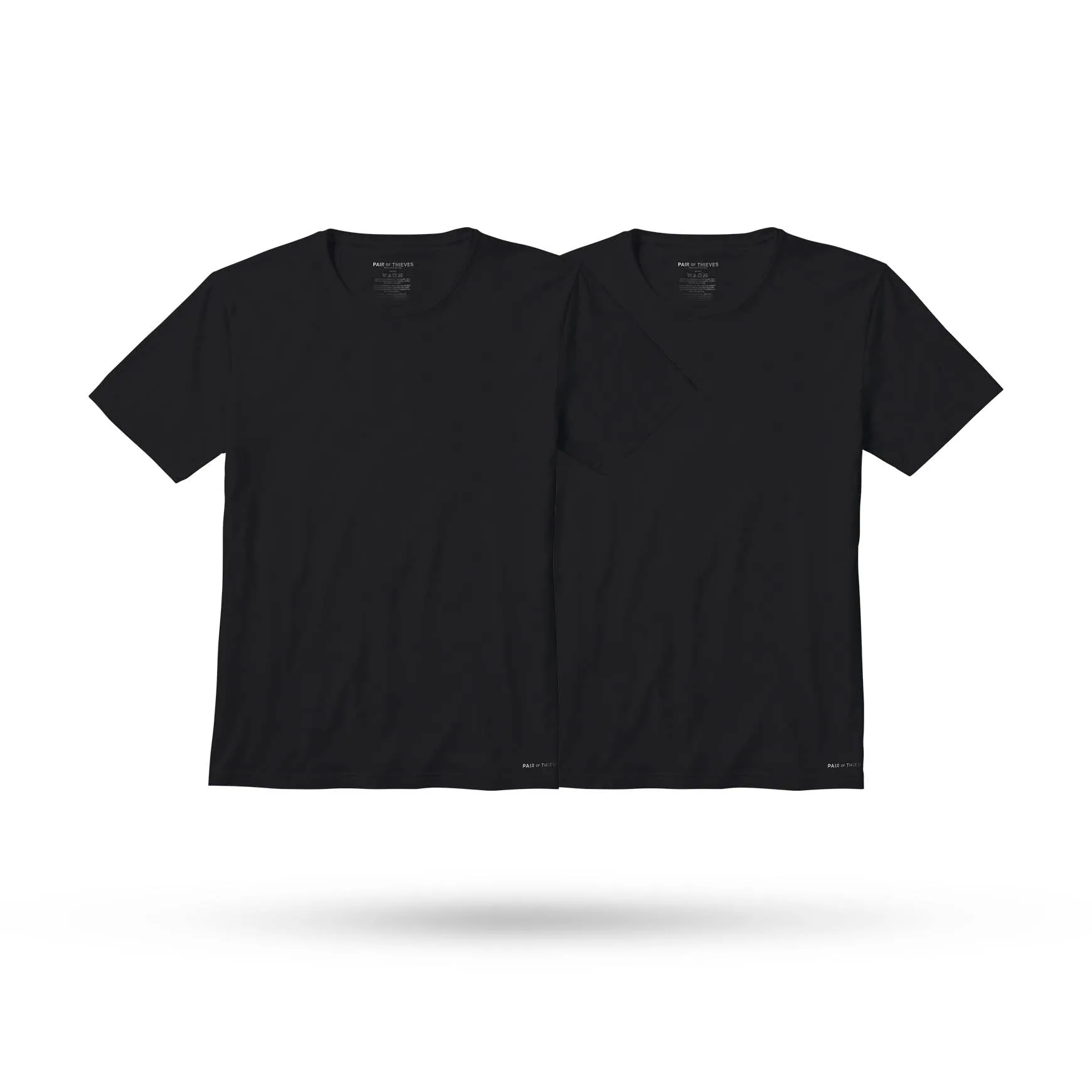
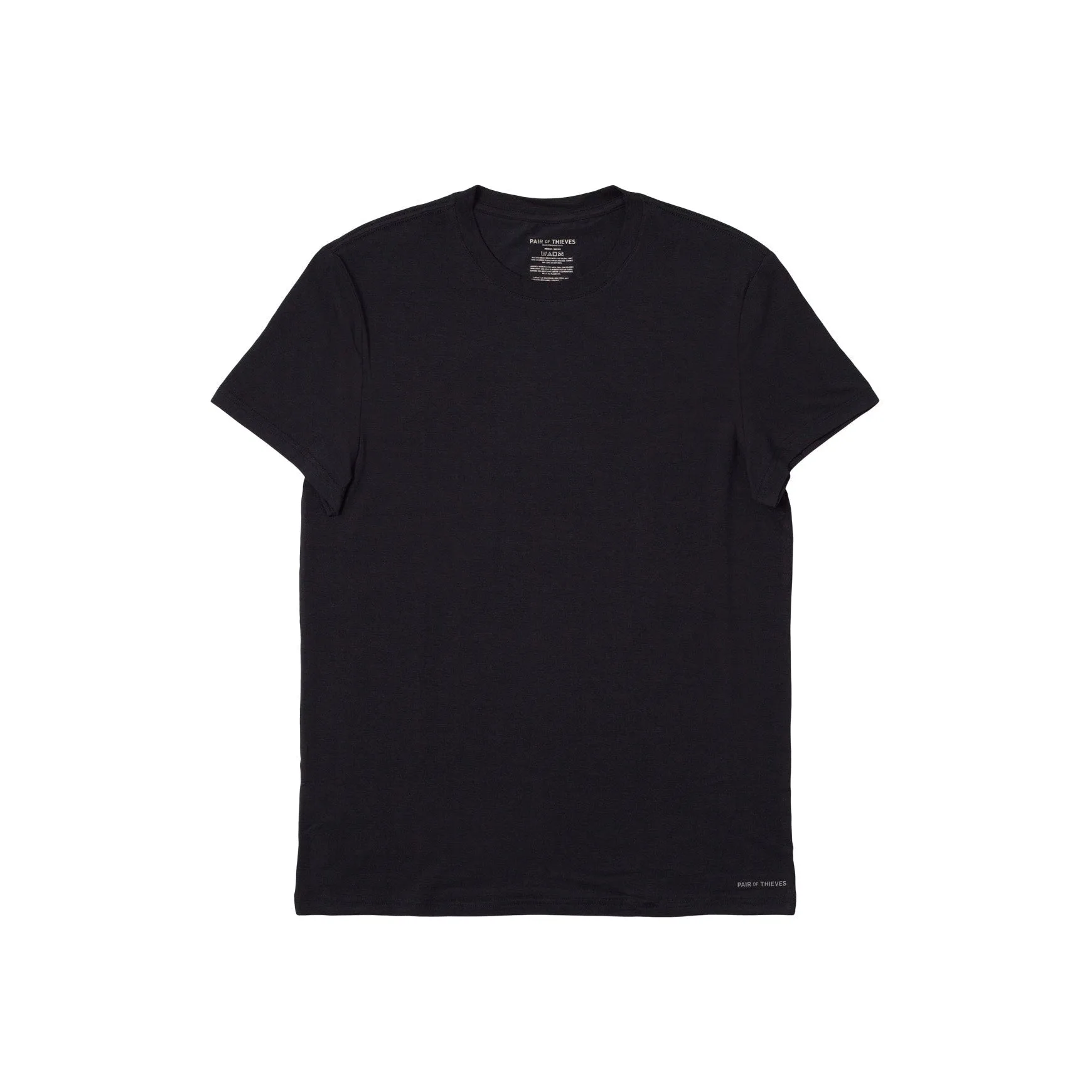
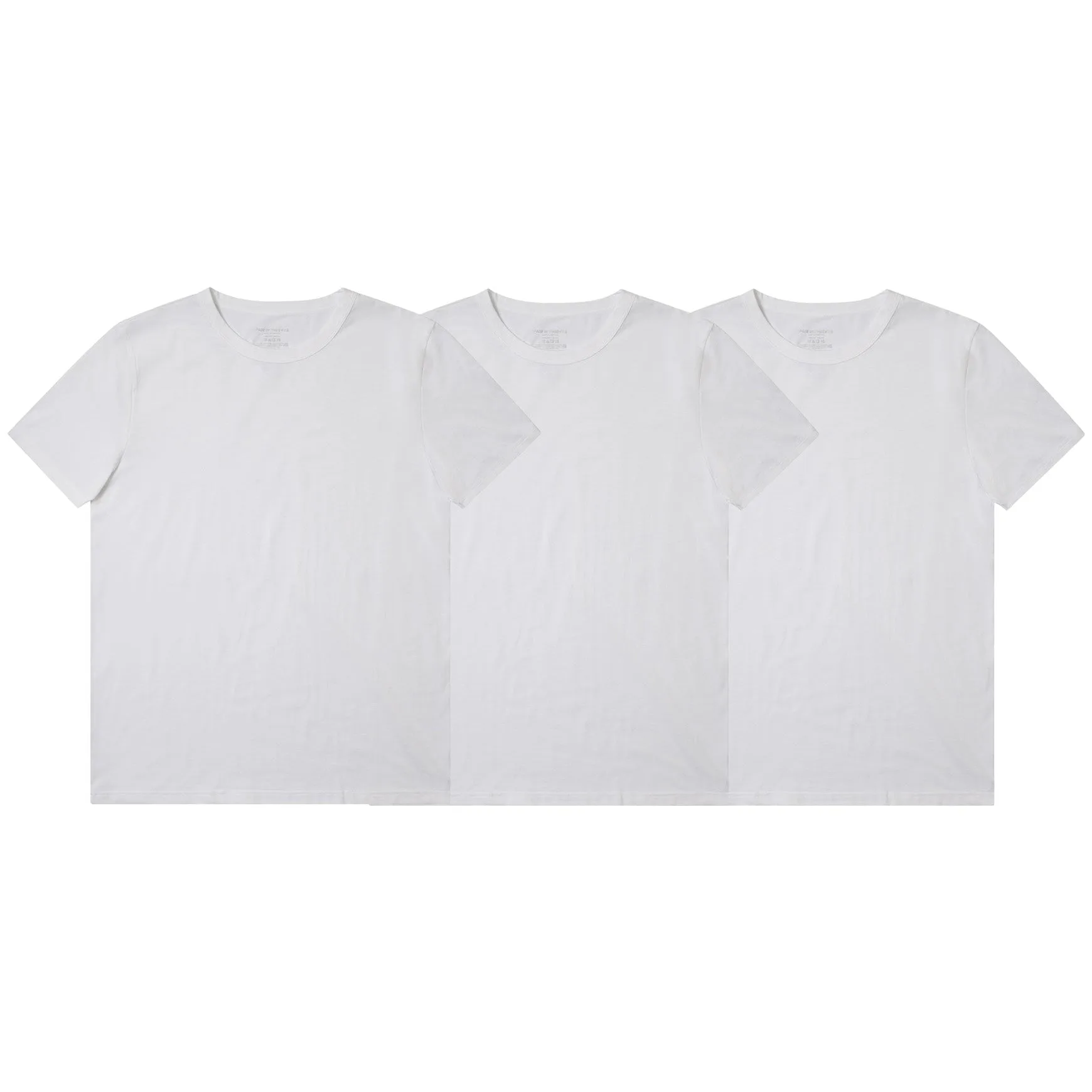
- Superiair Crew Neck Undershirt (3-Pack): This 100% cotton undershirt is durable, soft, and breathable, and it holds its shape with Stay-Fab fabrics featuring strong ring spun yarns and torque-tuff side seams. A shirt that holds its shape after repeated washing is less likely to stretch out at the underarm, where yellowing and thinning usually start. The cotton construction also means you can use oxygen-based treatments without worrying about delicate synthetic fibers.