Quick Answer
If your underwire hurts your ribs, the band is almost always too loose, which lets the wire shift and press instead of staying anchored. Tighten the band to the loosest hook that stays put, then adjust straps so they lift without digging. If pain persists after those two fixes, the cup size or wire shape is wrong for your body, and you should switch styles rather than keep adjusting.
Why the Band, Not the Wire, Causes Most Rib Pain
An underwire is designed to sit flat against your ribcage and stay there. When the band is too loose, the wire migrates upward onto softer tissue and the ends poke. A band that rides up in back is the clearest sign: it means the band isn't gripping your torso, so the front wire takes the pressure instead. Before you blame the wire, fasten the band on the loosest hook and check whether it stays level all the way around. If it climbs, go down a band size or tighten to a firmer hook.
Symptom Check: Cup Gap, Strap Dig, and Wire Poke
Cup gaping at the top usually means the cup is too large or too tall for your breast shape, not that you need a smaller band. If the gap appears only on one side, that's normal asymmetry and a cup that fits the larger side with a slight adjustment on the smaller side is the practical fix. Strap dig into shoulders often happens when the band is doing too little work, so the straps carry the weight; shortening them further won't help and can cause shoulder grooves. Wire poke at the center or under the arm usually means the wire is too narrow or too wide for your ribcage, which is a shape mismatch you can't adjust away.
How to Adjust Straps Without Creating New Problems
Adjust straps only after the band is set. Tighten each strap just until it lies flat against your shoulder without indenting the skin. If you can slide two fingers under the strap comfortably, that's usually the right tension. Straps that are too tight pull the band up in back, which recreates the original rib pain. Straps that are too loose let the cups droop and the wire tilt forward. Recheck after 10 minutes of wear, since straps can settle once the fabric warms.
When to Stop Adjusting and Choose a Different Style
If you've set the band level, adjusted straps correctly, and the wire still digs into your ribs or underarm, the bra's wire shape doesn't match your body. No amount of hook-and-strap adjustment will fix a wire that's the wrong width or height. At that point, look for a different silhouette. A bodysuit with underwire cups, like the KILO BRAVA LACE COLLECTION- BLACK- UNDERWIRE BODYSUIT, distributes tension through the torso rather than relying only on a band, which can reduce rib pressure for some wearers. If you prefer a wire-free option, a high-leg bikini or g-string removes the underwire entirely and shifts support to the waistband.
Symptom, Cause, Fix, and Stop Point
- Wire digs into ribs under the cups: The band is too loose, so the wire slides up onto softer tissue. Fasten on the loosest hook and check if the band stays level. If it rides up, tighten to a firmer hook or go down a band size. If the band stays level and the pain stops, you've fixed it. If the wire still digs, the cup or wire shape is wrong.
- Band rides up in back: A band that climbs means it isn't gripping your torso. Shortening the straps makes this worse. Instead, move to a smaller band size and use a band extender if the next size down feels too tight at first. Stop adjusting straps if the band still climbs. The band size is the problem, not the strap length.
- Cups gap at the top or sides: Gaping usually means the cup is too tall or too large for your shape. Try a cup with a lower neckline or a different wire width. If gaping is only on one side, fit to the larger side and adjust the smaller strap slightly tighter. If gaping persists across two cup sizes, switch to a different bra style rather than continuing to size down.
- Sore shoulders from strap pressure: Straps hurt when they're doing the band's job. Set the band first, then tighten straps only until they lie flat without indenting. Two fingers should slide under comfortably. If shoulders still ache after correct band and strap tension, the bra's support structure isn't right for you. Try a bodysuit or wire-free style.
Product Facts That Matter for Fit
- KILO BRAVA LACE COLLECTION- BLACK- UNDERWIRE BODYSUIT: Crafted from stretch eyelash lace and mesh with supportive underwire cups and adjustable straps for a customized fit, plus a thong back and retro high-leg silhouette. The adjustable straps let you fine-tune tension after the band is set, and the high-leg cut sits away from the ribcage, which can ease pressure if a traditional bra band digs in.
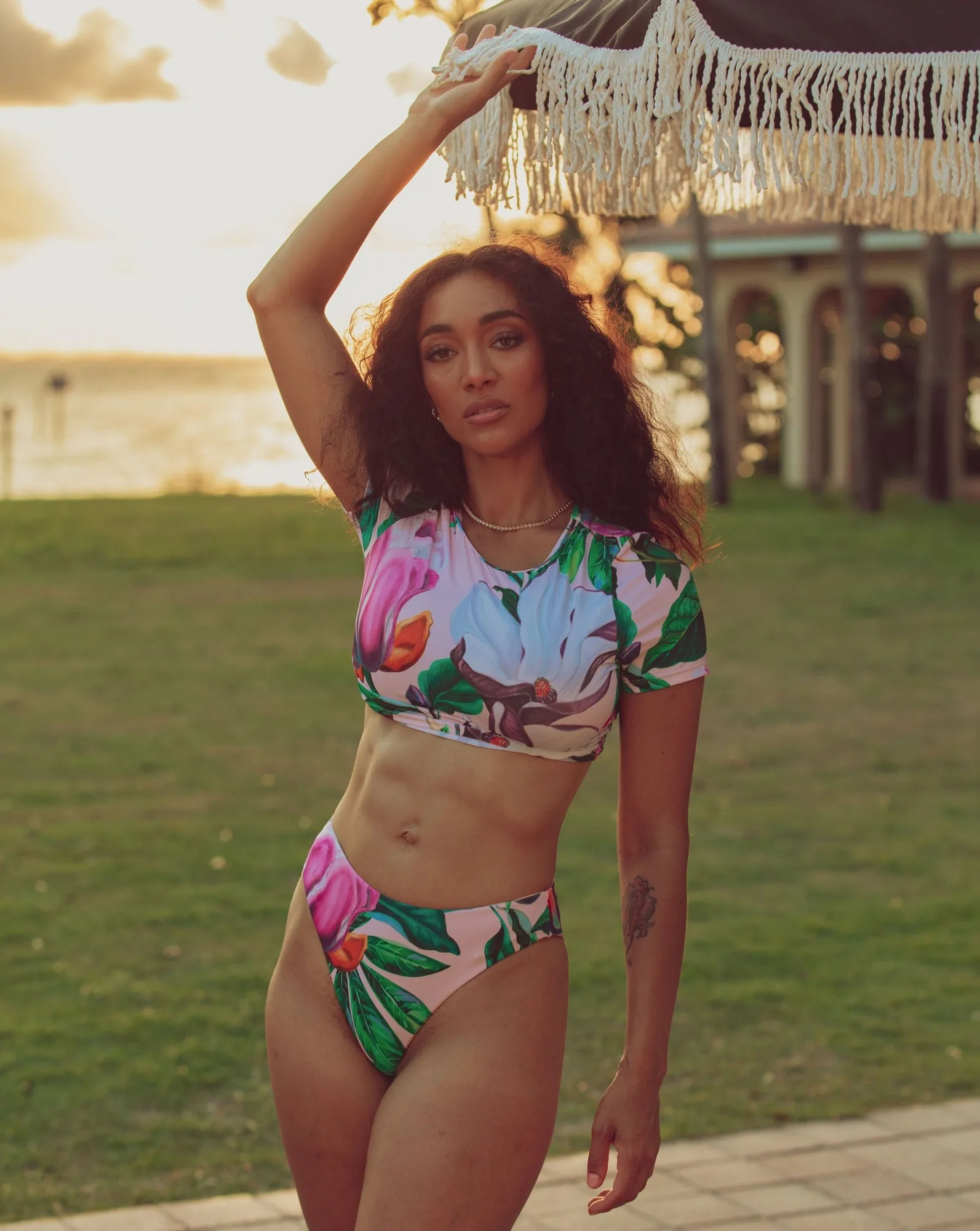
- KILO BRAVA LADY OF THE SEAS - HIGH LEG BIKINI: https://kilobravaeun.com/products/copy-of-high-leg-bikini-0964eb08beb0f4af4b32a04b-1421358https://kilobravaeun.com/products/high-leg-bikini-1-419d8e802bf52e9e03bf4df6-1421361High Leg Bikini made with soft Modal rib fabric, digitally printed, with lace detail at the waist and a vintage-inspired rosette bow at center. A wire-free high-leg option is a practical alternative when underwire pain won't resolve with adjustment, because support comes from the waistband rather than a wire.
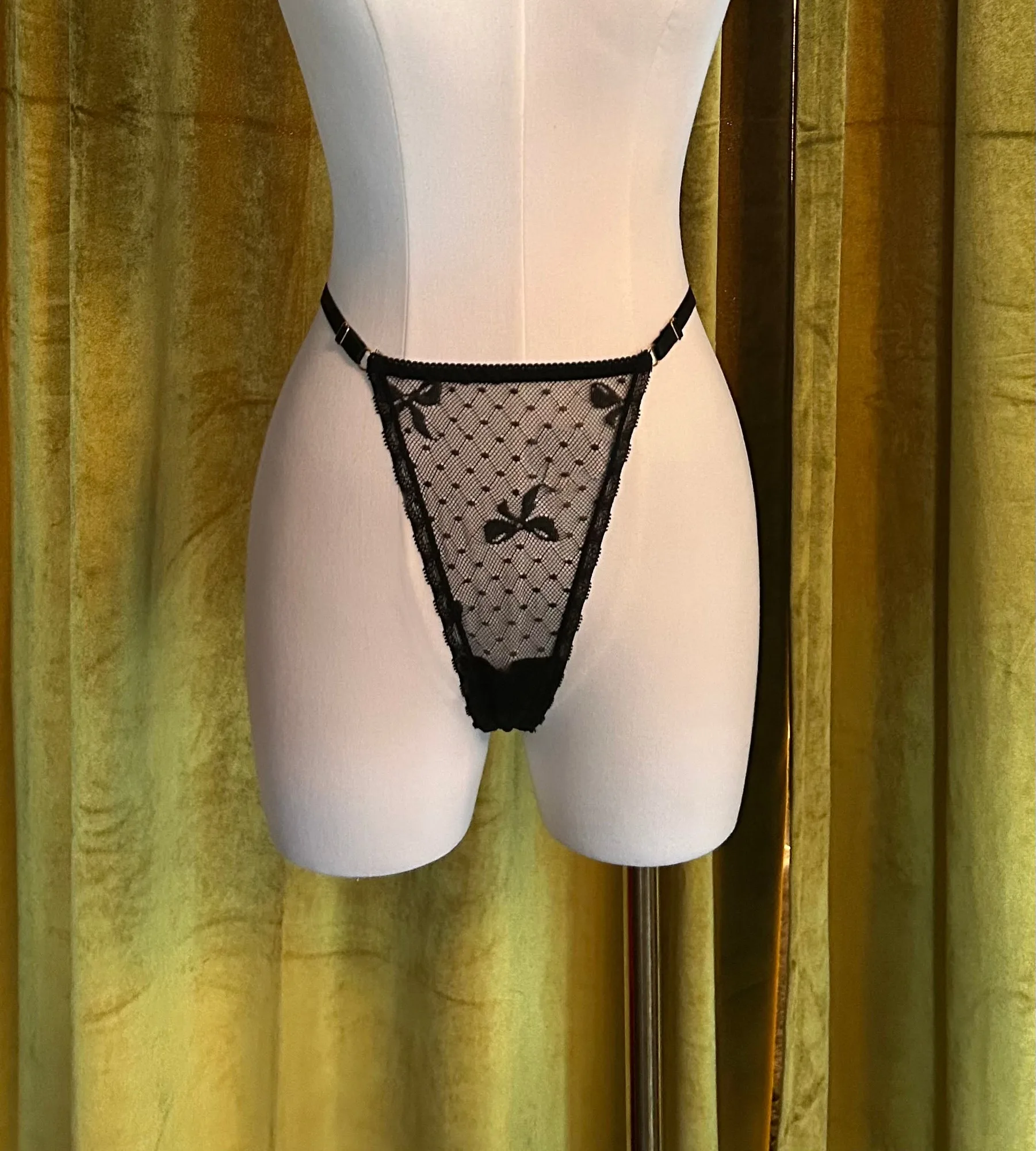
- KILO BRAVA BLACK BOW MESH - G-STRING: G-string in black bow mesh fabric with a cotton gusset, available in sizes S, L, XL, XXL, and XXXL. If you're rebuilding your underwear drawer around wire-free comfort, this g-string pairs with a matching babydoll and gives you a no-wire base layer for days when a bra feels like too much.