Quick Answer
If your baby won't eat from a spoon, it's often due to developmental readiness, sensory preferences, or a desire for independence. Try offering finger foods, adjusting the spoon's texture or temperature, and giving your baby a chance to self-feed. Products like the ezpz Tiny Spoon and Tiny Plate can support this transition.
Tiny Plate
Mealtime with a baby can be messy, stressful, and sometimes puzzling, especially when your little one refuses the spoon. You've pureed the veggies, bought the cute spoons, and yet your baby turns away, clamps their mouth shut, or flings the spoon across the room. If this sounds familiar, you're not alone. Many parents face this feeding struggle, and it's often a normal part of your baby's development.
In this article, we'll explore the common reasons behind spoon refusal, offer practical solutions to help you navigate this phase, and highlight products that can make spoon feeding and self-feeding easier for both you and your baby.
Common Reasons Your Baby Refuses the Spoon
Before you can solve the problem, it helps to understand why your baby might be rejecting the spoon. One of the most common reasons is a desire for independence. Around 8-10 months, babies begin to assert their autonomy and want to feed themselves. They may grab the spoon from your hand or refuse to open their mouth because they want to do it their way.
Another reason could be sensory sensitivity. The texture, temperature, or taste of the food might be off-putting. Some babies are particularly sensitive to the feel of a metal spoon against their gums or teeth. Additionally, teething discomfort can make spoon feeding painful, leading to refusal. Lastly, your baby might simply not be hungry or may be distracted by their surroundings.
- Desire for independence: Your baby wants to self-feed.
- Sensory issues: The spoon's material or food texture is uncomfortable.
- Teething pain: Sore gums make eating unpleasant.
- Distraction or tiredness: Your baby is not focused on eating.
Practical Solutions to Encourage Spoon Feeding
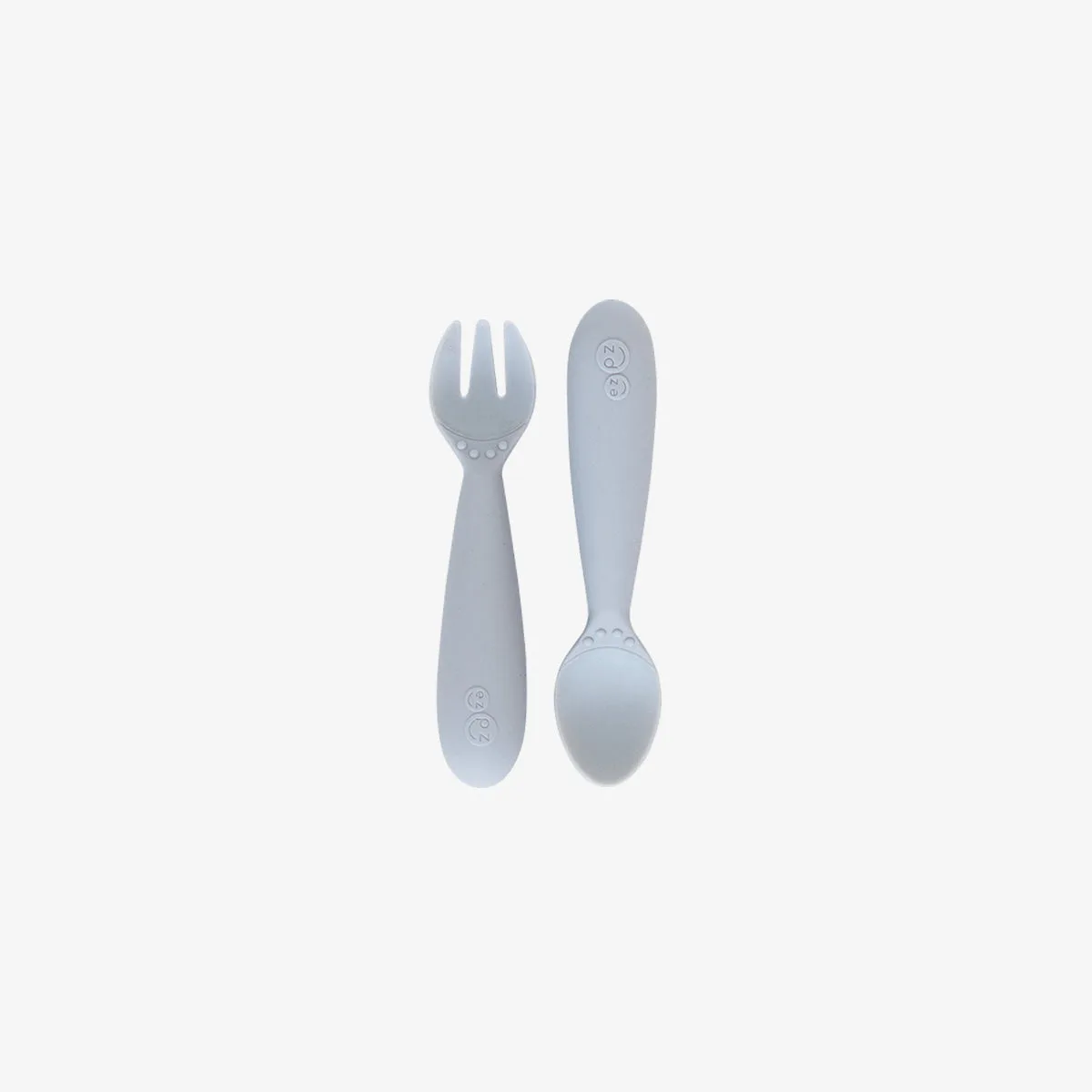
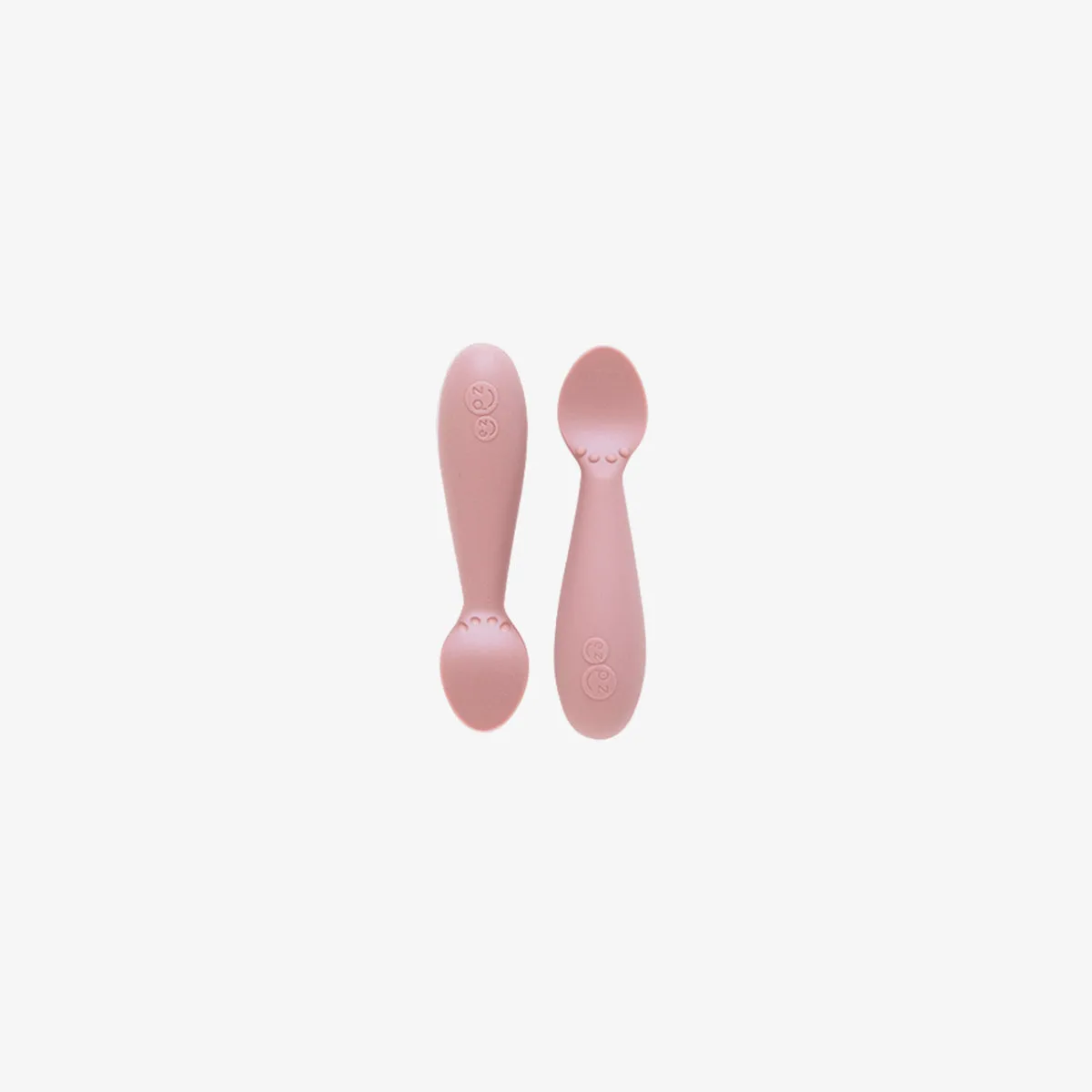
Start by offering a variety of spoon textures. Silicone spoons are gentle on sensitive gums and are often more appealing than metal ones. The https://ezpzfunez.com/products/tiny-spoon-twin-pack-5-pack-7e8be934dd0ca77732c59329-577005Baby-Led™ Tiny Spoons (5-Pack) are designed with a soft, flexible tip that is gentle on baby's mouth, making them a great option for babies who are sensitive to traditional spoons.
Another effective strategy is to let your baby take the lead. Offer a pre-loaded spoon and let them grab it and guide it to their mouth. This gives them a sense of control and can reduce resistance. You can also try offering finger foods alongside spoon-fed purees. This allows your baby to explore different textures and practice self-feeding, which can increase their interest in mealtime.
Create a positive mealtime environment by minimizing distractions. Turn off the TV, put away toys, and sit down with your baby during meals. Make eye contact, smile, and talk to them about the food. If your baby is teething, offer a chilled spoon or a teether before the meal to soothe their gums. Finally, be patient and don't force it. Sometimes a short break from spoon feeding can help reset your baby's attitude.
- Offer a pre-loaded spoon and let your baby self-feed.
- Mix spoon-fed purees with finger foods for variety.
- Use a silicone spoon to be gentle on gums.
- Minimize distractions and make mealtime calm and positive.
When to Consider a Different Approach
If your baby continues to refuse the spoon despite your efforts, it might be time to consider a different feeding approach. Baby-led weaning (BLW) is a popular method where babies feed themselves soft finger foods from the start, skipping purees and spoon feeding altogether. This approach can be empowering for babies and may reduce mealtime battles.
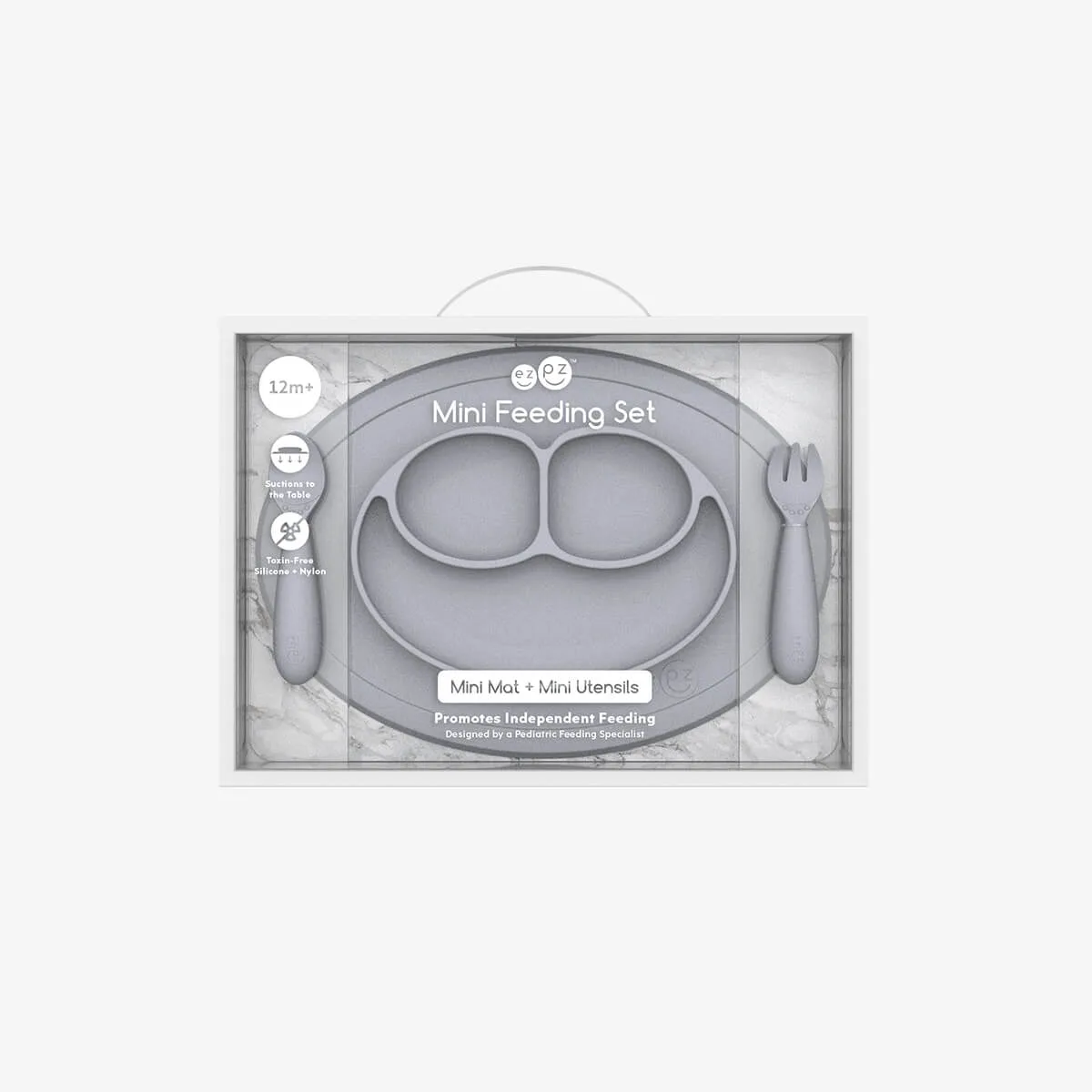
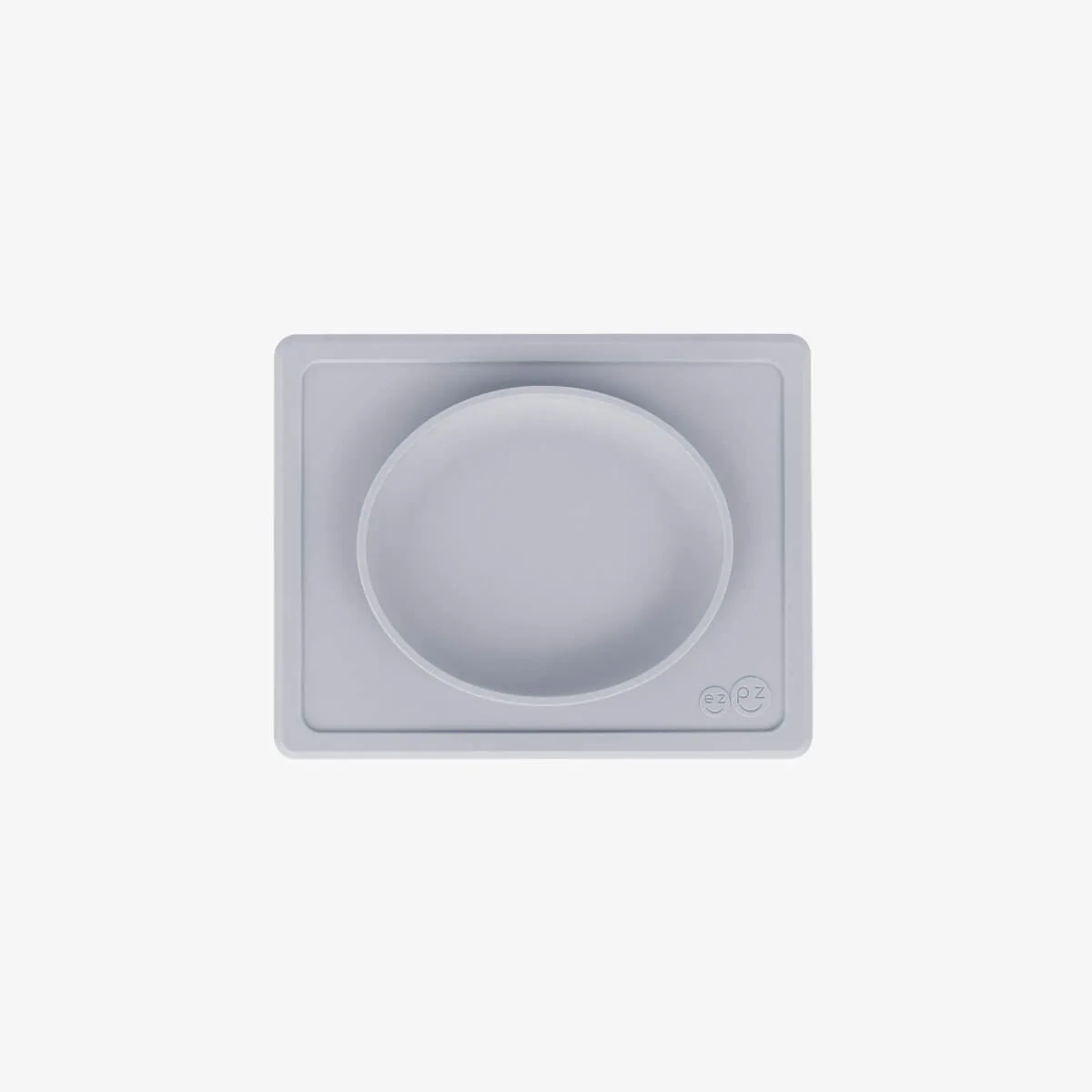
If you're interested in BLW, you'll need appropriate products to support this method. The Tiny Plate is designed with an open plate that encourages self-feeding and utensil use, making it perfect for both traditional purees and BLW strips. Its suction base helps keep the plate in place, reducing mess and frustration.
However, BLW isn't for everyone. If you have concerns about your baby's eating habits, weight gain, or developmental readiness, it's always a good idea to consult your pediatrician. They can provide personalized advice and rule out any underlying issues.
- Baby-led weaning may be an alternative to traditional spoon feeding.
- Consult your pediatrician if you have concerns about your baby's nutrition or development.
Diagnosis Guide: Why Your Baby Won't Eat from a Spoon
- Symptom: Your baby turns their head away, clamps their mouth shut, or cries when you offer the spoon. This is a common feeding struggle that many parents face.
- Likely Cause: Your baby may be asserting independence, experiencing sensory discomfort, or teething. Observation can help you pinpoint the cause.
- Corrective Action: Offer a silicone spoon, let your baby self-feed, and create a calm mealtime environment. Try these strategies for a few days and see if there's improvement.
- When to Stop or Choose Another Option: If the refusal persists and you're concerned about nutrition, consult your pediatrician or consider baby-led weaning. Your baby's health and your peace of mind are the top priorities.
Products That Support Spoon Feeding and Self-Feeding
- Baby-Led™ Tiny Spoons (5-Pack): The Tiny Spoon has unique features that make it the most functional, developmentally appropriate infant spoon on the market. Its design helps babies learn to self-feed independently, making the transition to solid foods smoother.
- Tiny Plate: The Tiny Plate provides an open plate design to promote self-feeding + utensil use. The plate supports the traditional method of feeding (purées), as well as the baby-led weaning method of feeding (baby-led strips of food). This versatile plate adapts to your feeding style, encouraging your baby to explore food and practice using utensils.
Remember, every baby is different, and feeding struggles are a temporary phase for many. Patience, flexibility, and the right tools can make a world of difference. If you're looking for feeding products that support your baby's development, explore the Tiny Plate and other expert-designed options from our store to help your little one on their journey to mealtime independence.