Quick Answer
If your glow-in-the-dark puzzle doesn't glow, it's usually because it hasn't been 'charged' with enough light. Place it under a bright light source (direct sunlight or a 40-watt UV bulb) for 10–30 minutes, then move to a dark room. If it still doesn't glow, check for a protective film or residue on the surface.
Glow-in-the-dark puzzles add a magical twist to family game night, but it's frustrating when the glow falls flat. Before you assume the puzzle is defective, know that most glow issues stem from simple charging mistakes or surface care problems.
This guide walks you through the most common reasons a glow puzzle stays dark and gives you step-by-step fixes to get it shining again.
Not Enough Light Exposure
Glow-in-the-dark materials work by absorbing light energy and releasing it slowly. If your puzzle is kept in a dim room or only exposed to weak indoor lighting, it won't store enough energy to glow visibly. The solution is to 'charge' the puzzle under a strong light source.
Place the puzzle directly under a bright LED or incandescent bulb for 10–30 minutes. For best results, use a UV black light or take it outside in direct sunlight for a few minutes (avoid prolonged exposure to prevent fading). The longer and stronger the charge, the brighter and longer the glow.
- Use a 40-watt bulb or higher for effective charging.
- Charge in a dark room after exposing to light for maximum effect.
Wrong Light Source
Not all light sources charge glow pigments equally. Fluorescent and LED lights work, but UV light (black light) is most efficient. If you're using a dim energy-saving bulb, the charge may be too weak.
Try a dedicated UV flashlight or black light bulb for a few minutes. You'll often see an immediate improvement. Keep in mind that some glow pigments are more sensitive to certain wavelengths, so experimenting with light types can make a big difference.
- UV light charges glow pigments faster than regular bulbs.
- Avoid using only phone flashlights—they're usually too weak.
Surface Residue or Film
Sometimes the issue isn't charging but a physical barrier. Puzzles may have a thin protective film or manufacturing residue that blocks light absorption. Also, dust or oils from handling can accumulate, reducing glow performance.
Gently wipe the puzzle surface with a soft, dry microfiber cloth. If you suspect a film, check the product instructions—some puzzles have a peel-off layer. For stubborn residue, lightly dampen the cloth with water (not wet) and wipe, then dry thoroughly before charging.
- Always handle puzzles with clean, dry hands.
- Store puzzles flat to avoid dust accumulation on the glow surface.
Aging or Overuse
Glow pigments degrade over time with repeated charging and exposure to heat or humidity. If your puzzle is old or has been used heavily, its glow may be permanently weaker. This is a natural limitation of the material.
If you've tried charging correctly and cleaning the surface but the glow is still faint, the pigment may be exhausted. At this point, consider replacing the puzzle or using it as a regular puzzle during the day. Some users find that storing it in a cool, dry place slows degradation.
- Avoid storing glow puzzles in hot attics or damp basements.
- For maximum lifespan, keep puzzles away from direct sunlight when not in use.
Diagnosis: Why Your Glow Puzzle Isn't Glowing
- Symptom: No glow after being in the dark all day: The puzzle hasn't been exposed to a strong light source recently. Glow pigments need a recent charge to emit light. Charge the puzzle under a bright light or UV source for 10–30 minutes, then test in a dark room.
- Symptom: Very faint glow that fades quickly: The light source used for charging may be too weak, or the puzzle surface has a residue blocking absorption. Switch to a UV light and clean the surface with a microfiber cloth. If still faint, the pigment may be aging.
- Symptom: No glow even after proper charging and cleaning: The glow pigment may have degraded due to age, heat, or humidity exposure. This is a material limitation. If you've followed all steps and the glow is still absent, consider replacing the puzzle or using it as a standard puzzle. Stop troubleshooting here.
Products That Glow Right
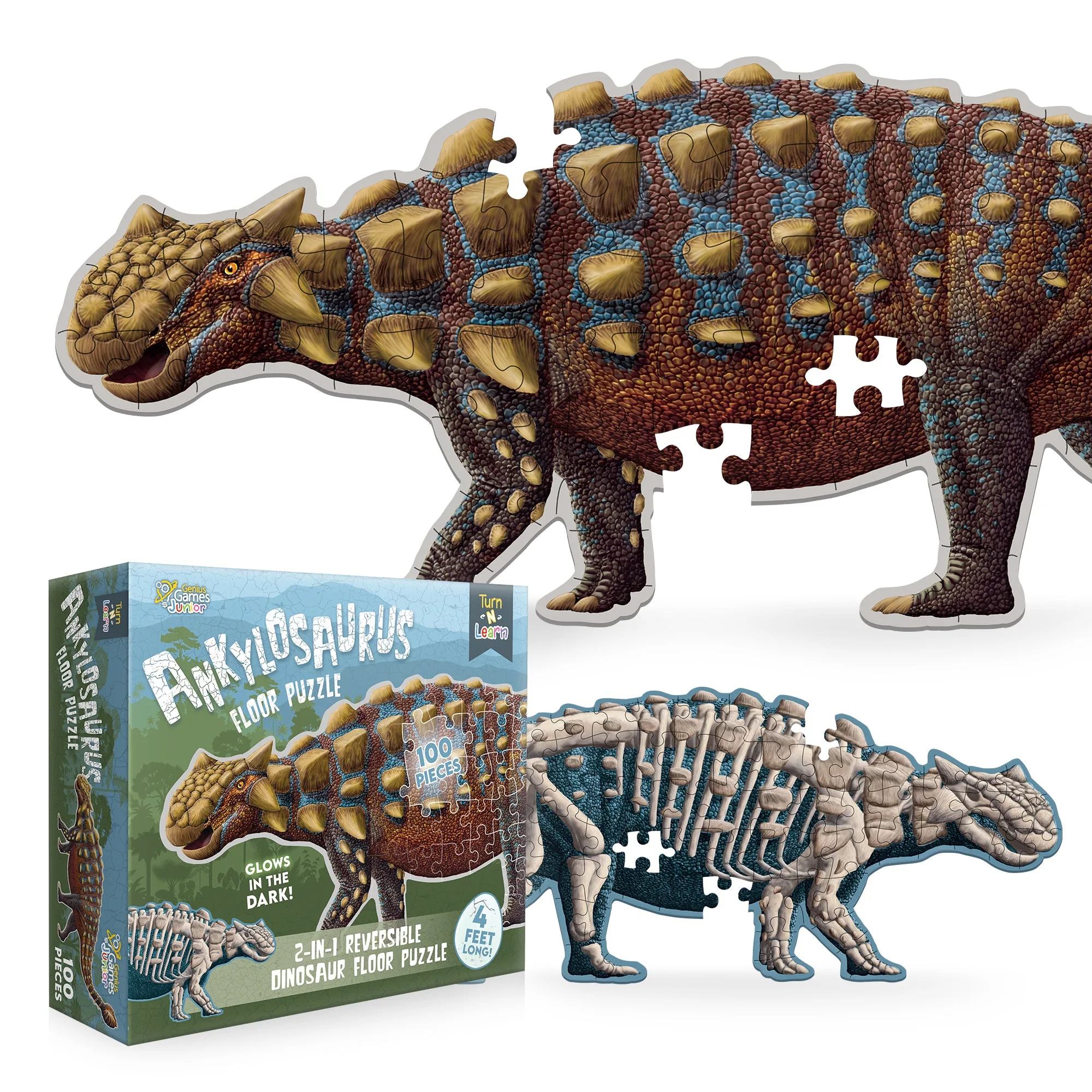
- Ankylosaurus Dinosaur Jigsaw Puzzle - 4FT Double Sided Glow in the Dark Floor Puzzle: Turn N Learn - 100 Piece Ankylosaurus Floor Puzzle for Kids! Includes an Anatomy Reference Guide. 100% Accurate | Double Sided | Glow in the Dark. This puzzle is designed with glow-in-the-dark features on one side, so proper charging will reveal a dinosaur skeleton that glows—perfect for kids who love science and dinosaurs.
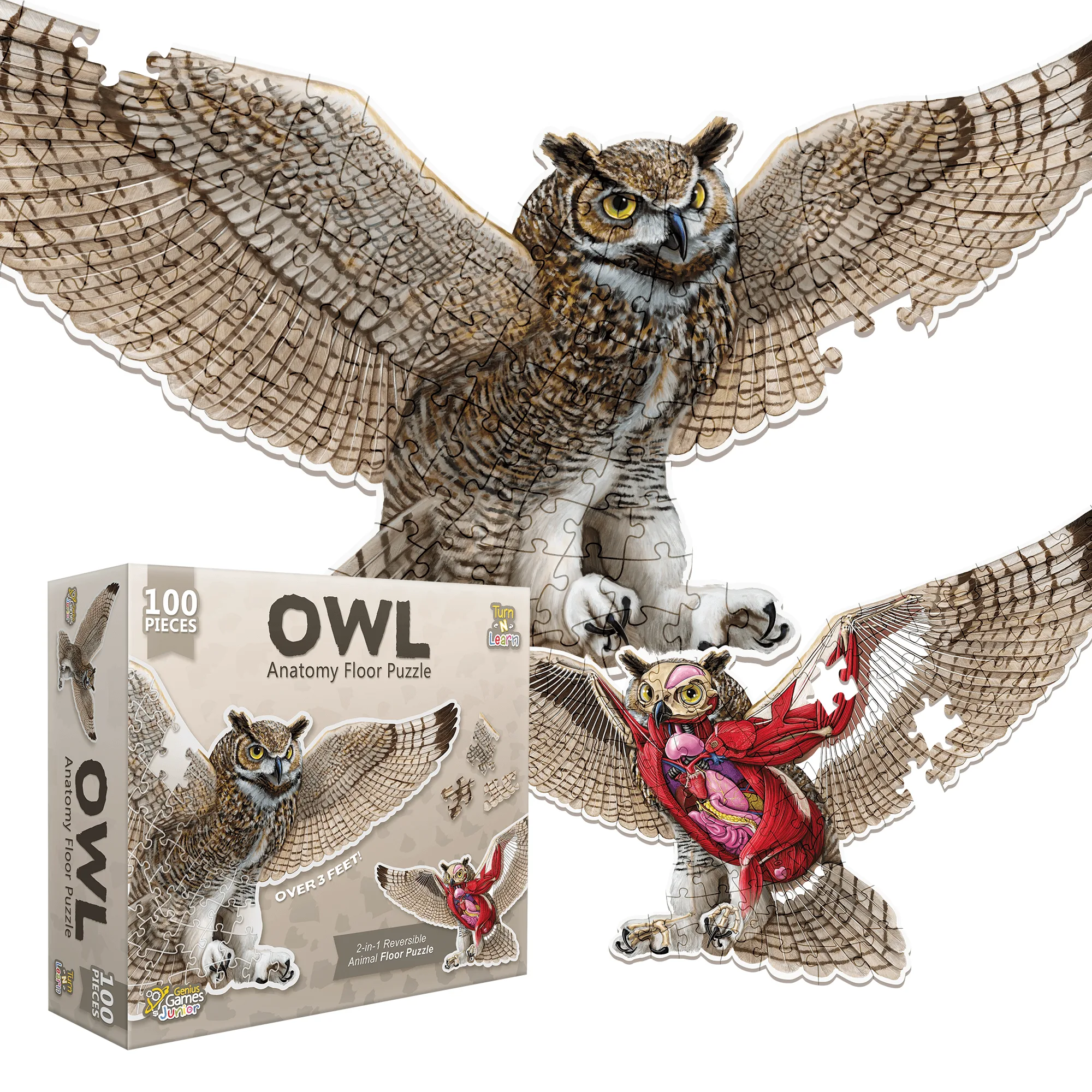
- Owl Jigsaw Puzzle - 4FT Double Sided Floor Puzzle: A 100-Piece Scientifically Accurate Turn N Learn Educational Puzzle for Kids! Includes: Double Sided Puzzle (Inside and Outside of a Owl) Anatomy Guide Fact Sheet. The double-sided feature means you can flip to the anatomy side for a different challenge. The glow effect on the outside side adds an extra layer of engagement for young learners.
With the right charging technique and a little care, your glow-in-the-dark puzzle can provide hours of illuminated fun. Remember to use a strong light source, keep the surface clean, and store it properly to extend its glowing life. If all else fails, it might be time for a new puzzle—and that's a great excuse to explore more science-themed options.