Quick answer
Puppies often refuse dry food due to teething pain, unfamiliar texture, or a too-abrupt switch from wet food. Try softening the kibble with warm water or mixing it with their current food to ease the transition.
Teething and mouth sensitivity
Between 3 and 6 months, puppies lose baby teeth and grow adult ones. This can make chewing hard kibble uncomfortable. If your puppy is drooling more or chewing on everything, teething is likely the culprit.
Texture preference and abrupt switches
Puppies accustomed to soft wet or home-cooked food may find dry kibble unappealing. A sudden switch can cause refusal. Gradual mixing over 7–10 days helps them adjust without digestive upset.
Diagnosis and fix steps
- Symptom: Puppy sniffs the bowl and walks away, or eats only a few pieces. Not all refusal is stubbornness; check for physical discomfort first.
- Likely cause: Teething pain, texture shock, or a too-rapid diet change.
- Corrective action: Soften the kibble with warm water (let it sit 10 minutes) or mix it gradually with their current food over a week. For teething, offer a chilled, soft kibble mash. Try softening first—most puppies respond within 2–3 days.
- Stop or choose another option: If your puppy still refuses after a week of gradual transition and softened kibble, consult your vet to rule out illness or dental issues. Persistent refusal beyond 48 hours without eating warrants a vet visit.
Product facts
-
Dry Puppy Food Rich in Chicken & Rice 10kg: This dry puppy food uses freshly prepared chicken as the first ingredient and includes smaller kibble sizes for little jaws. Smaller kibble is easier for teething puppies to pick up and chew, which can reduce refusal.
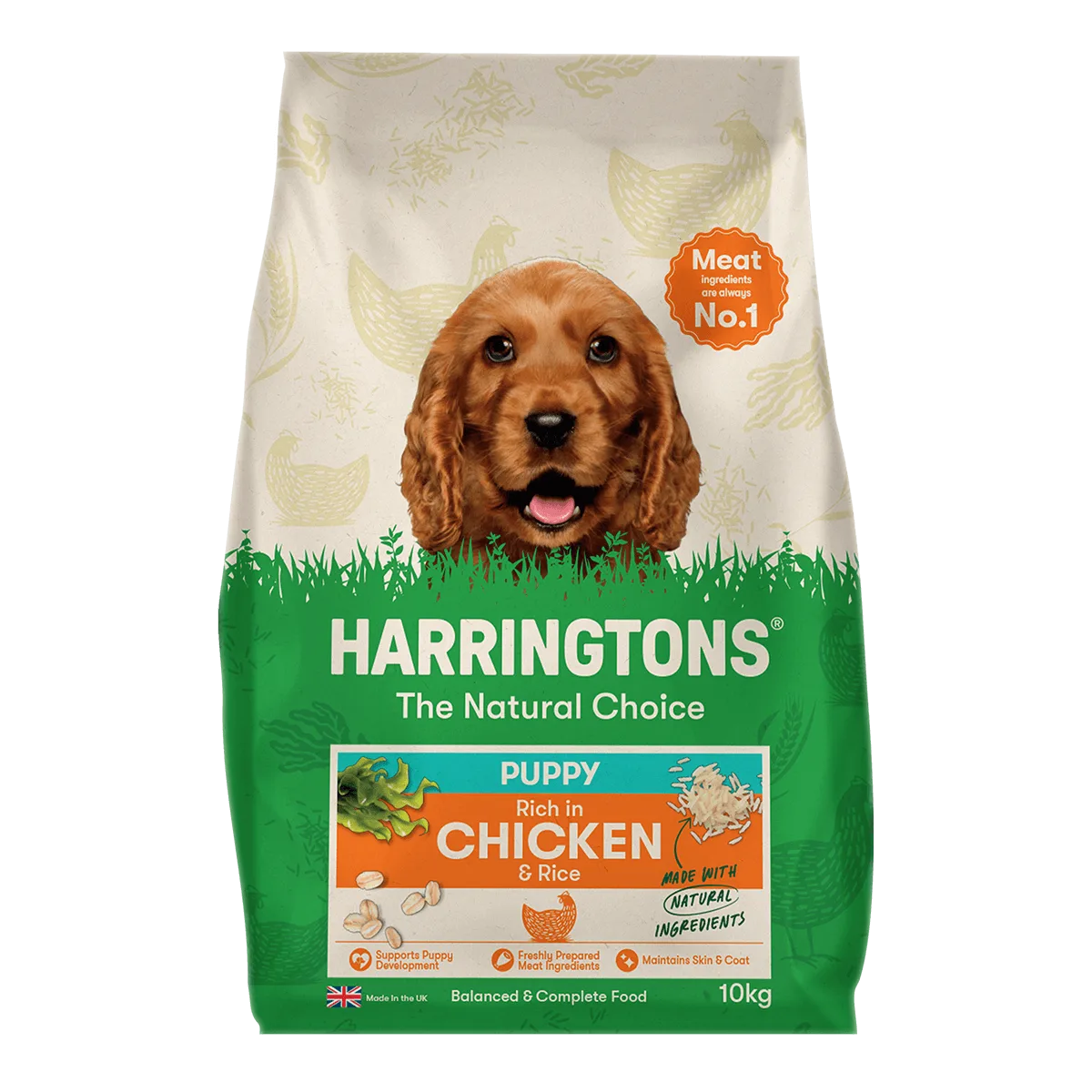
Dry Puppy Food Rich in Chicken & Rice 10kg