First, Check the Fit
When a toddler turns away from puzzles, the first thing to examine is whether the puzzle matches their current skills and interests. A puzzle that is too hard can frustrate, while one that feels babyish may bore. The goal is to find a puzzle that sits right at their level—challenging enough to hold attention, but achievable enough to build confidence.
Puzzle Options That Match Different Interests
-
Dinosaur Adventure Tracks Floor Puzzle – 48 Pieces + 2 Wind-Up Dinosaurs: The Dinosaur Adventure Tracks Floor Puzzle combines a 48-piece jumbo floor puzzle with a built-in winding track for two wind-up dinosaurs. If your toddler loves dinosaurs or moving parts, the wind-up dinosaurs add a playful reward after assembling the puzzle, turning the task into a two-step activity that feels more like a game.
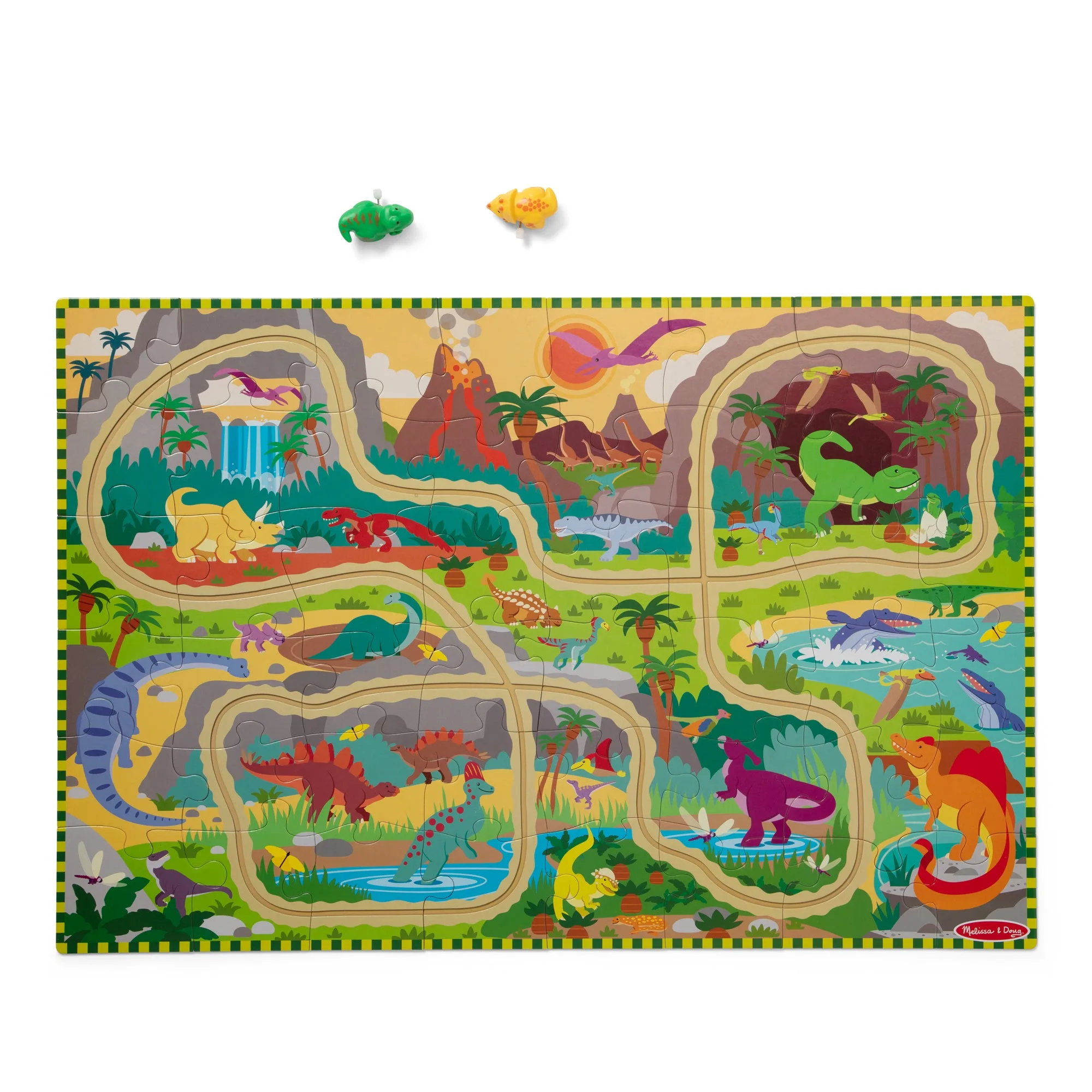
Dinosaur Adventure Tracks Floor Puzzle – 48 Pieces + 2 Wind-Up Dinosaurs
-
Outer Space Glow-in-the-Dark Floor Puzzle – 48 Pieces: The Outer Space Glow-in-the-Dark Floor Puzzle features 48 jumbo pieces that reveal hidden glow-in-the-dark details after being exposed to bright light. For a child who is intrigued by surprises or the dark, the glow effect provides a novel reason to complete the puzzle and then turn off the lights to see the magic—an engaging payoff.
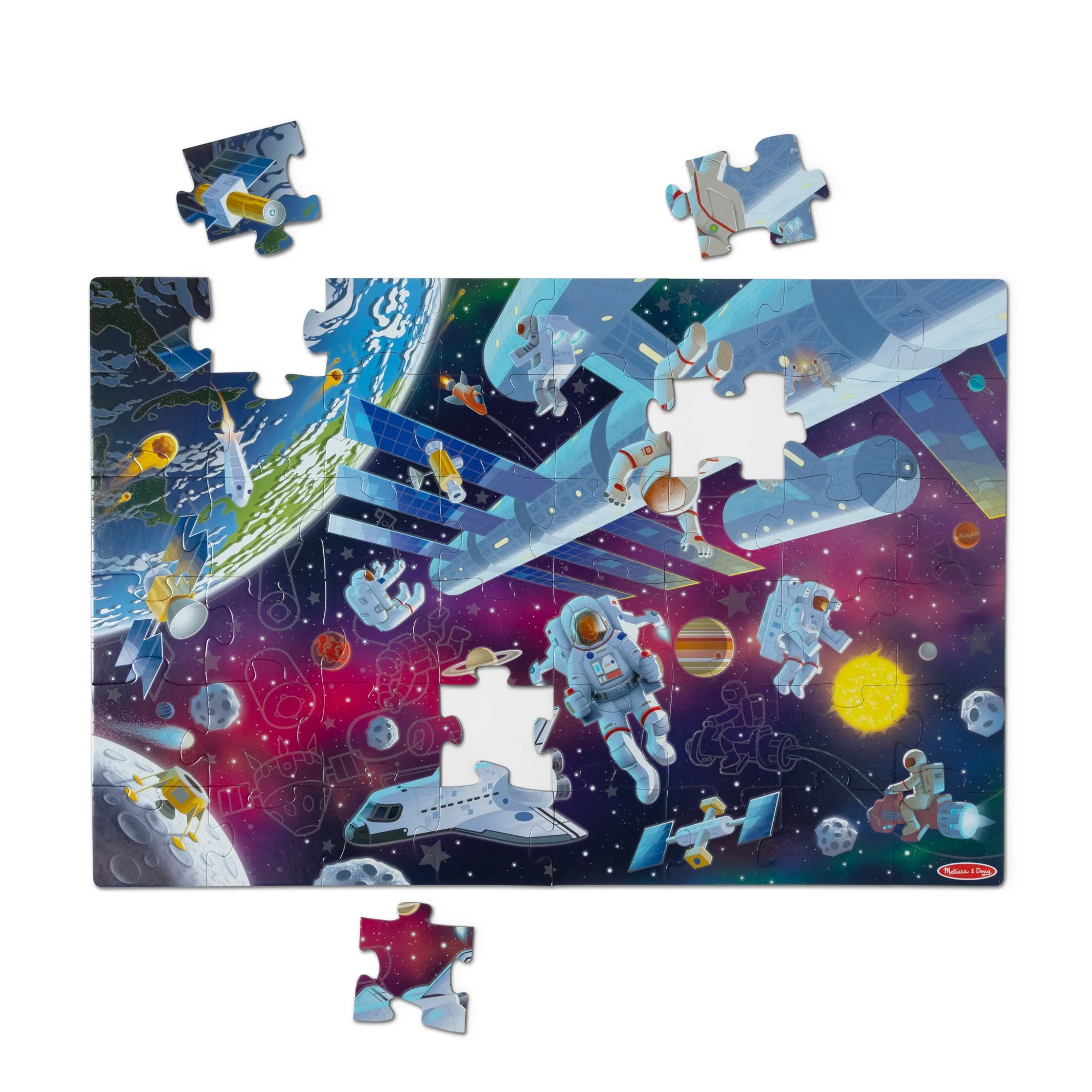
Outer Space Glow-in-the-Dark Floor Puzzle – 48 Pieces
-
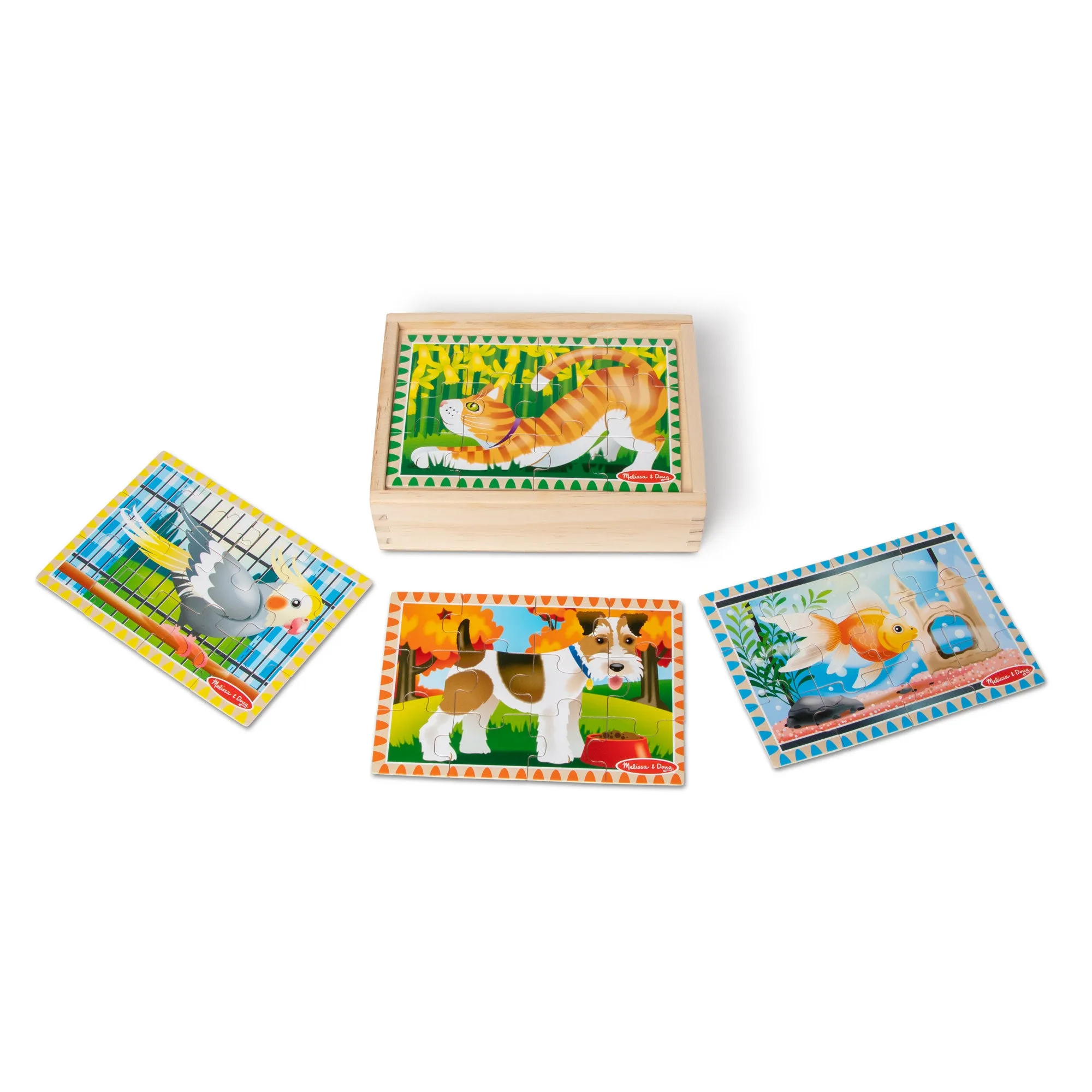
Wooden Jigsaw Puzzles in a Box - Pets: The Wooden Jigsaw Puzzles in a Box – Pets includes four 12-piece puzzles (fish, dog, cat, bird) stored in a wooden box with a slide-on lid that doubles as a puzzle board. Smaller piece counts and a familiar pet theme can reduce overwhelm and appeal to a toddler's love of animals; the travel-friendly box also makes it easy to bring along for on-the-go play.
Practical Tips to Spark Puzzle Interest
- Start with fewer pieces: If your toddler is new to puzzles, a 12-piece puzzle like the Wooden Jigsaw Puzzles in a Box – Pets is a gentler entry point than a 48-piece floor puzzle. Success with a smaller puzzle can build the confidence to try bigger ones later.
- Connect the puzzle to a favorite interest: Choose a theme your child already loves—dinosaurs, space, or pets. A puzzle that features their passion is more likely to capture attention than a generic scene.
- Make it a shared activity: Sit down and work on the puzzle together. Talk about the pieces, ask questions, and let your toddler take the lead. Your involvement can make the activity feel more social and less like a solo task.
- Add a playful element: Puzzles with extra features, like the wind-up dinosaurs in the Dinosaur Adventure Tracks Floor Puzzle, offer a second stage of play that can keep a child engaged even after the puzzle is complete.
- Use the puzzle as a story prompt: Once the puzzle is assembled, encourage your child to tell a story about the scene. This extends the play and reinforces the idea that puzzles are a gateway to imagination, not just a task to finish.
What to Keep in Mind
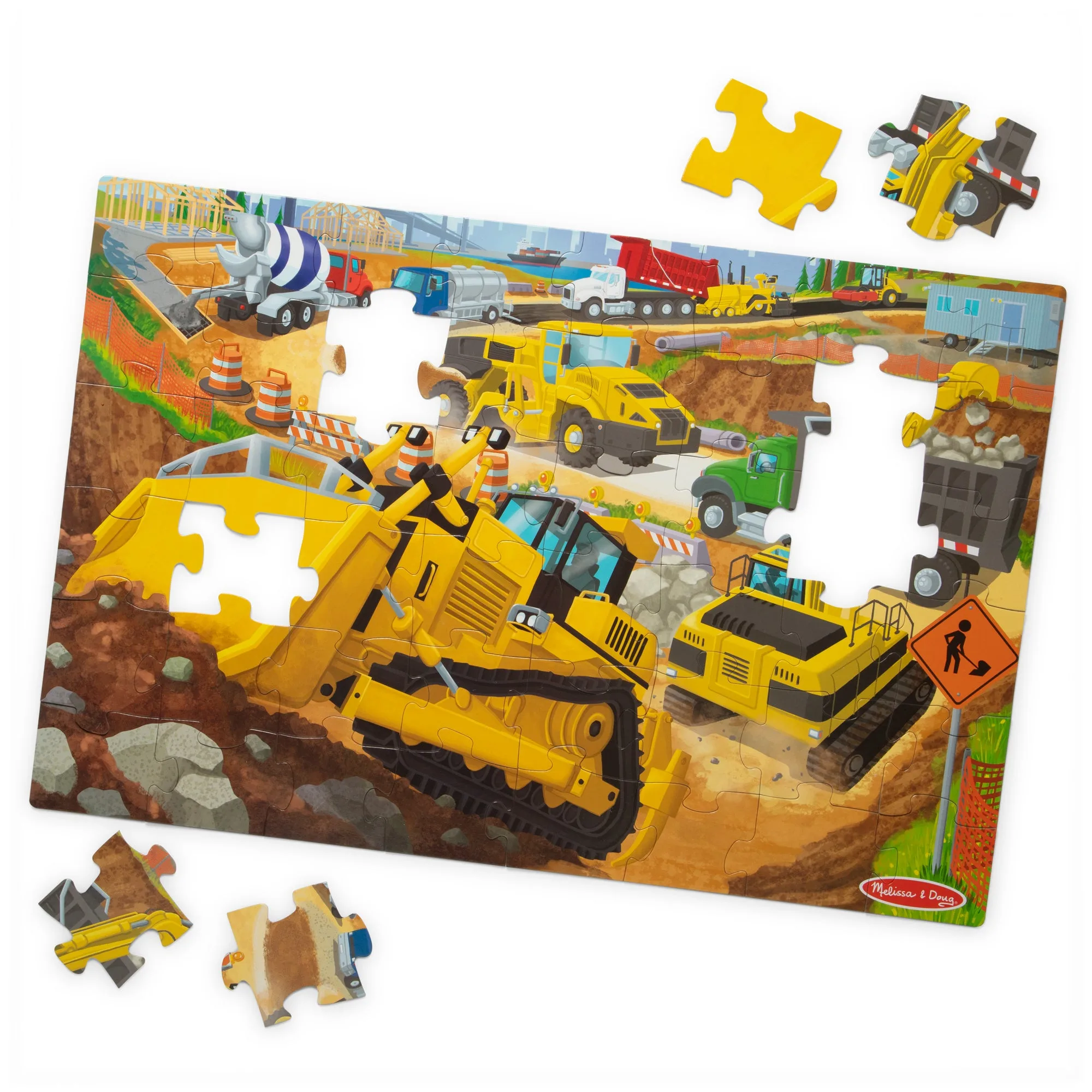
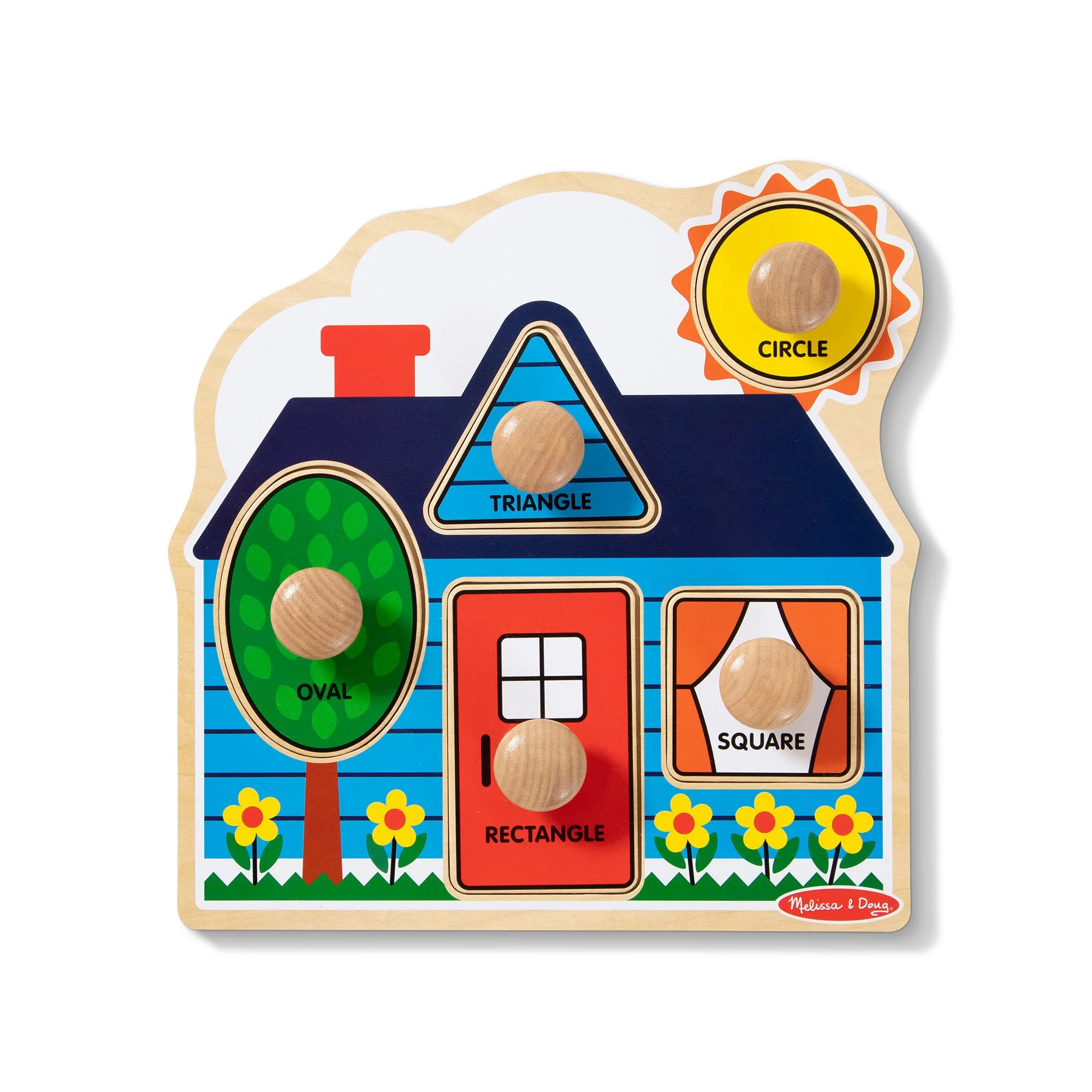
Toddlers develop at their own pace, and a temporary lack of interest in puzzles is common. Rather than forcing the activity, observe what draws your child's attention and offer puzzles that align with those interests. Also, remember that not all puzzles are the same: some feature large floor pieces, while others are small and wooden. Experimenting with different types can help you discover what your toddler responds to best.
If you're unsure whether a specific puzzle is right for your child, check the listed age range and piece count. The supplied records for these puzzles do not specify an age range, so it's wise to consider your child's individual skills and choose accordingly. The goal is to make puzzle time feel like play, not pressure.