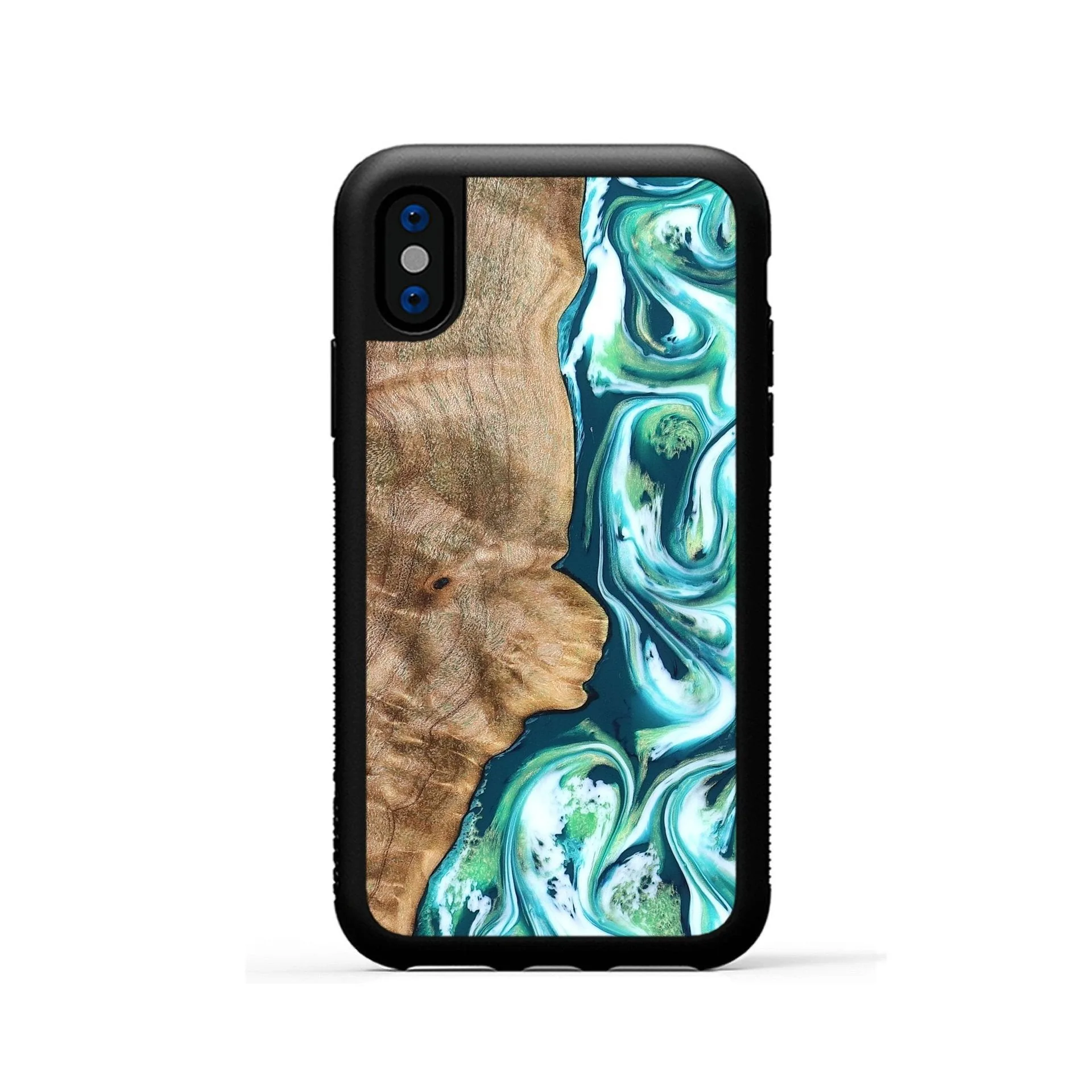
Quick Answer
Your wood phone case shows scratches because wood is softer than the metal, sand, and grit that commonly rub against it in pockets and bags. To prevent scratches, keep your case clean, avoid abrasive surfaces, and apply a protective finish. If scratches are deep or the wood is cracked, stop DIY fixes and consider a replacement.
Why Wood Scratches So Easily
Wood phone cases are prized for their natural look, but that beauty comes with a tradeoff: wood is a softer material than plastic or metal. Everyday items like keys, coins, and even tiny particles of sand or dirt can leave visible marks. The finish on a wood case helps, but it isn't bulletproof—over time, the protective layer wears thin, exposing the raw wood beneath.
The way you carry your phone also matters. If you slide it into a tight pocket or a bag with loose items, friction and pressure create micro-scratches that accumulate. Even setting your phone face-down on a rough table can leave marks. Understanding these causes is the first step to preventing damage.
Everyday Habits That Prevent Scratches
Start by keeping your case clean. Wipe it regularly with a soft, slightly damp cloth to remove grit that acts like sandpaper. Avoid using harsh cleaners or alcohol, which can strip the finish. When you're not using your phone, place it on soft surfaces like a cloth or a wooden desk—not on concrete or metal.
Consider your pocket and bag habits. Give your phone its own pocket or a dedicated compartment without keys or coins. If you often drop your phone on rough ground, a protective outer shell—like the rubber shell on many Carved cases—can absorb impact and reduce scratch risk. Also, be mindful of how you grip the case; natural oils from your hands can wear the finish over time, making it more prone to scratches.
When to Stop Fixing and Replace
Not every scratch is a disaster. Light surface marks can often be buffed out with a gentle wood polish or a natural oil like mineral oil. But if you see deep grooves, cracks, or the wood is splitting, DIY fixes won't restore structural integrity. At that point, the case may no longer protect your phone properly, and replacement is the safer choice.
Also, if the finish is peeling or the resin is chipping, further sanding or oiling could make it worse. Listen to the condition of your case: if it feels rough to the touch or you can catch a fingernail in a scratch, it's time to stop and consider a new case.
Diagnosis: Is Your Wood Case Worth Saving?
- Symptom: Light surface scratches: You see fine lines that don't catch your fingernail. The finish is intact. Try a gentle wood polish or natural oil. If scratches fade, continue regular care.
- Symptom: Deep scratches or grooves: You can feel the scratch with your nail, and the wood is exposed. Stop DIY fixes. Deep scratches compromise protection—consider a new case.
- Symptom: Cracks or splitting wood: The wood is physically separating, or the resin is chipping. Replace the case immediately; it no longer offers reliable drop protection.
Wood Cases Built to Last
- iPhone 15 Pro Max Wood Phone Case - Glenda (Green, 823457): Protective outer rubber shell, keeps your phone safe from drops, wireless charger compatible. The rubber shell adds a layer of shock absorption, reducing the chance of deep scratches from drops while still allowing wireless charging.
- iPhone 17 Air Wood Phone Case - Aaden (Green, 823851): Protective outer rubber shell, keeps your phone safe from drops, wireless charger compatible. A rubber bumper helps prevent the wood from hitting hard surfaces directly, which is a common cause of scratches and dents.
- iPhone 15 Pro Max Wood Phone Case - Ashely (Pattern, 823593): Protective outer rubber shell, keeps your phone safe from drops, wireless charger compatible. Even with a patterned wood design, the rubber shell provides consistent protection, so you don't have to choose between style and durability.