Quick answer
Wooden toys cost more because they use solid materials like bass plywood, require precise joinery, and are built to survive years of play rather than a single season. That higher upfront price buys durability, safety, and a toy that can be passed down or resold. The real question isn't whether wooden toys are expensive, but whether the specific toy's construction justifies its price for your family.
Myth: Wooden toys are just plastic toys with a markup
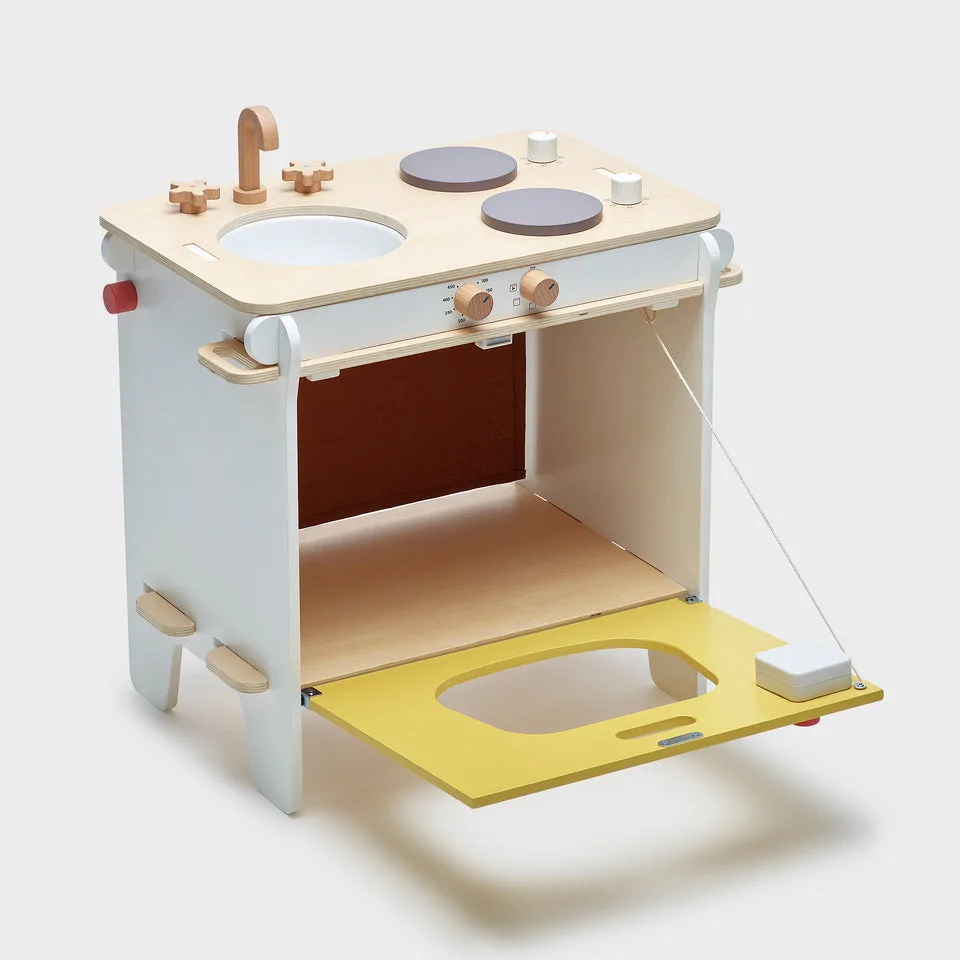
The claim that wooden toys are simply plastic toys with a higher price tag ignores what actually goes into them. A wooden play kitchen like the Kids' play kitchen is made from bass plywood, not molded plastic. That material choice affects weight, stability, and how the toy feels during play. It also means no assembly is required for that particular model, which is a convenience some parents value. The price difference reflects the raw material, the cutting and finishing process, and the fact that wood doesn't flex or crack the way thin plastic can. You're not paying for a logo; you're paying for a different category of object.
Myth: All wooden toys are built to the same standard
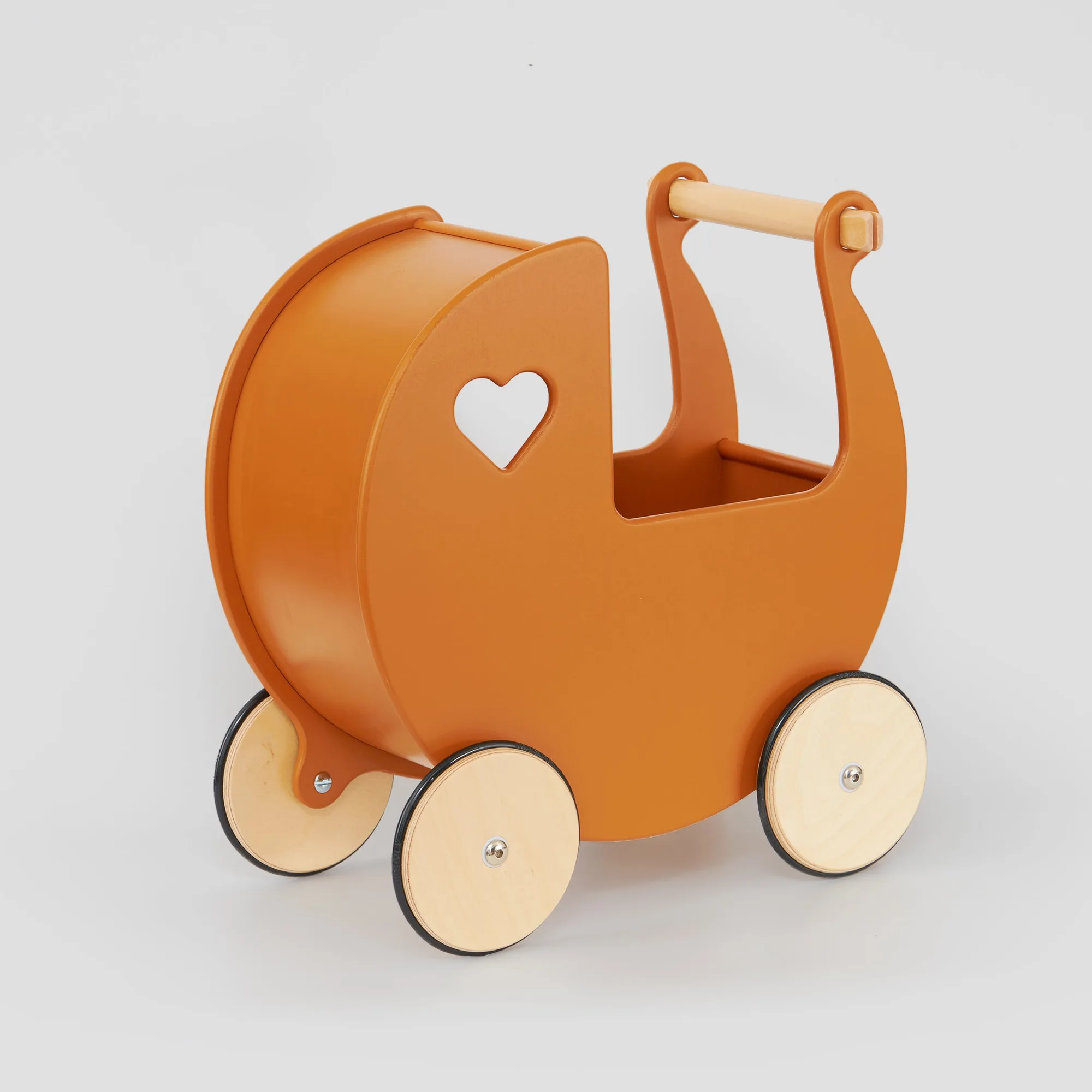
Not every wooden toy is made with the same care. Some are simple blocks with minimal finishing; others, like the Traditional Doll Stroller Brown, come from a classic line described as the original highest-quality line of luxury wooden mobility toys. That stroller is Danish-designed and built with an eye for detail, quality, and durability. The difference shows up in how smoothly it rolls, how the joints hold up, and whether it still works after a year of daily use. When you compare prices, compare construction details, not just the word 'wooden' on the box.
Myth: Wooden toys are only for parents who want to make a statement
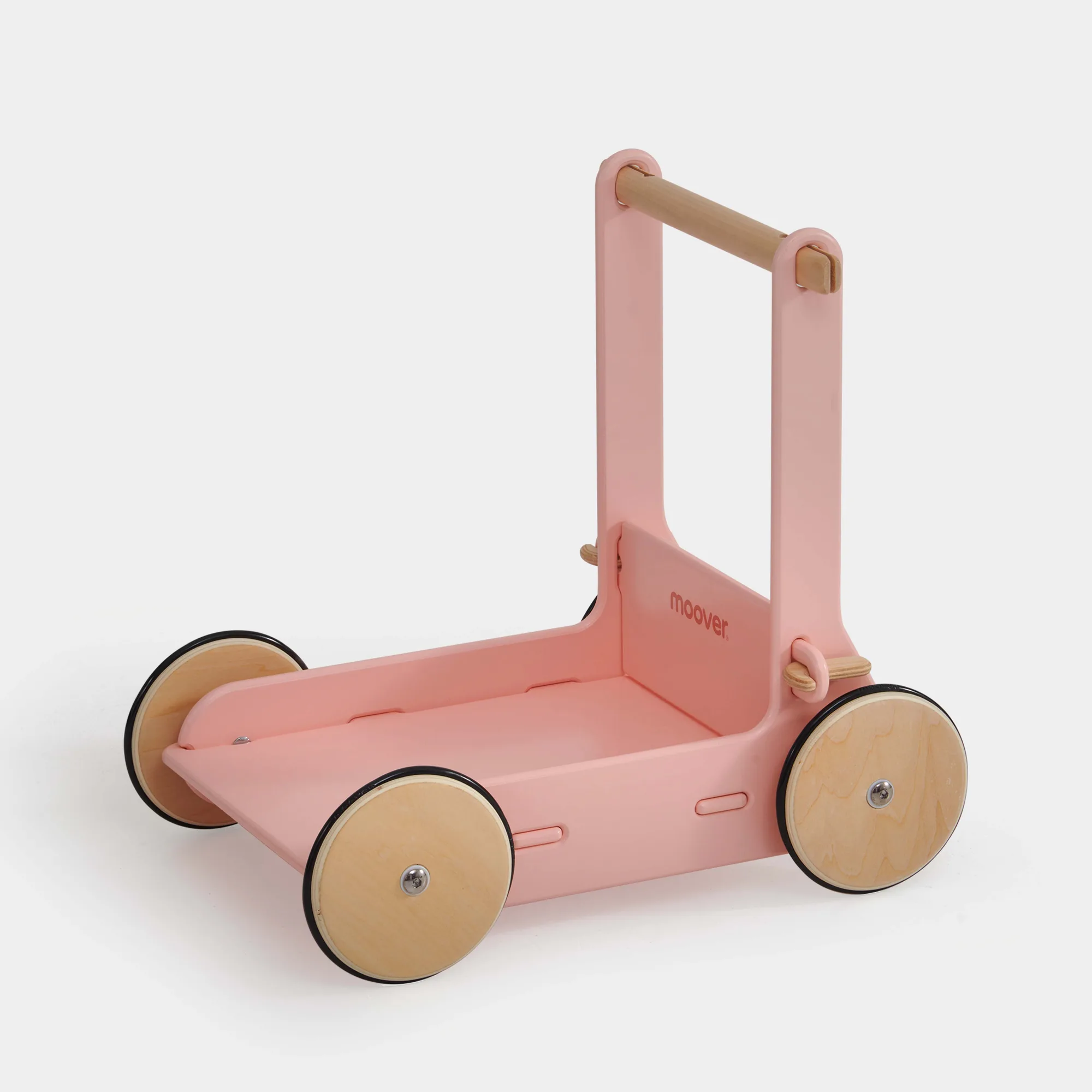
Plenty of parents choose wooden toys for practical reasons. A wooden baby walker like the Baby Walker Pink 2337 is designed to support a child from sit-to-stand, roll, push, and first steps. That's a developmental tool, not a decoration. It provides a sturdy platform for a baby to explore and learn. If you're buying a toy that a child will lean on, push, and pull, the material matters for safety and stability. The higher cost can be justified by the physical demands of the toy, not by aesthetics.
What you're actually paying for
When you buy a wooden toy, your money goes toward three things: material, construction, and longevity. Material means solid wood or plywood instead of hollow plastic. Construction means joinery that doesn't rely on glue alone, and finishes that are safe for mouthing toddlers. Longevity means the toy can be used by multiple children or resold. For example, the Traditional Doll Stroller Brown includes free bedding with every purchase, which adds value to the initial price. The Baby Walker Pink 2337 is part of a classic line designed for developmental stages, so it stays useful as your child grows. These are concrete features, not vague promises.
When a higher price is not worth it
There are situations where a wooden toy's price doesn't match your needs. If a toy will only be used for a few months, or if your child prefers electronic sounds and lights, a simpler plastic option may be more practical. Also, if a wooden toy lacks specific features you need—like adjustable height or extra accessories—you're paying for durability you won't use. The key is to match the toy's construction to your child's stage and your family's habits. A wooden toy that sits on a shelf is not a good value, no matter how well it's made.
Verdicts on common wooden toy price claims
- Claim: Wooden toys are overpriced for what they are.: The price reflects solid materials like bass plywood, precise construction, and safety features. A wooden play kitchen or walker is built to withstand daily use, unlike many plastic alternatives that crack or lose function. Verdict: Not overpriced if the toy matches your child's age and play style.
- Claim: You can always find a cheaper wooden toy.: Cheaper wooden toys may use thinner wood, fewer finishing steps, or less durable joinery. The Traditional Doll Stroller Brown comes from a classic line described as the original highest-quality line, which explains part of its cost. Verdict: True, but compare construction details, not just the word 'wooden'.
- Claim: Wooden toys are only for looks.: A baby walker like the Baby Walker Pink 2337 is designed for sit-to-stand, roll, push, and first steps. It's a functional tool for development, not a decorative object. Verdict: False. Many wooden toys are built for active, developmental play.
Product facts that explain the price
- Kids' play kitchen: Material: Bass Plywood. No assembly required. Toy size 18.7 x 12.2 x 21.26 inches. From age 18M+. Bass plywood is a durable material that resists warping, and no assembly means the toy is ready to use out of the box. The size and age range make it a long-term play piece for toddlers.
- Traditional Doll Stroller Brown: Free bedding with every purchase. From the original highest-quality line of luxury wooden mobility toys. Danish-designed, sturdy and dependable. The included bedding adds immediate value, and the classic line designation signals a higher construction standard that can justify the price for parents who want a stroller that lasts.
- Baby Walker Pink 2337: Supports sit-to-stand, roll, push, and first steps. Designed in Denmark. Sturdy and dependable platform for baby to explore and learn. This walker is a developmental tool that adapts as your child grows, so the cost is spread over multiple stages rather than a single phase.