Quick answer
Your anal plug slips out most often because of insufficient sphincter grip, a tapered shape that doesn't anchor internally, or too much lubricant. The Luna Plug's bulbous G-spot design and the Orbit Sync's rotating base each need a different fix.
Why shape matters more than size
A plug that tapers evenly from tip to neck will slide out more easily than one with a pronounced bulb or angled head. The Luna Plug has a G-spot curve and a bulbous shape that creates internal resistance once past the sphincter. The Orbit Sync uses a lampwick-style base that relies more on the external sphincter to hold it in place. If you're using a plug that lacks a distinct 'anchor' section, slipping is more likely.
Lube amount and type
Too much lubricant reduces friction exactly where you need grip. Both the Luna Plug (medical silicone) and the Orbit Sync (silicone + ABS) work with water-based lube. Apply a thin layer to the plug and a small amount to the anal opening. If you feel the plug sliding out during use, wipe away excess lube from the outside.
Muscle fatigue and angle
After 20-30 minutes of wear, the anal sphincter naturally relaxes, making expulsion more likely. Changing your body position—from lying to standing or squatting—can also shift the plug. The Orbit Sync's rotating function may increase muscle stimulation and speed up relaxation. If you notice slipping after a position change, try reclining or sitting on a firm surface.
Diagnosis: Why your plug slips out
- Symptom: Plug slides out slowly during wear: Likely cause: Too much lubricant or a plug shape that lacks an internal bulb. Corrective action: Wipe excess lube from the plug and anal opening. If the plug is straight-tapered (like the Orbit Sync's base design), switch to a bulbous shape such as the Luna Plug.
- Symptom: Plug pops out when you change position: Likely cause: Sphincter relaxation after 20+ minutes or a plug that is too small for your current muscle tone. Corrective action: Reinsert the plug in a reclining position and squeeze your pelvic floor muscles for 10 seconds to re-engage grip. If it still slips, consider a larger plug or one with a more pronounced bulb. If you need to stop: Slipping after position change is normal for beginners. Stop if you feel pain or the plug won't stay in after 3 attempts.
- Symptom: Plug falls out immediately after insertion: Likely cause: The plug is too small or your sphincter is too relaxed from previous stimulation. Corrective action: Choose a plug with a wider bulb (Luna Plug's G-spot bulb works well) or use a Kegel exercise to tighten the sphincter before insertion. For the Orbit Sync, ensure the rotating function is off until the plug is fully seated. If the plug still won't stay after trying a bulbous shape, stop and consult a healthcare professional. Persistent slipping can indicate weak pelvic floor muscles.
Product facts
-
Orbit Sync: The Orbit Sync has a lampwick-style base and offers rotation and vibration controlled via APP. The external base design means it relies heavily on sphincter grip; if your plug slips, check that the base isn't too narrow for your anatomy.
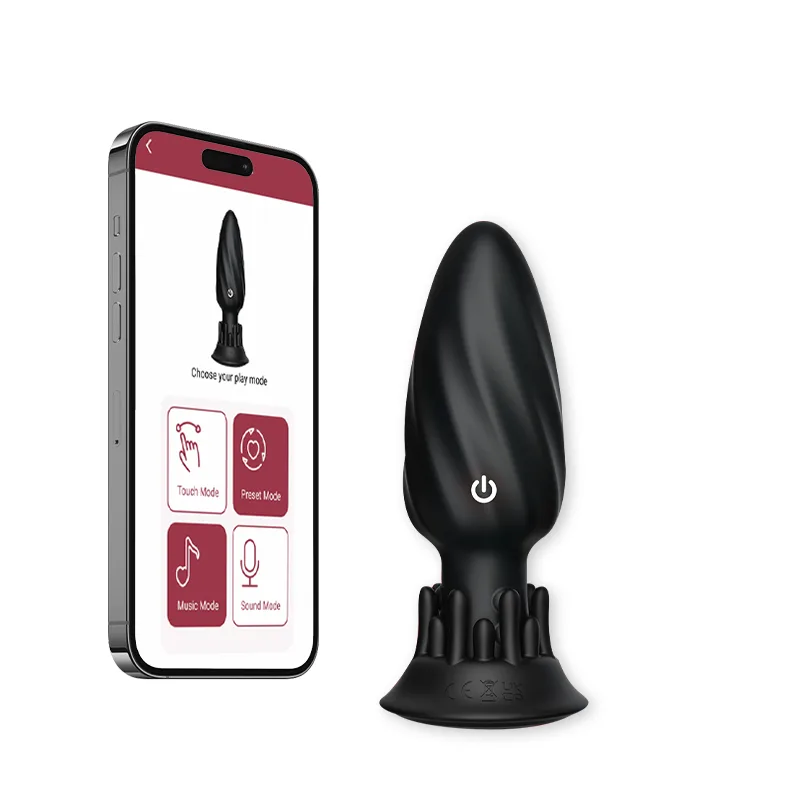
Orbit Sync
-
Luna Plug: The Luna Plug is made of medical silicone with a bulbous G-spot shape and wireless remote control. Its bulbous shape provides an internal anchor that helps prevent slipping, but the wireless remote adds weight that can pull the plug out if the sphincter is relaxed.
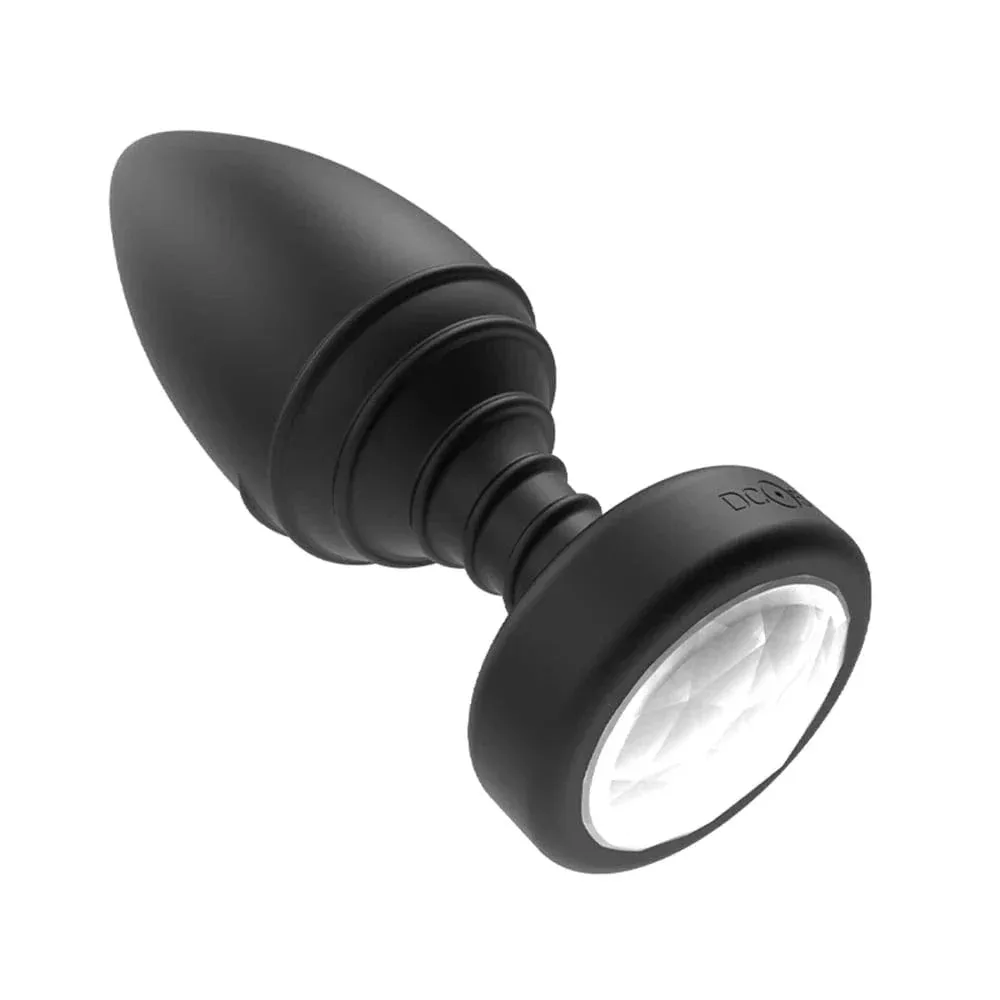
Luna Plug