Quick Answer
Your baby drops toys because of the let-go reflex, a natural developmental stage that helps them learn to release objects intentionally. It's not a sign of frustration or a problem—it's how infants practice fine motor control and explore cause and effect. Around 6 months, this reflex becomes more noticeable as your baby gains hand strength and coordination.
What Is the Let-Go Reflex?
The let-go reflex is the gradual ability to voluntarily open the hand and release an object. Newborns have a strong grasp reflex—they hold on tight without thinking. Around 4 to 6 months, babies start to develop the opposite skill: letting go. This doesn't happen overnight. At first, your baby might drop a toy because their hand muscles tire or because they accidentally relax their grip. Over the next few months, dropping becomes more deliberate as they learn to control the release.
This reflex is closely tied to object permanence—the understanding that objects still exist even when out of sight. Around 6 to 8 months, babies begin to grasp that a dropped toy is still there, which is why they may look down or wait for it to reappear. Dropping and retrieving becomes a game that reinforces both motor skills and cognitive development.
When Dropping Toys Becomes a Game
Once your baby discovers they can drop a toy, they may repeat the action over and over. This is not misbehavior—it's a learning experiment. They are testing gravity, your reaction, and their own ability to control the release. This phase can be tiring for parents, but it's a sign of healthy development. You can turn it into a simple game: pick up the toy, hand it back, and say "ready, set, go" or "uh-oh" each time. This adds language learning to the motor practice.
If your baby seems frustrated or cries after dropping a toy, they may not yet have fully developed object permanence. They might think the toy has disappeared forever. In that case, calmly showing them the toy or handing it back helps build trust and understanding. If they are upset every time, it may be time to switch to a different activity or offer a toy that is easier to hold.
Choosing a Toy That Supports the Let-Go Reflex
Toys with multiple textures and easy-to-grasp features can help your baby practice both grasping and releasing. Look for soft, lightweight balls with tags or loops that give tiny fingers something to hold onto. The key is a toy that is easy to pick up but also interesting enough to encourage repeated drops and retrievals. Avoid toys that are too heavy or have small parts that could be a choking hazard.
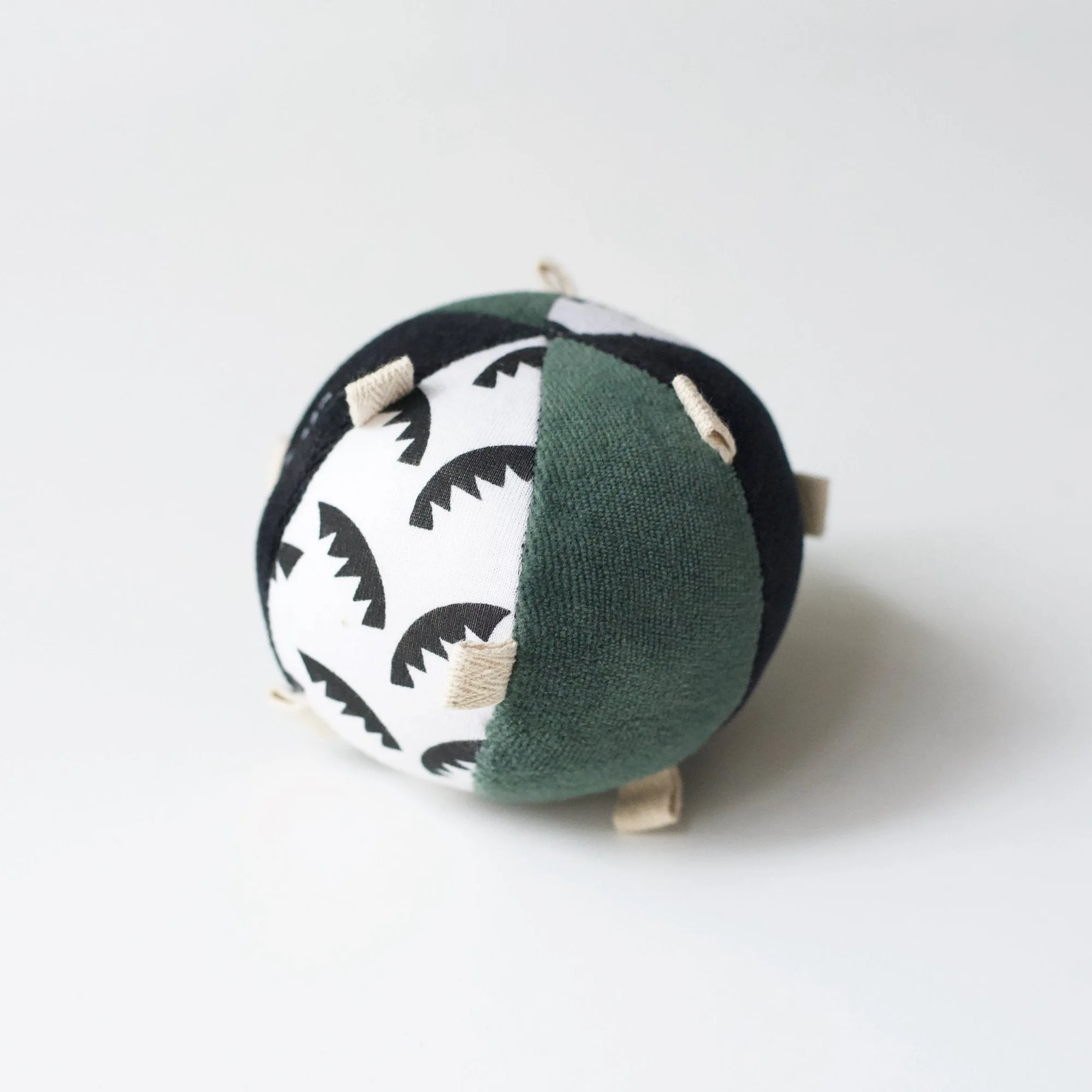
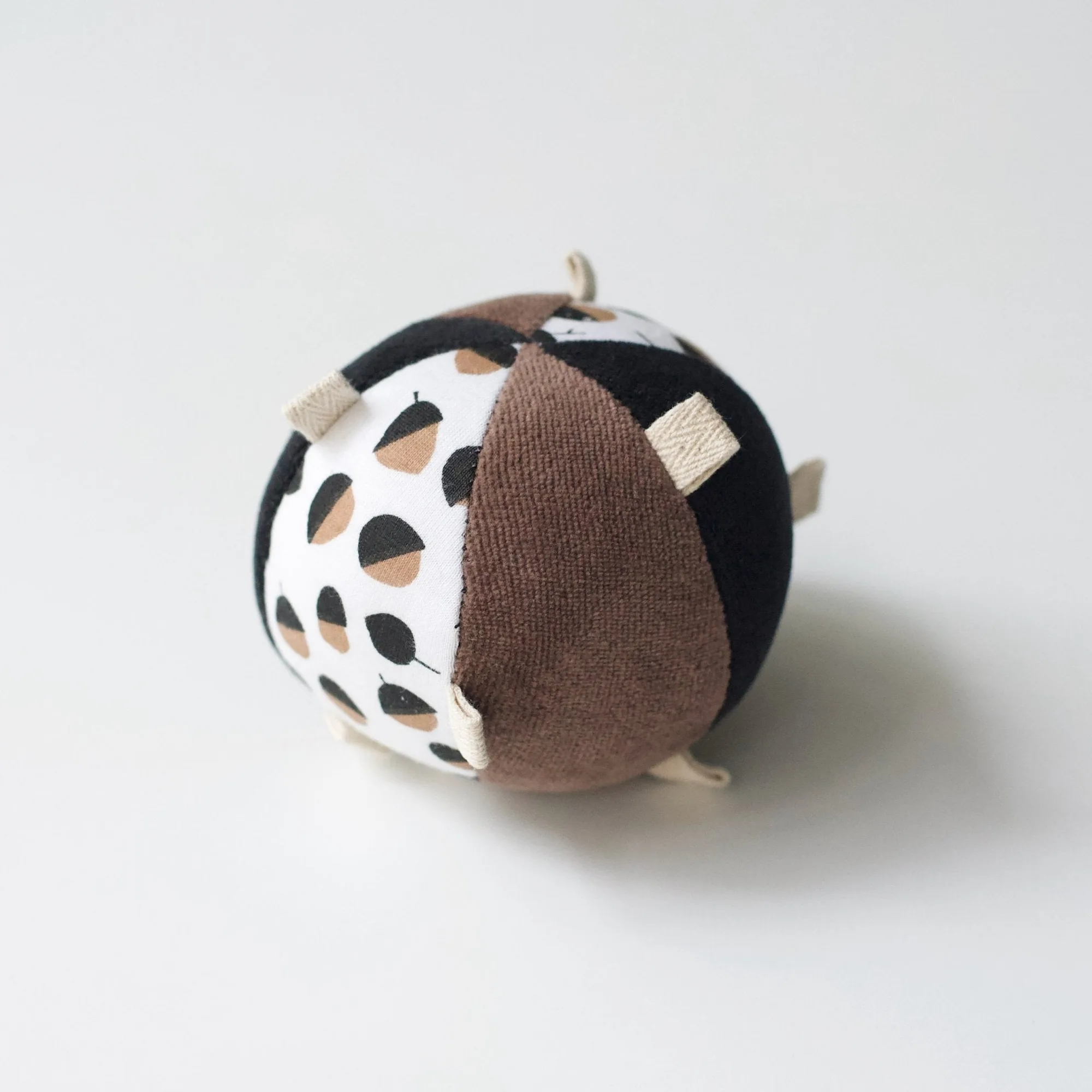
A soft, tag-covered ball is ideal because it provides many gripping points and makes a gentle sound when dropped, which adds auditory feedback. This helps your baby connect the action of dropping with a result. As your baby's coordination improves, you can introduce a slightly larger or more textured ball to keep the challenge appropriate.
Diagnosis: Is Your Baby's Dropping Normal?
- Symptom: Your baby repeatedly drops toys from their high chair, play mat, or stroller, sometimes looking down or waiting for you to pick them up. This is typical for babies 4 to 8 months old and is a sign of developing motor control.
- Likely Cause: The let-go reflex is emerging, and your baby is learning to intentionally release objects. They may also be testing cause and effect or object permanence. No cause for concern—this is a healthy developmental milestone.
- Corrective Action: Offer a soft, graspable toy like a taggy ball. Play along by retrieving and handing it back, or place the toy on a play mat where your baby can reach it themselves. If your baby seems frustrated, switch to a different activity or offer a toy that is easier to hold. Turn dropping into a learning game. If your baby cries every time, they may not yet understand object permanence—show them the toy and offer comfort.
- When to Choose Another Option: If your baby consistently seems upset or avoids playing with dropped toys, consider a toy with a different texture or sound. If dropping is accompanied by other signs of discomfort (like arching back or refusing to eat), consult your pediatrician. Most dropping is normal. Trust your instincts—if something feels off, seek professional advice.
Products That Help Practice the Let-Go Reflex
- Taggy Ball with Rattle - Nordic: This soft ball, made from a patchwork of organic fabrics, features an array of little tags perfect for tiny hands to grip, tug, and explore. The fabric shell is made of organic cotton, ensuring a safe and gentle touch for your baby's delicate skin. The many tags give your baby multiple points to grasp, making it easier to practice both holding and releasing. The soft rattle inside provides auditory feedback when dropped, reinforcing the cause-and-effect learning of the let-go reflex.
- Taggy Ball with Rattle - Woodland: This soft ball, made from a patchwork of organic fabrics, features an array of little tags perfect for tiny hands to grip, tug, and explore. The fabric shell is made of organic cotton, ensuring a safe and gentle touch for your baby's delicate skin. The woodland animal graphics offer high-contrast visual interest that can keep your baby engaged during repeated drop-and-retrieve play. The soft, lightweight design is easy for small hands to pick up off the floor.