Quick answer
A baby sleep bag (or sleep sack) is the safest bedding choice for infants because it eliminates loose blankets that can cover the face and increases the risk of SIDS. It also keeps your baby at a consistent temperature all night, helping everyone sleep better.
Why sleep bags are safer than blankets
The American Academy of Pediatrics recommends a firm, flat sleep surface with no loose bedding, pillows, or soft toys. A sleep bag acts as a wearable blanket that stays in place, so your baby cannot kick it over their face or get tangled. This directly reduces the risk of suffocation and SIDS.
Sleep bags also help maintain a stable body temperature. Overheating is a known SIDS risk factor, and a well-designed sleep sack prevents your baby from getting too hot or too cold by providing consistent, breathable insulation.
How sleep sacks improve sleep quality
Babies startle easily during sleep, a reflex called the Moro reflex. A sleep bag provides gentle, even pressure that can help reduce these startles and soothe your baby back to sleep without needing to be re-swaddled. This means fewer night wakings for both of you.
Sleep sacks also make middle-of-the-night diaper changes easier. Simply unzip the bottom, change the diaper, and zip back up without fully undressing your baby. This keeps your little one calm and sleepy, making the transition back to bed smoother.
What to look for in a newborn sleep bag
When choosing a sleep bag for a newborn, prioritize fit and safety. The neck opening should be snug enough that the bag cannot slip over your baby's head, but not so tight that it restricts breathing. Armholes should be small enough to prevent your baby from slipping inside the bag.
Look for a TOG rating that matches your room temperature. A 1.0 TOG sleep sack is suitable for most rooms (68-72°F / 20-22°C). For warmer climates, choose a 0.5 TOG; for colder rooms, a 2.5 TOG may be needed. Always check the manufacturer's temperature guide.
The sleep bag should be the correct size for your baby's weight, not just age. A bag that is too large can ride up over the face, while one that is too small can be uncomfortable and restrict movement.
How to choose the right sleep bag
- Check the TOG rating: Match the TOG to your nursery temperature. For 68-72°F, a 1.0 TOG is ideal. For warmer rooms, use 0.5 TOG; for cooler rooms, 2.5 TOG. Always follow the manufacturer's temperature range. If you are unsure, a 1.0 TOG sleep bag is a safe starting point for most homes.
- Verify the fit: The sleep bag should fit snugly around the chest and under the arms, with no excess fabric that could bunch up near the face. Use the weight range on the label, not just age, to select the right size. A properly fitted sleep bag should allow your baby to move their hips and legs freely while keeping the upper body secure.
- Choose safe materials and design: Look for breathable, natural fabrics like cotton or bamboo. Avoid sleep bags with hoods, loose ties, or heavy padding. The zipper should be covered or have a flap to prevent skin irritation. A simple, well-constructed sleep bag with a covered zipper and no extra accessories is the safest choice.
- Use it from day one: Start using a sleep sack as soon as you transition from swaddling (usually around 2-3 months or when your baby starts rolling). Some newborns can use a sleep bag immediately if it has a snug fit and arm openings. If your baby is already rolling, stop swaddling and switch to a sleep bag right away for safe sleep.
Product facts
-
BROWN SUGAR BLOOM SLEEP BAG: The Brown Sugar Bloom Milk Snob® Sleep Bag is the softest, coziest blanket alternative for babies. This sleep sack is the perfect weight to keep your baby comfortable all night long (so YOU both can get more sleep!). Its balanced weight and soft fabric help maintain a consistent temperature, reducing the risk of overheating while keeping your baby snug and settled.
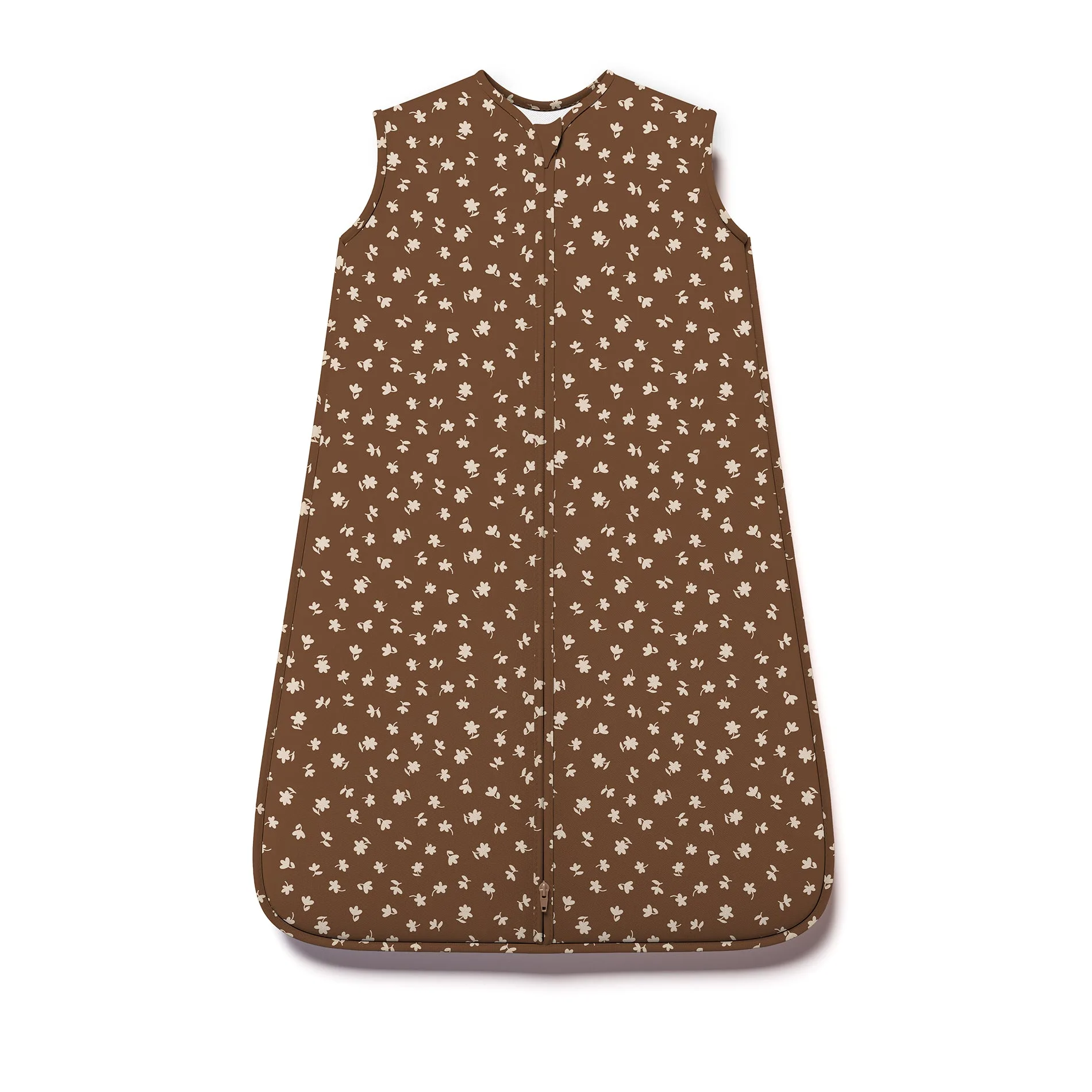
BROWN SUGAR BLOOM SLEEP BAG
Is a sleep bag right for your baby?
Best for
- Newborns and infants up to 12 months who need a safe, blanket-free sleep environment
- Parents who want to reduce the risk of SIDS and improve sleep quality for the whole family
Not ideal for
- Babies under 2 months who still need to be swaddled for sleep (unless the sleep bag is designed for swaddling)
- Parents who prefer the convenience of a traditional blanket and are willing to monitor it closely (though this is not recommended for safe sleep)