Quick answer
A bra band that rides up usually means the band is too loose, stretched out, or fastened on the wrong hook. Check the band tension first: it should sit level around your ribcage and stay put when you lift your arms. If tightening the hooks does not solve it, the band has likely lost its stretch and needs replacing.
Start with the band, not the cups
Most people assume a riding band means the cups are wrong, but the band is what anchors the bra. It should provide roughly 80 percent of the bra's support, with the straps handling the rest. When the band is loose, the back climbs toward your shoulder blades and the front dips, which throws off cup position too. Before adjusting anything else, put two fingers under the band at your back. If you can pull it more than about an inch away from your body, it is too loose. If it digs in and leaves red marks that last more than an hour, it is too tight. The goal is snug and level, not tight and high.
Fasten on the loosest hook first
A common mistake is starting on the tightest hook. Bands are designed to be worn on the loosest hook when new, because the elastic will relax over time. That gives you room to tighten as the band stretches. If you are already on the tightest hook and the band still rides up, the bra has reached the end of its useful life. You can test this by fastening on the loosest hook and seeing if the band stays level when you raise your arms overhead. If it shifts up more than an inch, the band is either too large or too stretched to do its job.
Check the band size against your ribcage measurement
Band sizing is not the same as your dress size. Measure snugly around your ribcage, directly under your bust, and round to the nearest even number. That number is your starting band size. If you are between sizes, size down for more support, especially if you have a fuller bust. A band that is one size too large will ride up no matter how you adjust the straps. Keep in mind that band fit can change with weight fluctuations, hormonal shifts, and different bra styles. A demi-cup bra may feel different from a full-coverage style even in the same band size.
Strap tension and band tension work together
Over-tightening the straps is a quick fix that backfires. It pulls the back of the band upward, which is exactly the riding-up problem you are trying to solve. Loosen the straps until they sit flat against your shoulders without digging in, then adjust the band. The straps should stay in place when you move your arms, but they should not be doing the heavy lifting. If you have to tighten the straps all the way to keep the cups in place, the band is too loose or the cups are too small.
When to stop adjusting and replace the bra
If you have tried the loosest hook, checked your ribcage measurement, and adjusted the straps, but the band still rides up, the bra is worn out. Elastic loses its memory over time, especially if you wear the same bra several days in a row or wash it in a machine. A good rule is to rotate between at least three bras and hand wash them. If the band has lost its snap and no longer returns to shape after stretching, no amount of hook adjustment will fix it. At that point, replace the bra rather than continuing to tighten it, which can cause discomfort and poor support.
Diagnosis: match the symptom to the fix
- Band rides up in the back but cups feel fine: The band is likely too loose or stretched. Fasten on the loosest hook, then tighten one hook at a time until the band stays level when you lift your arms. If you reach the tightest hook and it still rides up, the bra is worn out.
- Band rides up and straps dig into your shoulders: Over-tightened straps are pulling the back up. Loosen the straps until they sit flat, then re-check the band tension. If the cups still gape, the band size is wrong. Straps should not leave deep marks or do the work of the band.
- Band stays level but feels tight or leaves red marks: The band may be too small. Measure your ribcage snugly and round to the nearest even number. If you are between sizes, try sizing up in the band and down in the cup if needed. A band that leaves marks lasting more than an hour is too tight.
- New bra rides up after a few wears: The elastic may have relaxed faster than expected, or you started on the tightest hook. Always start on the loosest hook to allow for stretch. If it rides up within weeks, check the return policy. Rotate bras and hand wash to extend band life.
Product facts
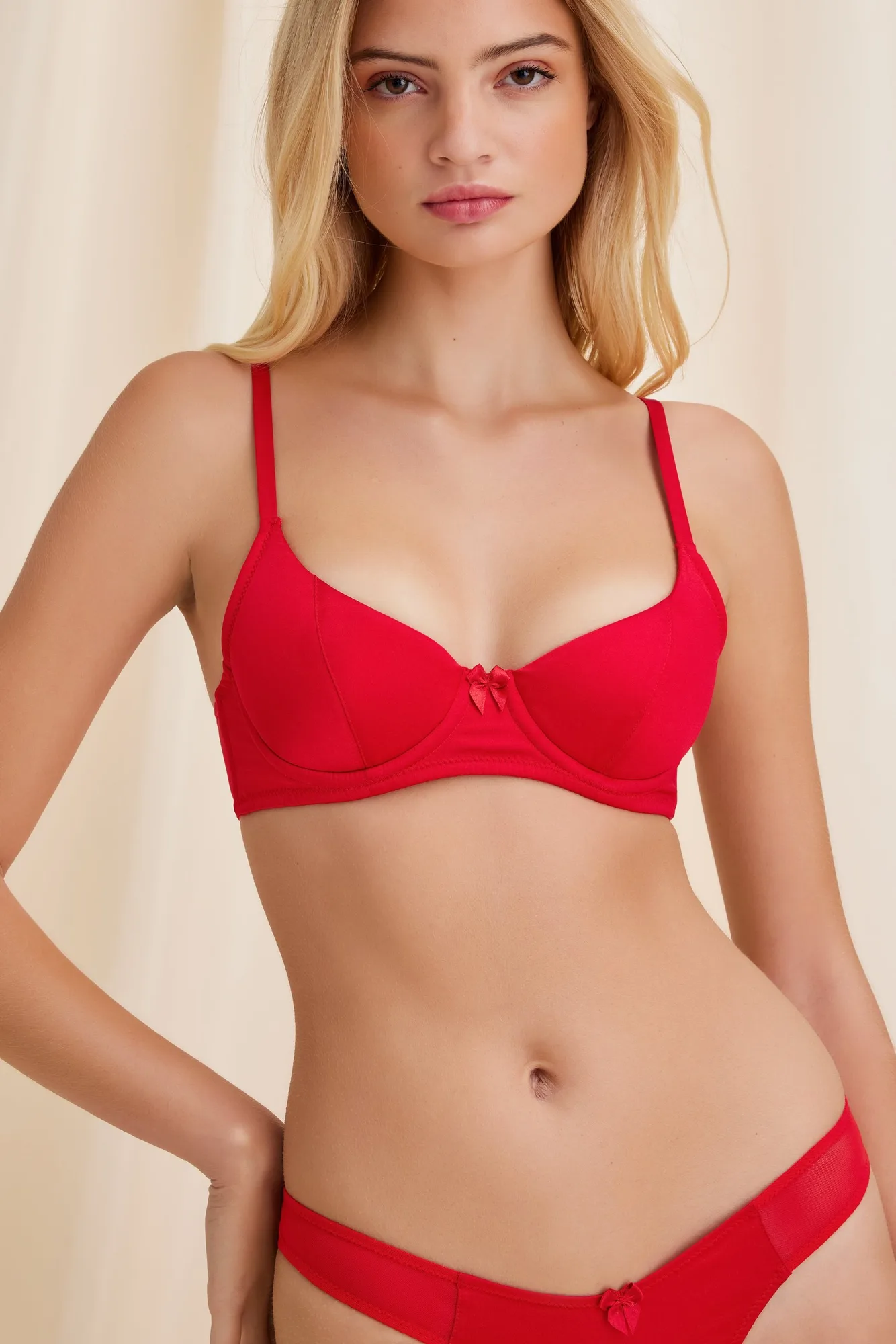
- TALLULAH BRA: The https://scarlettgasquegz.com/products/tallulah-bra-abb2691e2b35889fbaab5209-1354830https://scarlettgasquegz.com/products/the-talullah-bra-be3da6f3d719d862f7106cc8-1354832Tallulah Bra has a sheer stretch mesh back and side panels with side boning for added support. Mesh back panels can feel more breathable and the side boning helps the band stay level, which reduces the chance of riding up.
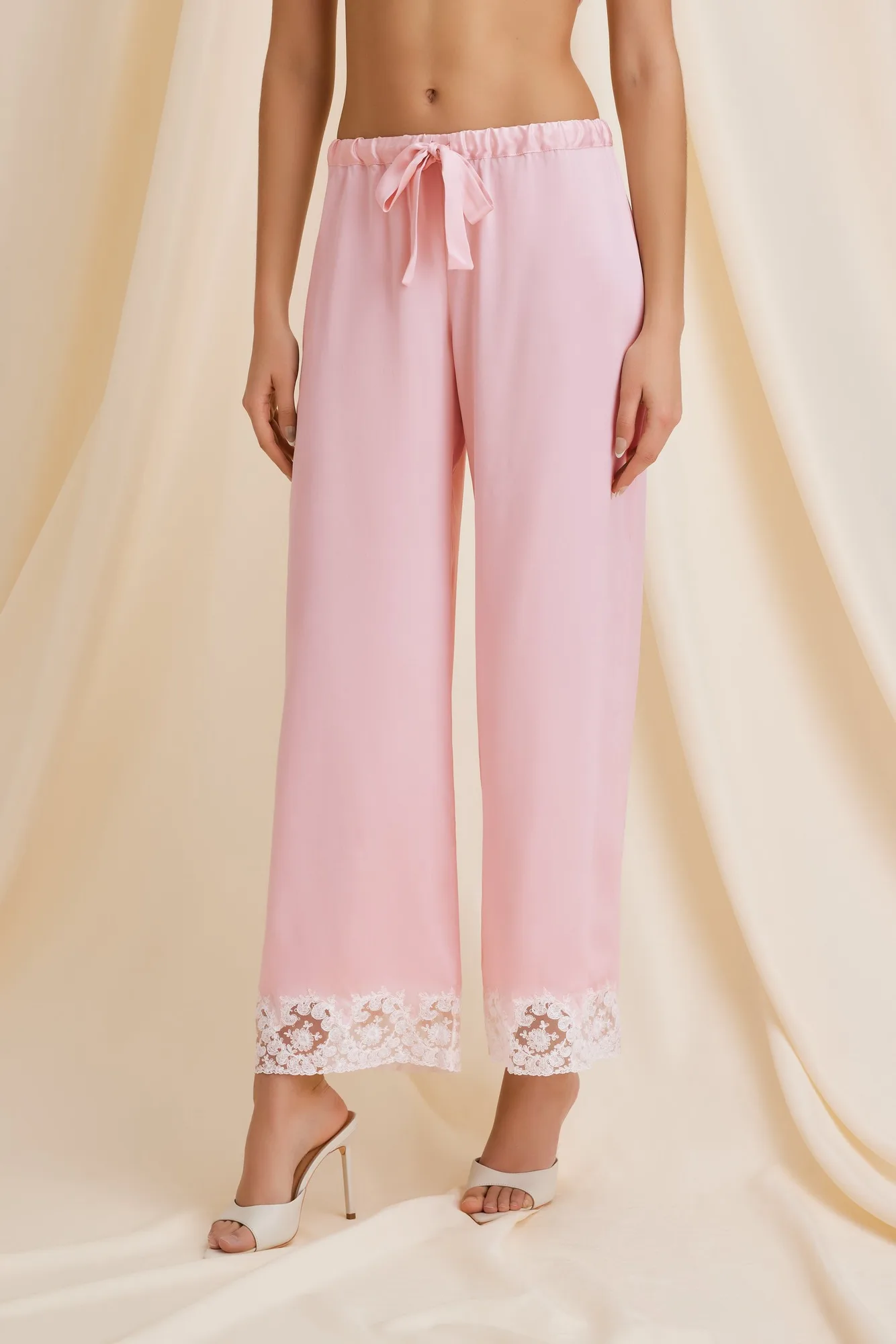
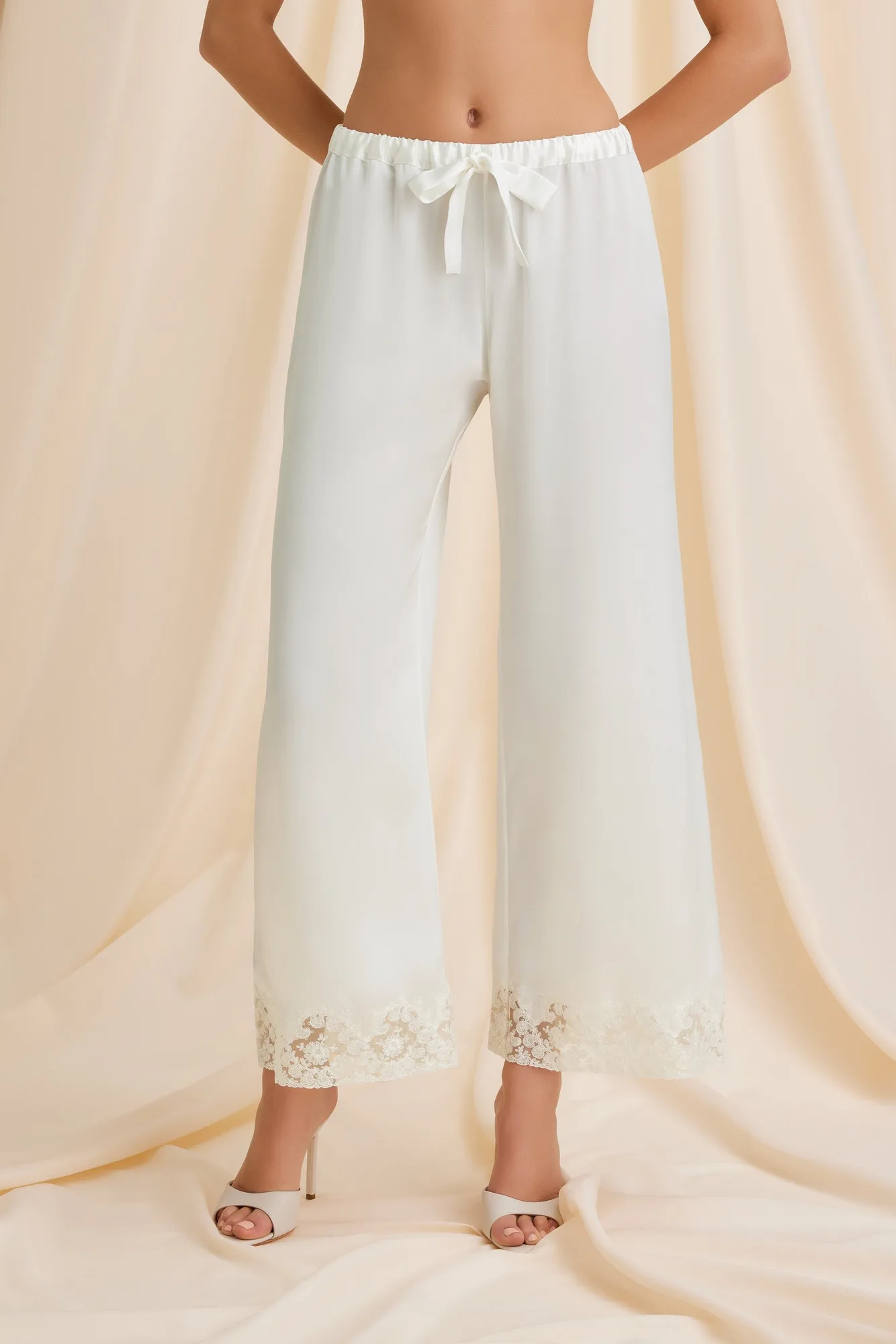
- JAYNE PANT: The https://scarlettgasquegz.com/products/jayne-pant-886e533fd136bbb6ccfdb468-1354887Jayne Pant is cut from 100% silk charmeuse with French seams and a gently fitted waistband. If you are resetting your bra fit, a smooth silk waistband on your sleepwear avoids adding bulk or pressure that can shift your bra band when you move.