Quick answer
A cat avoiding the litter box is almost always responding to something about the box itself, the litter, or its own health. Fix the most physical problems first: scoop daily, keep the box uncovered and in a quiet spot, and remove liners if your cat claws at them. If the box setup is already ideal and your cat still avoids it, or you see straining, blood, or accidents outside the box, book a vet visit before changing anything else.
Start With the Symptom, Not the Solution
Litter box avoidance is a symptom, and the fix depends on which version you are seeing. Watch closely for one full day and note the exact pattern. A cat that stands at the edge of the box, digs frantically, then leaves is usually reacting to the litter or the box surface. A cat that cries while squatting or produces small amounts of urine may have a medical problem. A cat that uses the box for urine but not stool is often reacting to pain or to a box that feels unstable under its feet.
Write down where the accidents happen, what time of day they occur, and whether the box was recently cleaned, moved, or changed. This record makes the difference between guessing and diagnosing, and it is the first thing a vet will ask for.
Rule Out Medical Causes Before You Rearrange Anything
Urinary tract infections, crystals, kidney issues, arthritis, and dental pain can all push a cat away from the box. A cat with a painful bladder may associate the box with the pain of urinating and start avoiding it. A cat with sore joints may struggle to step into a high-sided box. A cat with mouth pain may avoid the box because straining to defecate hurts.
If your cat is straining, vocalizing, licking its genital area, or producing tiny urine spots, call your vet the same day. Urinary blockages in male cats are emergencies. Do not spend a week testing litter brands while a medical problem goes untreated.
Fix the Box Setup: Size, Hood, and Location
Many cat litter box problems trace back to a box that is too small, too covered, or too exposed. The box should be about one and a half times the length of your cat, measured from nose to base of tail, so the cat can turn around and dig without touching the sides. An uncovered box gives your cat an escape route and better airflow. If you use a hooded box, try removing the lid for a week and see whether avoidance stops. Hooded litter box issues are common because the cover traps odor and makes some cats feel cornered.
Place the box in a quiet, low-traffic spot with an exit path. Do not put it next to a noisy appliance or in a dead-end closet. If you have multiple cats, provide one box per cat plus one extra, and spread them across different rooms so no cat has to guard a single location.
Reconsider Liners, Litter, and Cleaning Products
Litter pan liners are convenient for you but unpleasant for many cats. The plastic can snag on claws, shift underfoot, and hold odor against the pan. If your cat scratches at the liner or pulls it up, remove the liner and clean the bare pan instead. If you want to keep using liners, choose unscented ones and secure them tightly so the surface stays flat.
Litter texture and scent matter too. Most cats prefer unscented, fine-grained clumping litter. Scented litters and strong deodorizers can overwhelm a cat's sensitive nose. Clean the box with mild unscented soap and water rather than ammonia-based cleaners, which smell like urine and can encourage marking. Scoop at least once a day and do a full litter change on a schedule that matches your cat's use.
When the Box Is Fine but the Cat Still Avoids It
Stress and change can trigger avoidance even when the box is perfect. A new pet, a move, a baby, construction noise, or a change in your work schedule can all make a cat feel unsafe. Give the cat a quiet room with its own box, food, and water for a few days, then reintroduce it to the rest of the house gradually. Use a pheromone diffuser in the box area if your vet recommends one.
If your cat has started avoiding the box after a negative experience, such as a loud noise while using it, the association can stick. Try adding a second box in a different location and keep both spotless. Never punish a cat for an accident. Punishment increases stress and makes the avoidance worse.
Litter Box Avoidance Diagnosis Chart
- Cat digs at the box edge, then leaves without going: The litter texture, depth, or liner is likely the problem. Try unscented fine clumping litter at about two inches deep and remove any liner. If the behavior stops within three days, keep the new setup.
- Cat cries or strains while in the box: This points to a medical cause such as a urinary tract infection, crystals, or arthritis. Call your vet the same day. Do not wait to see if it resolves on its own.
- Cat uses the box for urine but not stool: Pain, constipation, or a box that feels unstable under the feet are common causes. Add a second box with low sides and keep it very clean. If there is no improvement in 48 hours, see your vet.
- Cat avoids the box only after a household change: Stress is the likely trigger. Give the cat a quiet room with its own box and reintroduce it to the house gradually. If avoidance lasts more than a week, ask your vet about pheromone support.
- Cat avoids the box and you have already fixed setup and stress: At this point, stop changing the box and choose a different option: a veterinary behavior consultation or a full medical workup. Ongoing avoidance without a clear cause needs professional help, not more litter trials.
Products That Can Help With Specific Box Problems
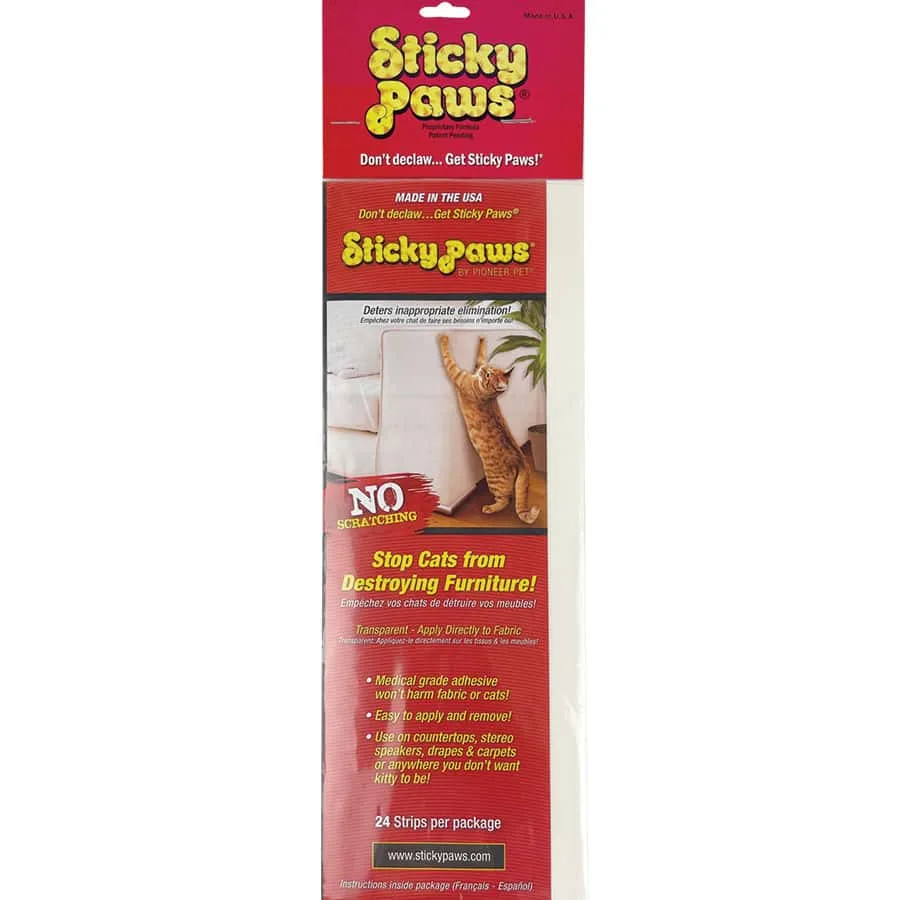
- Sticky Paws Strips Pet Furniture Protector 24 Ct: Sticky Paws Strips Pet Furniture Protector 24 Ct uses transparent, medical-grade adhesive strips that are harmless to cats and furniture when used as directed and are easy to remove. If your cat is avoiding the box and scratching furniture near it, these strips can redirect that behavior without adding stress to the box area.
- ProDen PlaqueOff® Powder Dental Supplement for Dogs & Cats 6.4 oz: ProDen PlaqueOff Powder Dental Supplement for Dogs & Cats 6.4 oz is a daily dental supplement made with 100% specially selected North Atlantic seaweed that you sprinkle over food. Dental pain can make a cat associate the litter box with discomfort, so supporting oral hygiene is one part of ruling out physical causes.