Quick Answer
Cats scratch to mark territory, stretch muscles, and maintain claw health. A dedicated scratching toy redirects this natural behavior away from your furniture. Choose a sturdy, appealing scratcher and place it near the spots your cat already targets.
Why Cats Scratch Furniture
Scratching is not a bad habit; it is a deeply ingrained instinct. Cats scratch to remove the dead outer layer of their claws, to stretch their bodies, and to leave both a visual mark and a scent from glands in their paws. This communication helps them feel secure in their territory, which is especially important for indoor cats that cannot roam outdoors.
When your cat scratches your sofa, they are not trying to annoy you. They are responding to a need. Understanding this is the first step toward a cat scratching solution that works for both of you.
Choosing the Right Scratching Toy
Not all scratching toys are equal. Some cats prefer vertical posts, others like horizontal pads, and many enjoy a variety of textures. Cardboard cat scratchers are a popular choice because they are affordable, recyclable, and satisfying for many cats. However, some cats prefer sisal rope or carpet-like materials. Observe your cat's current scratching spots: if they scratch the arm of a chair, a vertical post may be best; if they scratch a rug, a flat cardboard pad might be more appealing.
Placement is just as important as the toy itself. Put the scratching toy near the furniture your cat has targeted, or in a high-traffic area where they like to play. You can also use catnip to attract them to the new toy. Be patient; it may take a few days for your cat to adopt the new scratching spot.
Encouraging Your Cat to Use the Scratcher
Once you have chosen a scratching toy, make it inviting. Rub catnip on it, or use a toy to lead your cat to it. When your cat uses the scratcher, reward them with praise or a treat. Never punish your cat for scratching furniture; this can cause stress and make the problem worse. Instead, consistently redirect them to the scratching toy.
If your cat continues to scratch furniture, try covering the area with double-sided tape or a plastic carpet runner with the nubs facing up. These textures are unpleasant for cats and can deter them. Remember, the goal is to make the scratching toy more appealing than the furniture, not to make your cat fearful.
Diagnosis: Is a Scratching Toy the Right Solution?
- Symptom: Your cat scratches furniture, curtains, or carpets. This is normal cat behavior, not a behavioral problem.
- Likely Cause: Your cat needs to mark territory, stretch, and maintain claw health. They may not have an appealing alternative. Provide a suitable scratching surface to meet these needs.
- Corrective Action: Introduce a scratching toy that matches your cat's texture and orientation preferences. Place it near the problem area and encourage use with catnip or praise. Most cats will adopt the new scratcher within a few days.
- When to Stop or Choose Another Option: If your cat ignores the scratching toy after a week, try a different type (e.g., vertical vs. horizontal, cardboard vs. sisal). If your cat shows signs of stress or anxiety, or if scratching is accompanied by other behavioral changes, consult your veterinarian. Persistent issues may require professional advice.
Scratching Toy Essentials at Petplanet
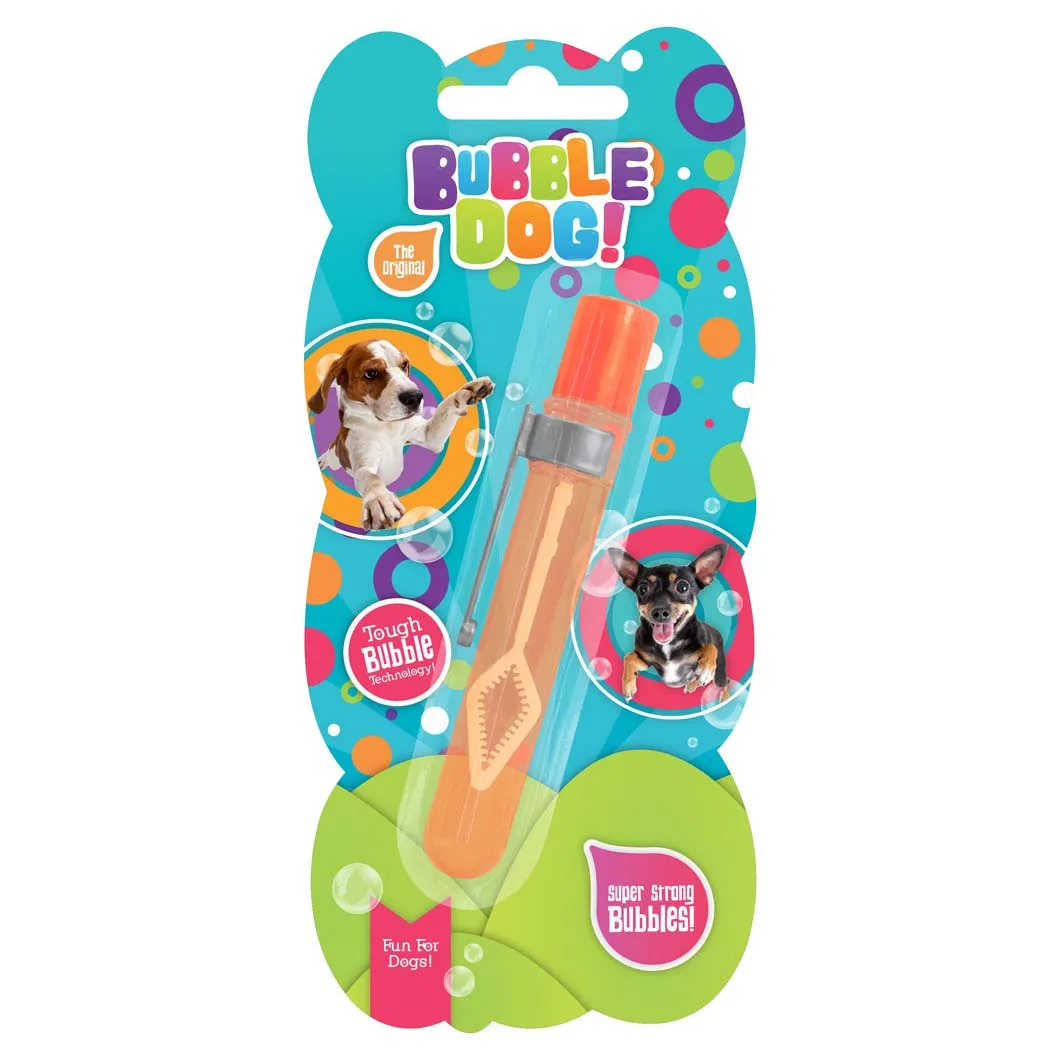
- Bubble Dog Solution with Wand: The Bubble Dog Solution with Wand is a pet-safe bubble solution with a peanut butter scent, designed for interactive play with your dog. While not a scratching toy, this product shows Petplanet's range of interactive toys that can keep pets engaged. For cats, consider pairing a scratching toy with interactive play to reduce boredom and destructive scratching.