If you're lucky enough to have a fenced yard, you might think you can skip formal leash training. After all, your dog has room to roam, and you don't have to worry about them darting into traffic. But even in the safety of your own backyard, there are hidden dangers and training gaps that a simple tool—the training tab leash—can address.
A training tab is a short leash, typically 6 to 12 inches long, that attaches to your dog's collar or harness and drags behind them. It's a staple for professional trainers, but it's often overlooked by everyday pet parents. In this article, we'll explore why a training tab leash is essential even if you have a fenced yard, and how it can improve your dog's recall, safety, and overall behavior.
What Is a Training Tab Leash?
A training tab leash is a short, lightweight leash without a handle, designed to stay attached to your dog's collar or harness during training sessions. It gives you a quick way to grab your dog without fumbling for a long leash, and it allows your dog to drag it around freely, which is key for teaching recall and impulse control.
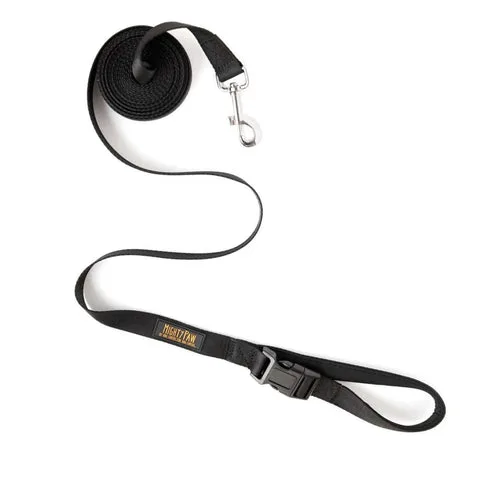
long leash
Unlike a standard leash, a training tab is not meant for walks. Instead, it's a training aid that lets you interrupt unwanted behavior instantly and guide your dog into desired actions. It's especially useful in situations where you need a quick correction or a gentle redirect, such as in your backyard.
- Short length (6-12 inches) prevents tangling and dragging issues
- No handle means it won't catch on fences or bushes as easily
- Allows for quick grabbing and gentle guidance without a full leash
Why a Fenced Yard Isn't a Free Pass
A fenced yard gives your dog freedom, but it also introduces unique challenges. Dogs can develop 'fence aggression'—barking and lunging at passersby—or become overly territorial. They might also learn that ignoring you is okay because they can simply run away when you call. This undermines recall training, which is critical for safety in emergency situations.
Additionally, a fenced yard can become a place where your dog practices unwanted behaviors like digging, excessive barking, or door-dashing. Without a way to quickly intervene, these habits can become ingrained. A training tab gives you the ability to gently correct and redirect your dog in the moment, turning your backyard into a training ground rather than a free-for-all.
- Prevents 'selective hearing' when you call your dog
- Helps manage fence-running and barking at neighbors
- Allows you to interrupt digging or other destructive behaviors
Improving Recall with a Training Tab
Recall—the ability to call your dog to you—is one of the most important commands for safety. In a fenced yard, your dog may learn that coming when called is optional, especially if they're having fun. A training tab gives you a physical way to reinforce the command: you can gently reel your dog in or use the tab to prevent them from running off before they respond.
Using a training tab in your yard allows you to practice recall in a controlled environment. For example, you can call your dog, and if they don't come, you can step on the tab to stop them, then guide them to you. This teaches them that coming when called is non-negotiable, even when distractions are present. Over time, this builds a reliable recall that could save their life in an unenclosed area.
- Practice recall with distractions like squirrels or other dogs
- Use the tab to gently guide your dog to you, reinforcing the command
- Gradually increase distance and difficulty as your dog improves
Safety Benefits in the Backyard
Even in a fenced yard, accidents happen. Your dog might slip out through an open gate, get into something toxic, or encounter a wild animal. A training tab gives you a quick way to grab your dog if they're about to bolt out the door or get into trouble. It's like having a handle on your dog at all times, without the hassle of a long leash.
Moreover, a training tab can be a lifesaver during emergencies. If your dog starts choking or gets injured, you can quickly pull them to safety without fumbling with a collar. It also helps in situations where you need to separate dogs during a scuffle—you can grab the tab instead of reaching for a collar, reducing the risk of being bitten.
- Quickly grab your dog if they try to escape through a gate
- Easily pull your dog away from dangerous items or situations
- Useful for separating dogs during rough play or fights
Training Tab vs. Regular Leash for Backyard Use
You might wonder why you can't just use a regular leash in your backyard. While a standard leash can work in a pinch, it's often too long and cumbersome for training. A 6-foot leash can drag and get tangled, and the handle can catch on objects. A training tab is designed to be unobtrusive, so your dog can move freely while still being within reach.
For structured training sessions, you might combine a training tab with a longer leash or a harness. For example, you can use a training tab for quick corrections and a standard leash for focused walking practice. Many trainers recommend using a training tab as a stepping stone to off-leash reliability, especially in a safe, enclosed area.
- Training tab is lighter and less intrusive than a standard leash
- Allows your dog to move naturally while staying connected
- Ideal for transitioning to off-leash control
Integrating the Training Tab with Other Gear
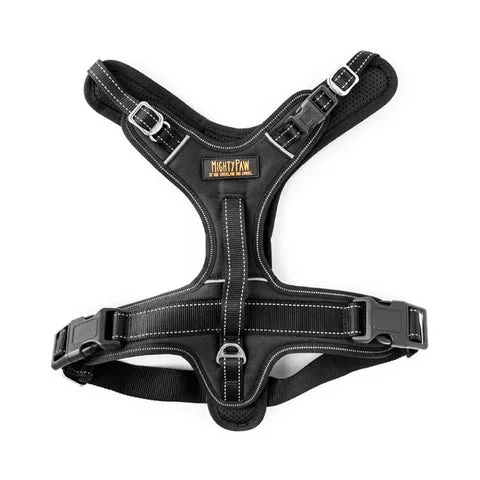
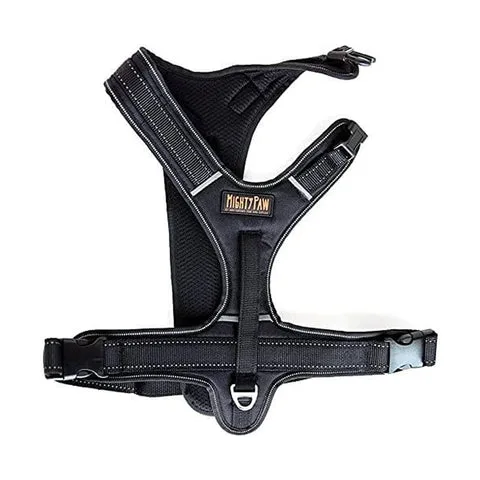
A training tab works well with various training tools. For instance, pairing it with a well-fitted harness like the https://mightypawerf.com/products/sport-dog-harness-2-0-319194Sport Dog Harness 2.0 can give you better control and reduce strain on your dog's neck. The harness provides a secure attachment point, and the tab allows you to guide your dog without pulling on their collar.
When working on recall, you can use a training tab along with high-value treats like All-Natural Chicken Jerky or All-Natural Beef Collagen Sticks. These treats reinforce positive behavior and make training sessions more rewarding for your dog. Remember, the tab is a tool for guidance, not punishment—always pair it with positive reinforcement.
- Use a harness for better control and comfort during training
- Reward your dog with tasty treats to reinforce good behavior
- Keep training sessions short and fun to maintain engagement
Choosing the Right Training Tab
When selecting a training tab, consider the material and length. Nylon tabs are durable and easy to clean, while leather tabs offer a softer feel. The length should be short enough to avoid tangling but long enough for you to grab easily. A tab that's too long can become a tripping hazard for you and your dog.
You can also find training tabs with a clip that attaches to a harness or collar. Some come with a reflective strip for visibility during early morning or evening training sessions. While you may not find a dedicated training tab in our store, you can use a short leash like the Hands-Free Bungee Leash Set 2.0 in a pinch—just hold the handle or let it drag (though it's longer than ideal). For a proper tab, consider cutting a standard leash to the desired length and sealing the end.
- Choose a length that's easy to grab but not too long (6-12 inches)
- Opt for a durable material like nylon or leather
- Consider a clip that swivels to prevent tangling
A training tab leash is a simple yet powerful tool that every dog owner should have, even with a fenced yard. It improves recall, safety, and training consistency, turning your backyard into a controlled environment for learning. Pair it with the right gear and treats, and you'll see a well-behaved dog in no time. Explore our collection of training essentials, including the Sport Dog Harness 2.0 and All-Natural Chicken Jerky, to get started.