Quick Answer
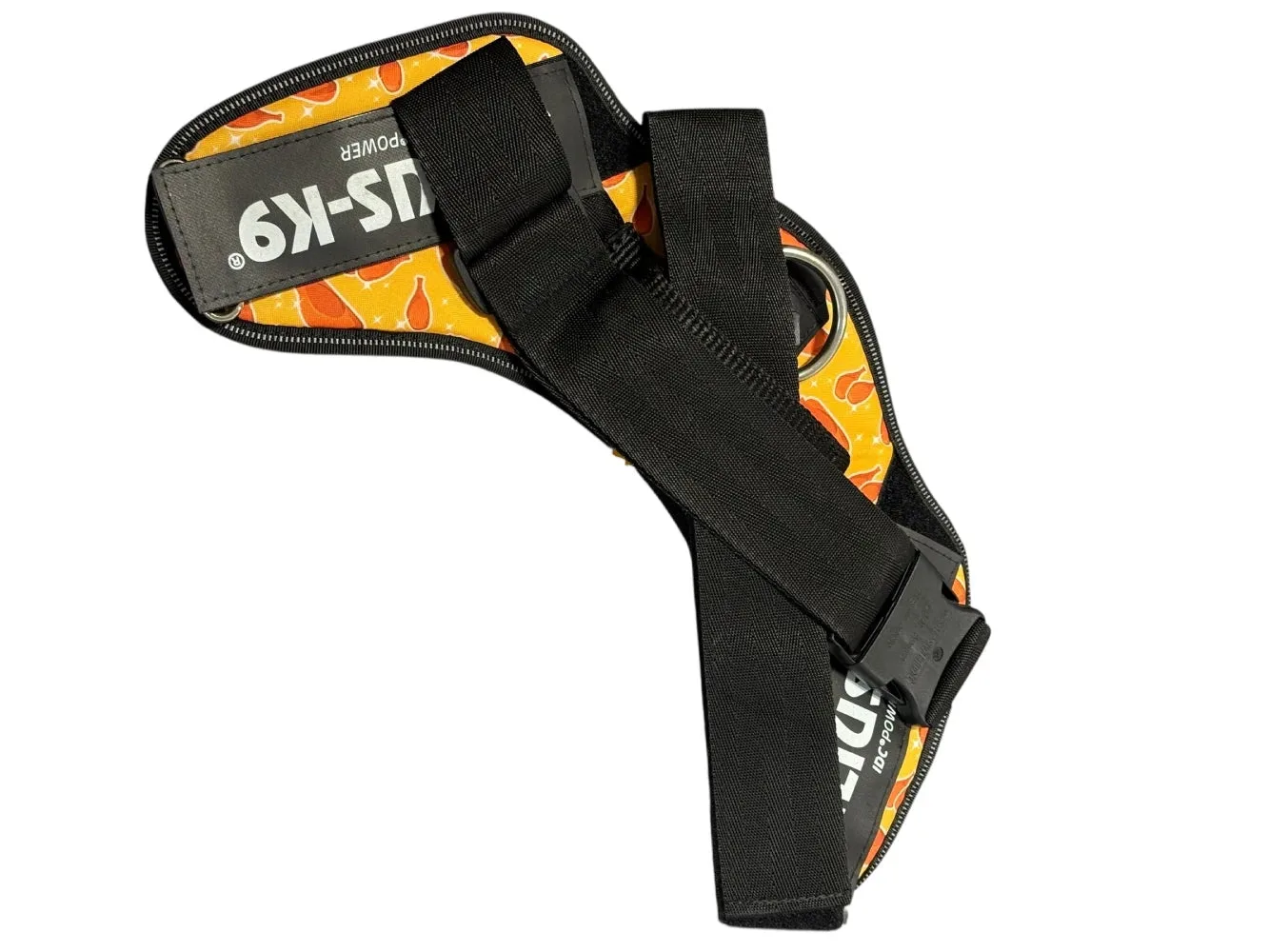
Harness rubbing usually comes from poor fit, rough edges, or trapped debris. Check the chest and leg openings for gaps or tight spots, clean the harness regularly, and consider adding a padded or super-grip leash to reduce pressure. If chafing persists, switch to a better-padded harness.
Common Causes of Harness Rubbing
A harness that's too loose lets the straps slide against your dog's skin, while one that's too tight digs into the fur and causes friction. The most sensitive areas are the armpits, chest, and behind the front legs. Dirt, salt, or sand trapped between the harness and skin can also act like sandpaper, especially after wet walks.
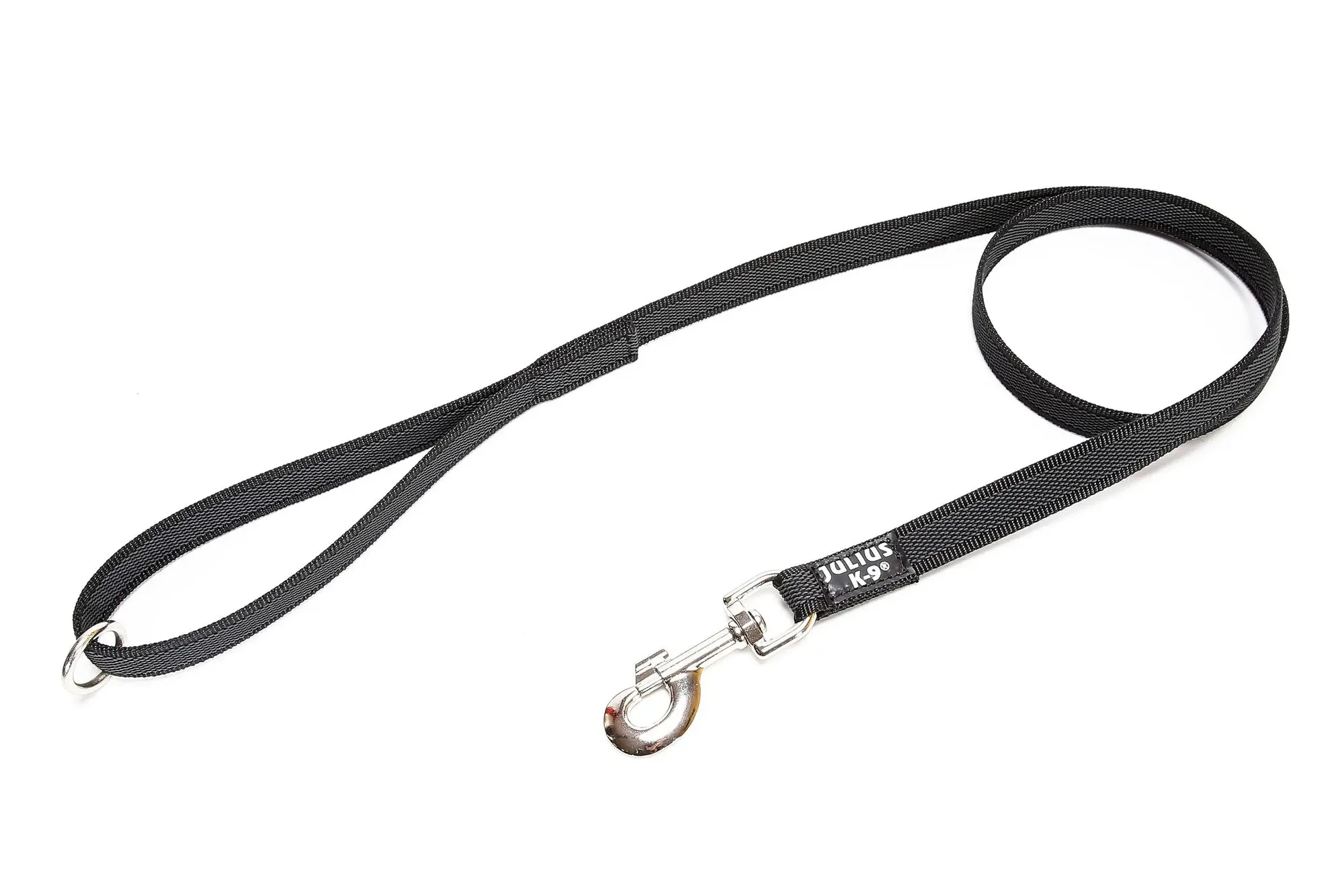
Another overlooked cause is a worn or stiff leash. If your dog pulls hard, a standard leash can transfer extra tension to the harness straps, increasing rub points. The Julius-K9 Color & Gray Super-Grip Leash uses woven rubber threads to give you a non-slip hold, which reduces the need to yank or adjust mid-walk.
How to Diagnose the Problem
Run your hand flat under each strap. You should be able to slide two fingers comfortably between the harness and your dog's body — not more, not less. Check for red marks, missing fur, or moist spots after walks. If you see any, that strap is the culprit.
Also inspect the harness material. Rough edges, frayed stitching, or hardened plastic buckles can abrade skin even if the fit is perfect. Wash the harness in warm water with mild soap and let it air dry to remove grit that might be causing irritation.
When to Consider a Different Leash or Harness
If adjusting the fit and cleaning don't stop the rubbing, the harness design may not suit your dog's body shape. Some dogs need a longer chest strap or a different strap layout. Before buying a new harness, try a different leash. A super-grip leash like the Julius-K9 Color & Gray Super-Grip Leash gives you steadier control, which can reduce sideways pressure on the harness and stop it from shifting.
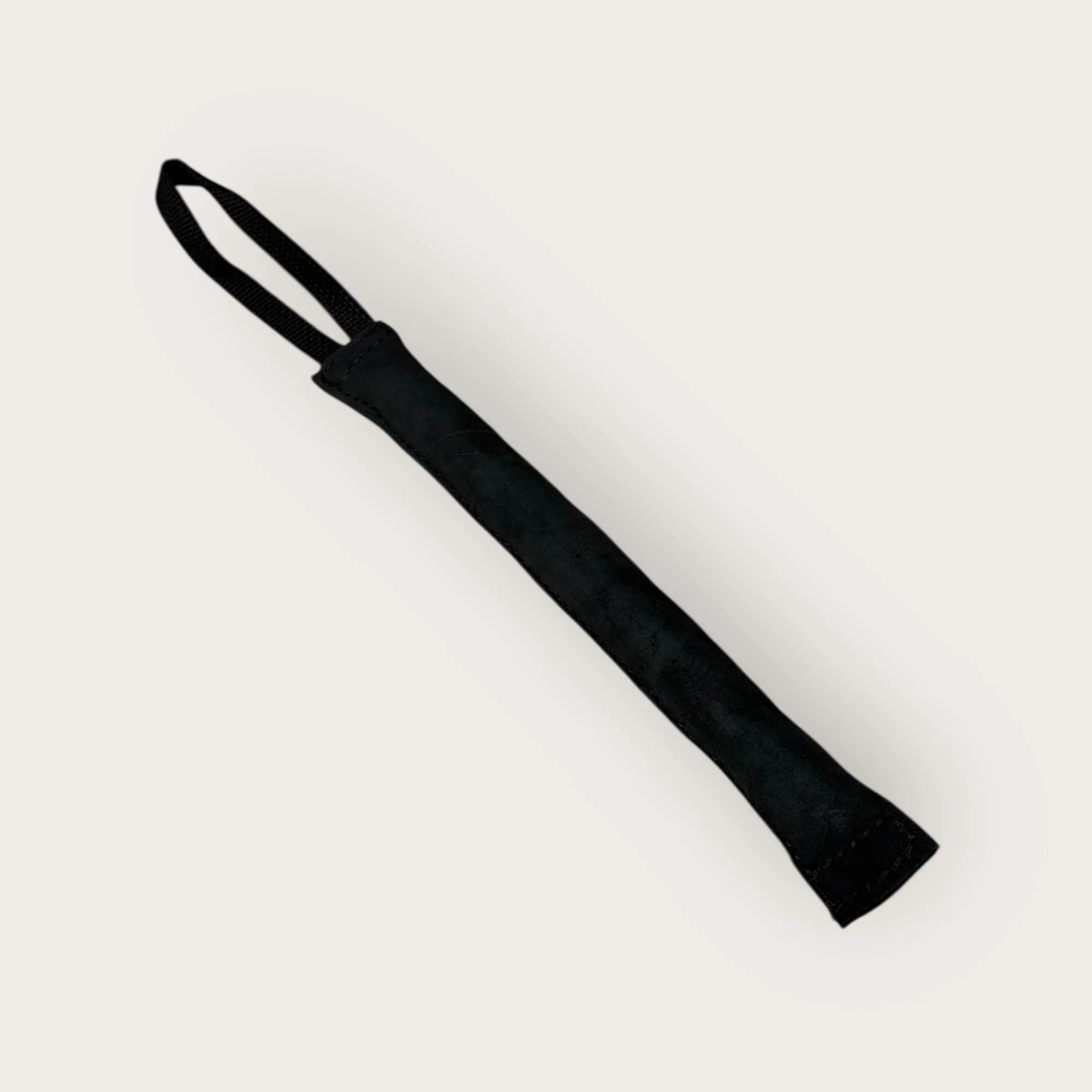
For dogs with sensitive skin or thin coats, a harness with more padding or a softer lining can make a big difference. The Biothane Dog Leash is waterproof and odor-resistant, so it won't absorb dirt or moisture that could transfer to the harness. Pairing it with a well-fitted harness often solves persistent chafing.
Diagnosis: Is Your Harness Causing the Rub?
- Symptom: Redness, missing fur, or moist spots on the chest, armpits, or behind the front legs after walks. This indicates friction at specific contact points.
- Likely Cause: Harness too loose or too tight, rough strap edges, or trapped dirt/debris under the straps. Check fit with the two-finger test and inspect material condition.
- Corrective Action: Adjust all straps so the harness sits snug but not tight. Wash the harness in warm water with mild soap and let it air dry. Swap to a super-grip leash for steadier control. If symptoms disappear after 2-3 walks, the fix worked.
- When to Stop or Choose Another Option: If rubbing continues after fit adjustment, cleaning, and leash change, the harness design likely doesn't suit your dog's body shape. Consider a harness with more padding or a different strap layout. Persistent chafing means it's time to switch gear, not keep adjusting.
Gear That Helps Prevent Chafing
- Julius-K9 Color & Gray® Super-Grip Leash with Handle: Woven rubber threads give you a non-slip grip even in rain, mud, or cold weather — while the lightweight construction means your hand never gets tired. A secure grip reduces the need to pull or adjust the leash, which in turn minimizes harness shifting and rubbing on your dog's skin.
- Biothane® Dog Leash — Waterproof, Made in the USA: Waterproof, odor-resistant, and virtually indestructible — with a leather-like feel that's comfortable in your hand and tough enough for any adventure. Because it won't absorb moisture or dirt, this leash stays clean and won't transfer grit to your dog's harness, cutting down on friction points.