Quick answer
Most harness rubbing comes from a strap that sits too loose, too tight, or crosses a joint at an angle. Start by checking the fit at the chest and shoulders, then adjust one strap at a time. If the skin is already broken, stop using the harness until it heals and switch to a different style or size.
Check the fit before you blame the harness
A harness that rubs usually fails one of three fit tests: the chest strap slides down onto the point of the shoulder, the girth strap sits too far back near the last rib, or the neck opening is loose enough to shift side to side. Each of these creates repeated friction in a different spot. Before adjusting anything, walk your dog on a leash for two minutes and watch where the harness moves. Mark the rub point with a piece of tape on the harness itself so you can see whether your adjustment actually changes the contact area.
Adjust one strap at a time
Harness sizing fix is rarely about going up or down a whole size. It is about strap length. Tighten the girth strap until you can fit two fingers flat under it, then check that the chest strap still allows a full shoulder reach. If the chest strap is tight but the girth is loose, the harness will rotate during movement and rub under the front legs. Make one change, walk your dog again, and look for the same tape mark. If the mark moves, you are solving the right problem.
When the hardware is the problem
Worn or mismatched hardware can cause chafing even when the straps are adjusted correctly. A buckle that has lost its grip will let the strap creep looser over a walk, and a clamp that no longer holds its position can shift the harness sideways. Inspect every buckle and clamp for cracks, bent edges, or a loose fit. Replacement parts are inexpensive and take a few minutes to install, but only if they match the harness system you already own.
Stop and switch when the skin is damaged
If you see redness, hair loss, or an open sore, stop using the harness immediately. A damaged harness or a fit that cannot be corrected will keep irritating the same spot no matter how carefully you adjust it. Give the skin time to heal, then try a different harness style or size. If the rub returns in the same place after two fit attempts, the harness is not the right shape for your dog.
Diagnosis: match the symptom to the fix
- Rub marks behind the front legs: The girth strap is likely too far back or too loose. Tighten the girth so two fingers fit flat under it, then check that the chest strap still allows a full shoulder reach. If the marks move forward after tightening, you are on the right track. If they stay in the same spot, the harness shape is wrong for your dog.
- Hair loss on the point of the shoulder: The chest strap is sitting too low or too tight. Loosen the chest strap one notch and shorten the neck opening so the strap stays above the shoulder joint. If the strap still slides down after two adjustments, switch to a harness with a different chest design.
- Sore under one armpit only: The harness is rotating to one side, often because a buckle or clamp is slipping. Check every buckle for grip and every clamp for a secure hold. Replace worn hardware before adjusting straps again. If the rotation continues with new hardware, the harness size is wrong.
Parts that help solve harness rubbing
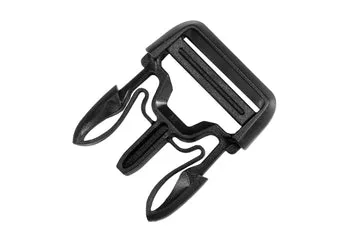
- Harness Buckle: The Harness Buckle is a replacement part compatible with Nonstopdogwear harnesses, with a simple design that is easy to install. A slipping or cracked buckle lets straps loosen mid-walk, which changes the fit and causes rubbing. Replacing it restores the original adjustment.
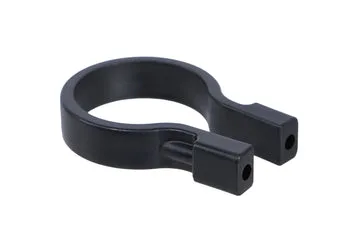
- Klickfix Clamp 35mm: The Klickfix Clamp 35mm is part of the Klickfix mounting system and uses a 35mm clamp size suitable for a range of handlebars or frames. If you use a bike attachment with your dog's harness, a worn or loose clamp can shift the connection point and pull the harness sideways. Checking this clamp is part of ruling out hardware as a rubbing cause.
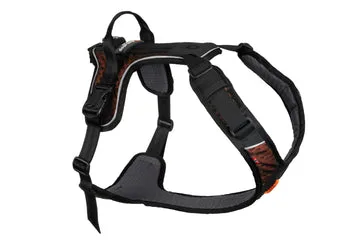
- Rock Harness: The Rock Harness from Nonstopdogwear is a durable harness designed for active dogs, with a secure fit and sturdy construction for everyday walks, training, or outdoor adventures. If your current harness cannot be adjusted to stop rubbing, a different harness style with a secure fit may solve the problem. The Rock Harness is one option to compare against your dog's measurements.