Quick answer
The slime on your electric toothbrush handle is usually a biofilm caused by moisture, toothpaste residue, and airborne bacteria. Clean it weekly with a soft cloth and mild soap, and dry the handle thoroughly after each use. Avoid submerging the handle or using harsh chemicals.
What causes the slime on a toothbrush handle?
That pink or orange film is often Serratia marcescens, a common airborne bacterium that thrives in damp bathrooms. When toothpaste foam and water pool around the handle base or in crevices, bacteria multiply and form a visible biofilm. The same can happen with mold if the handle stays wet for hours. This isn't a defect—it's a hygiene habit issue that's easy to fix.
How to clean your electric toothbrush handle safely
Start by unplugging the handle or removing it from the charger. Wipe the entire handle with a soft, damp cloth and a drop of mild dish soap. Pay special attention to seams, the power button, and the area where the brush head attaches. Rinse the cloth and wipe again to remove soap residue, then dry with a clean towel. Never submerge the handle or run it through a dishwasher—water can damage the internal battery and motor. For stubborn buildup, use a cotton swab dipped in rubbing alcohol (70% isopropyl) on crevices, then wipe dry. Do this weekly to prevent slime from returning.
Daily habits that prevent slime and mold
After brushing, rinse the brush head briefly under running water while the handle is still in your hand—this washes away toothpaste residue before it dries. Shake off excess water and stand the toothbrush upright in a holder that allows air circulation. Keep it away from the sink edge where water pools. If your bathroom is humid, consider keeping the toothbrush in a cabinet or using a vented cover. These small changes dramatically reduce the moisture that bacteria need to grow.
When cleaning isn't enough
If you notice a persistent smell, visible mold inside the handle seam, or the power button becomes sticky or unresponsive, the seal may be compromised. In that case, stop using the handle and check the warranty. For Oral-B handles, the iO Series 10 and Pro 1000 are both designed with sealed bodies that resist moisture, but no electric toothbrush is completely waterproof. If the handle is damaged, replacement is safer than continued cleaning.
Diagnosis: Is your handle slime a problem or a sign of damage?
- Symptom: Pink or orange film on the handle, especially around the base, power button, or brush head connection. No smell or stickiness. Likely harmless biofilm. Clean with soap and water, then dry thoroughly.
- Likely cause: Moisture and toothpaste residue left on the handle after brushing. Bacteria from the air colonize the damp surface. Improve drying routine. Wipe the handle after every use.
- Corrective action: Weekly cleaning with mild soap and a soft cloth. Use rubbing alcohol on crevices if needed. Replace brush head every 3 months. If cleaning resolves the issue, continue with prevention.
- Stop or choose another option: If the handle has a persistent smell, sticky buttons, or visible mold inside seams after cleaning, the waterproof seal may be broken. Stop using the handle. Check warranty or replace the unit.
Product facts that matter for handle hygiene
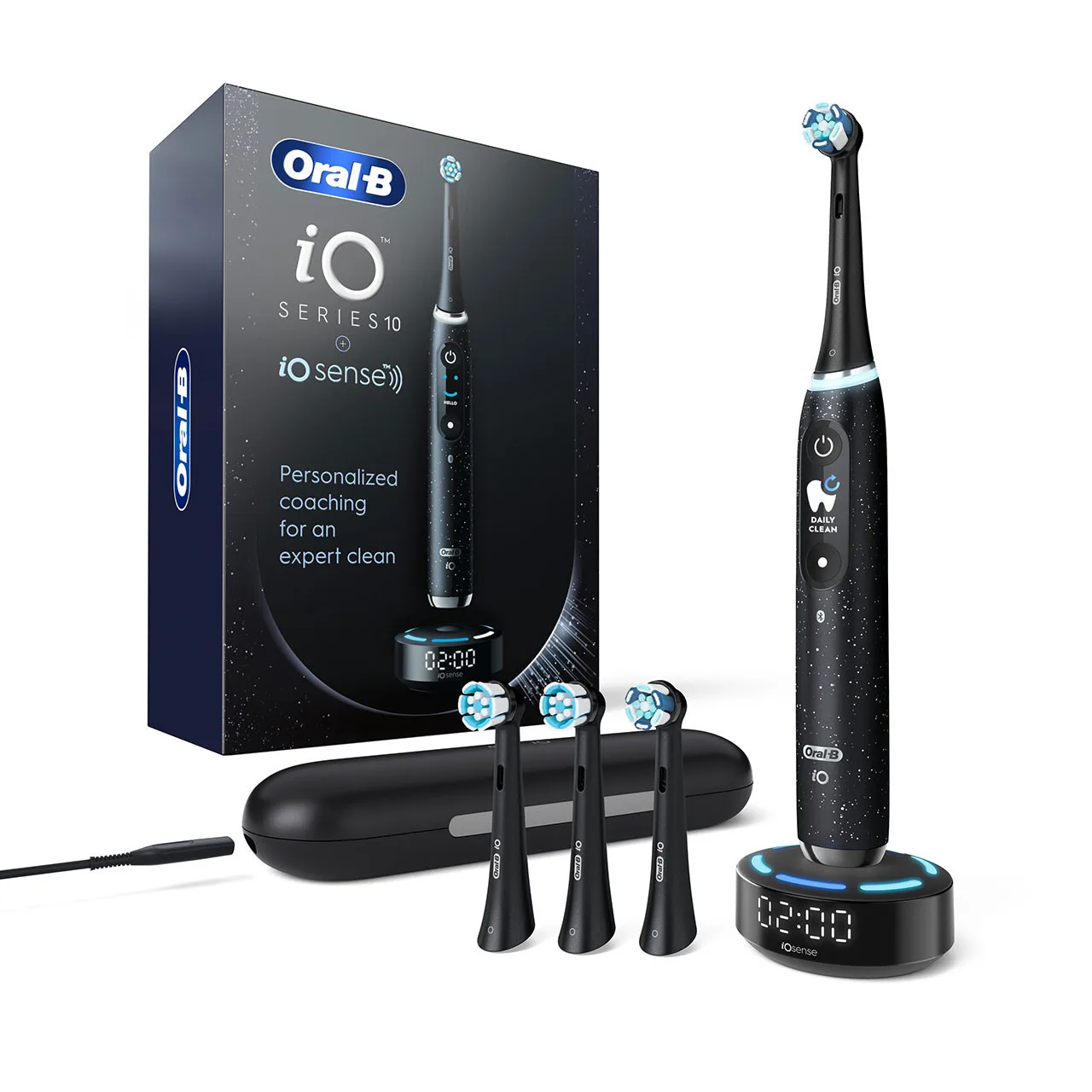
- iO Series 10 Rechargeable Electric Toothbrush, Cosmic Black: Replacement Brush Heads: As color fades, cleaning fades—get back to 100% cleaning power with a fresh brush head every 3 months. A worn brush head can trap more residue and bacteria near the handle connection, increasing slime buildup. Replacing it every 3 months also keeps your clean effective.
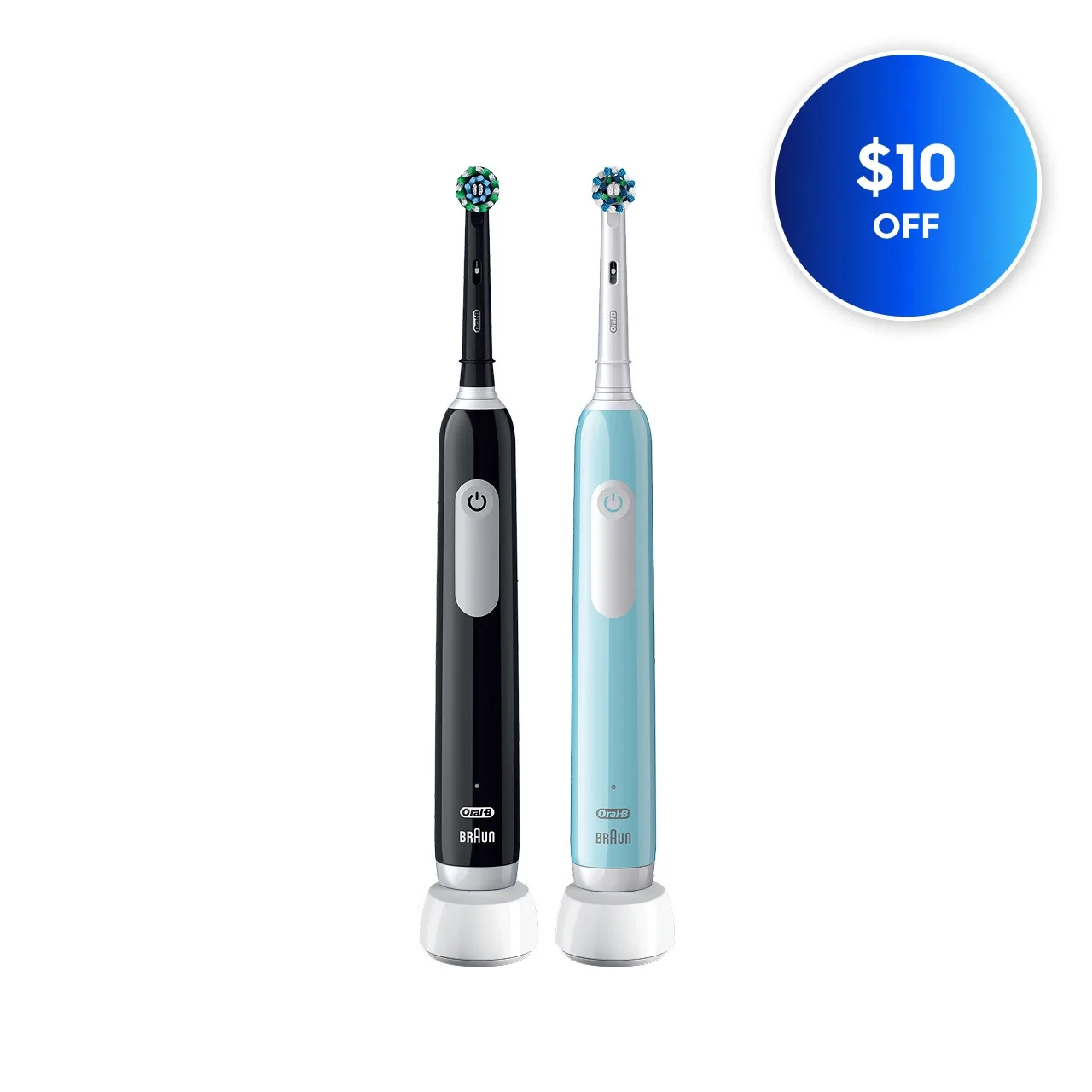
- Pro 1000 Rechargeable Electric Toothbrush Twin Pack, Black and Turquoise: The first electric toothbrush brand to receive the ADA Seal of Acceptance. The ADA Seal means the handle's design and materials have been tested for safety and effectiveness, which includes resistance to moisture damage when used as directed.