Quick answer
A snagging brush usually has debris buildup, damaged bristles, or the wrong design for your hair type. Clean it thoroughly first; if snagging persists, switch to a brush with flexible two-tiered teeth, such as Tangle Teezer's Ultimate Detangler, which glides through wet hair without pulling.
Common causes of brush snagging
Lint, oil, and product residue accumulate between bristles over time, creating a sticky surface that catches hair instead of gliding through. This is the most frequent culprit and often goes unnoticed until the brush starts pulling painfully.
Damaged or bent bristles can also snag. Plastic brushes with molded bristles may develop rough edges after months of use, while natural-bristle brushes can shed or splay, creating uneven tension that tugs at strands.
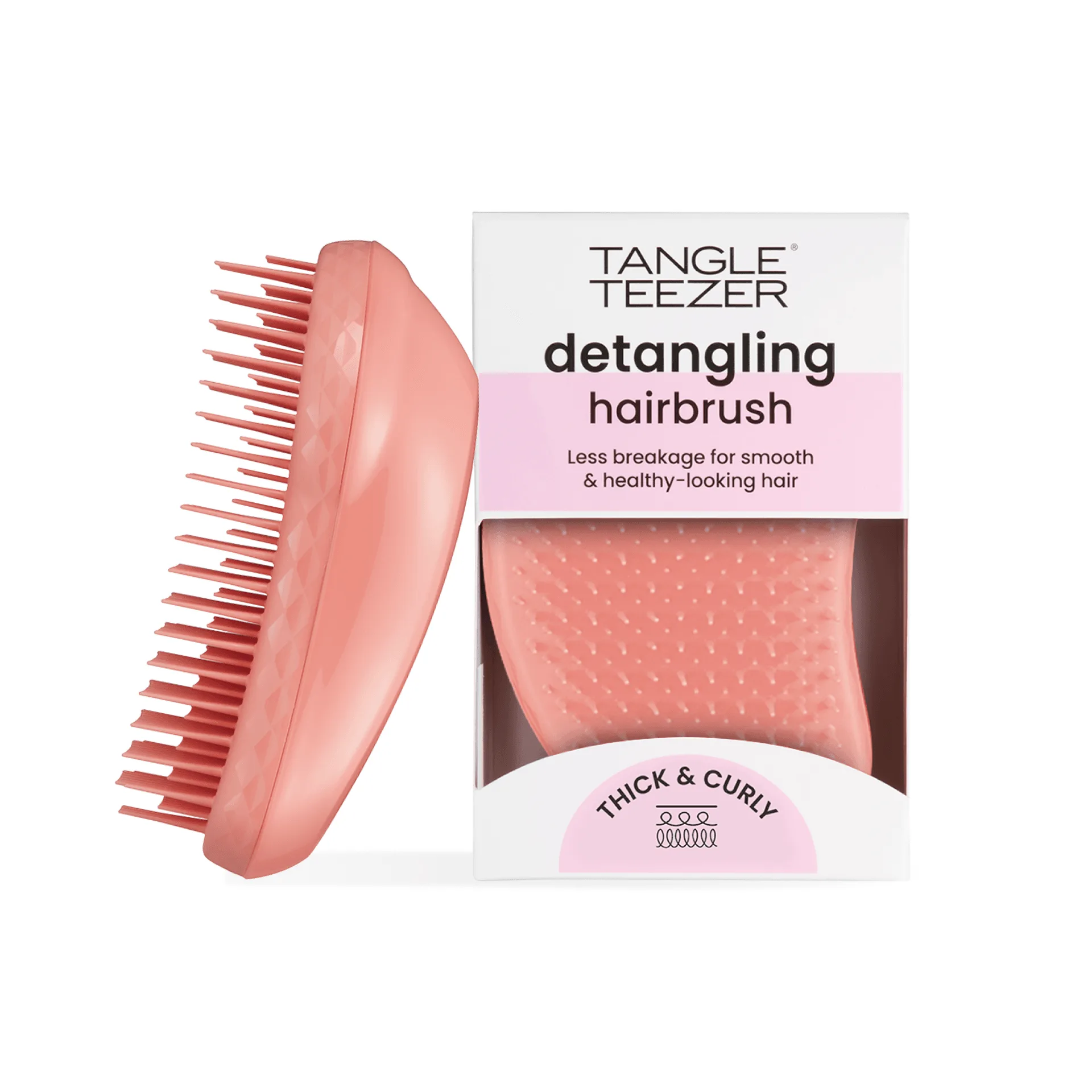
Using a brush designed for a different hair texture is another common issue. A fine-tooth brush on thick curly hair, or a stiff-bristle brush on fragile color-treated hair, will snag because the teeth cannot adapt to the hair's diameter or elasticity.
How to fix a snagging brush
Start with a deep clean. Remove all hair from the bristles, then soak the brush in warm water with a few drops of mild shampoo for 10–15 minutes. Use an old toothbrush to scrub between bristles, rinse thoroughly, and let it dry bristle-side down. Repeat monthly to prevent buildup.
Inspect bristles under good light. If any are bent, cracked, or missing, the brush is past repair. Replace it rather than risk ongoing hair breakage.
Match your brush to your hair's condition. For fine, fragile, or color-treated hair, choose a brush with softer, flexible teeth. For wet detangling, look for a brush specifically designed for shower use with a non-slip handle and two-tiered teeth that detangle and smooth in one pass.
Snag diagnosis: symptom, cause, and fix
- Symptom: Brush catches or pulls hair, especially at mid-lengths and ends. You may hear a tearing sound or feel sharp tugs. If pulling occurs only on wet hair, the brush likely lacks flexible teeth for wet detangling.
- Likely cause: Debris buildup, damaged bristles, or a brush design mismatched to your hair type (e.g., stiff bristles on fine hair). Check for visible residue and bristle condition first. If clean and intact, the design is the issue.
- Corrective action: Deep clean the brush. If snagging continues, replace it with a brush suited to your hair texture and condition—such as a two-tiered detangler for wet use. After switching, if snagging still occurs, consider a softer-grade version like the Fine & Fragile model.
- Stop or choose another option: If your brush is clean, undamaged, and matched to your hair type but still snags, the problem may be your technique (brushing from roots instead of ends) or product buildup on your hair itself. Try brushing from the bottom up and using a clarifying shampoo before buying another brush.
Product spotlight
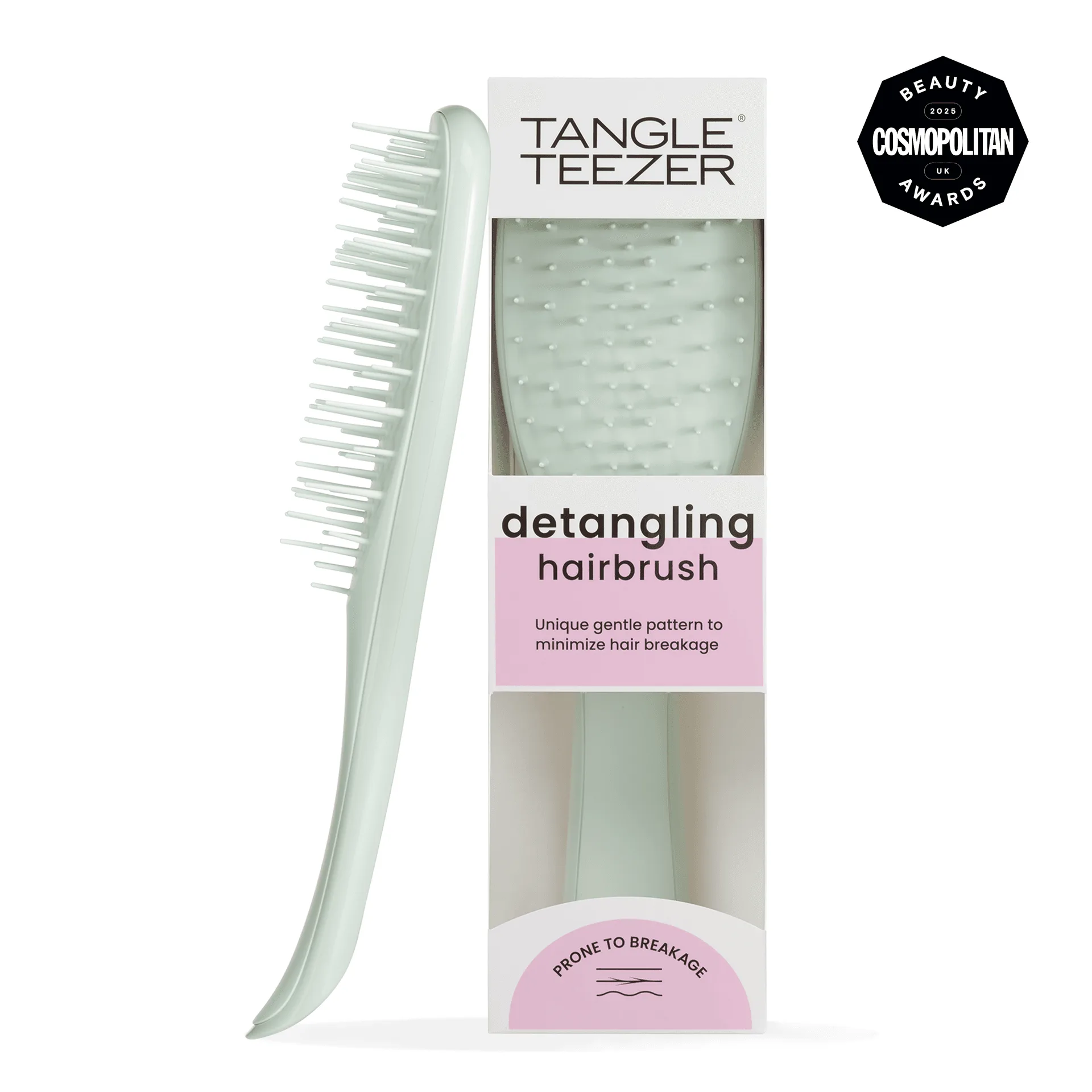
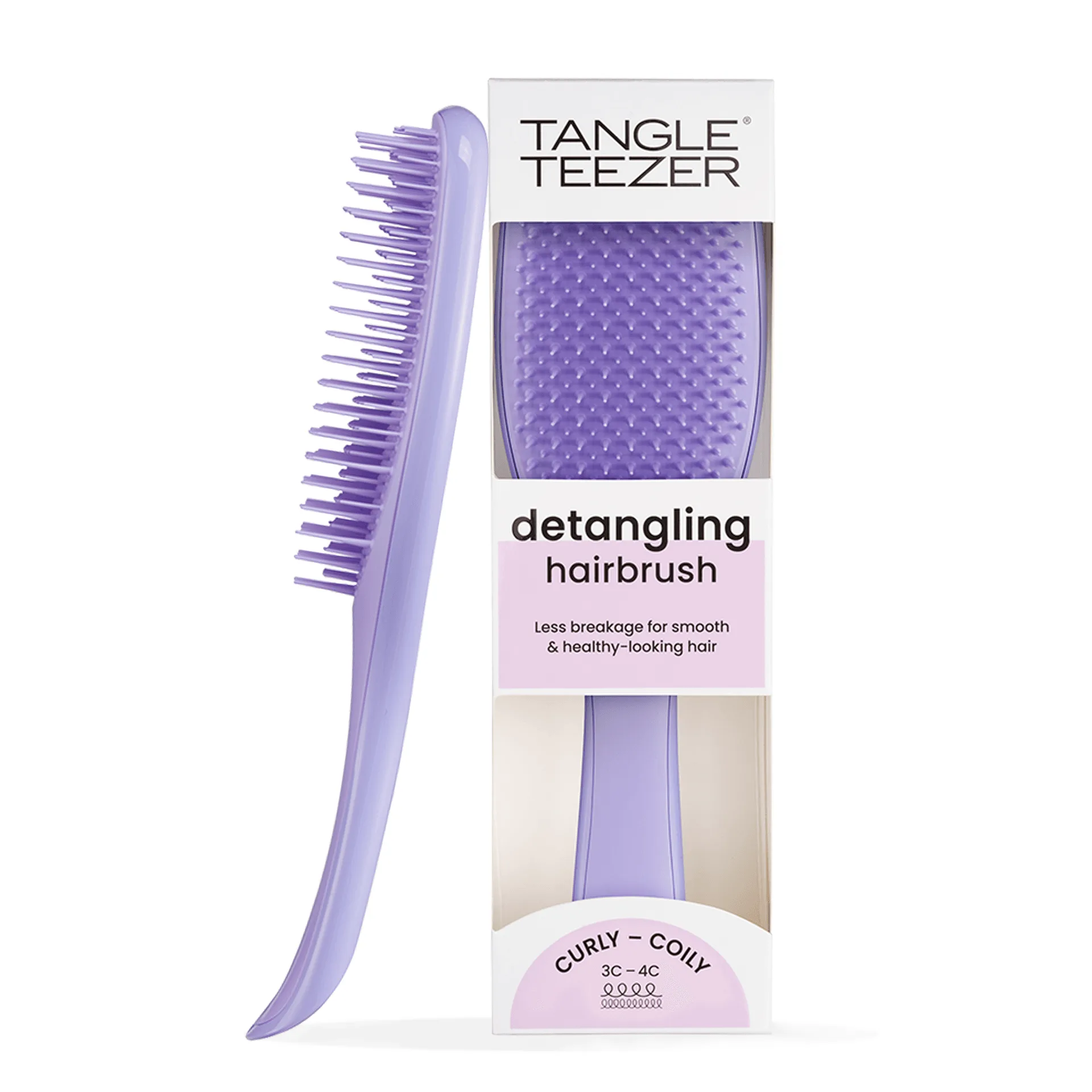
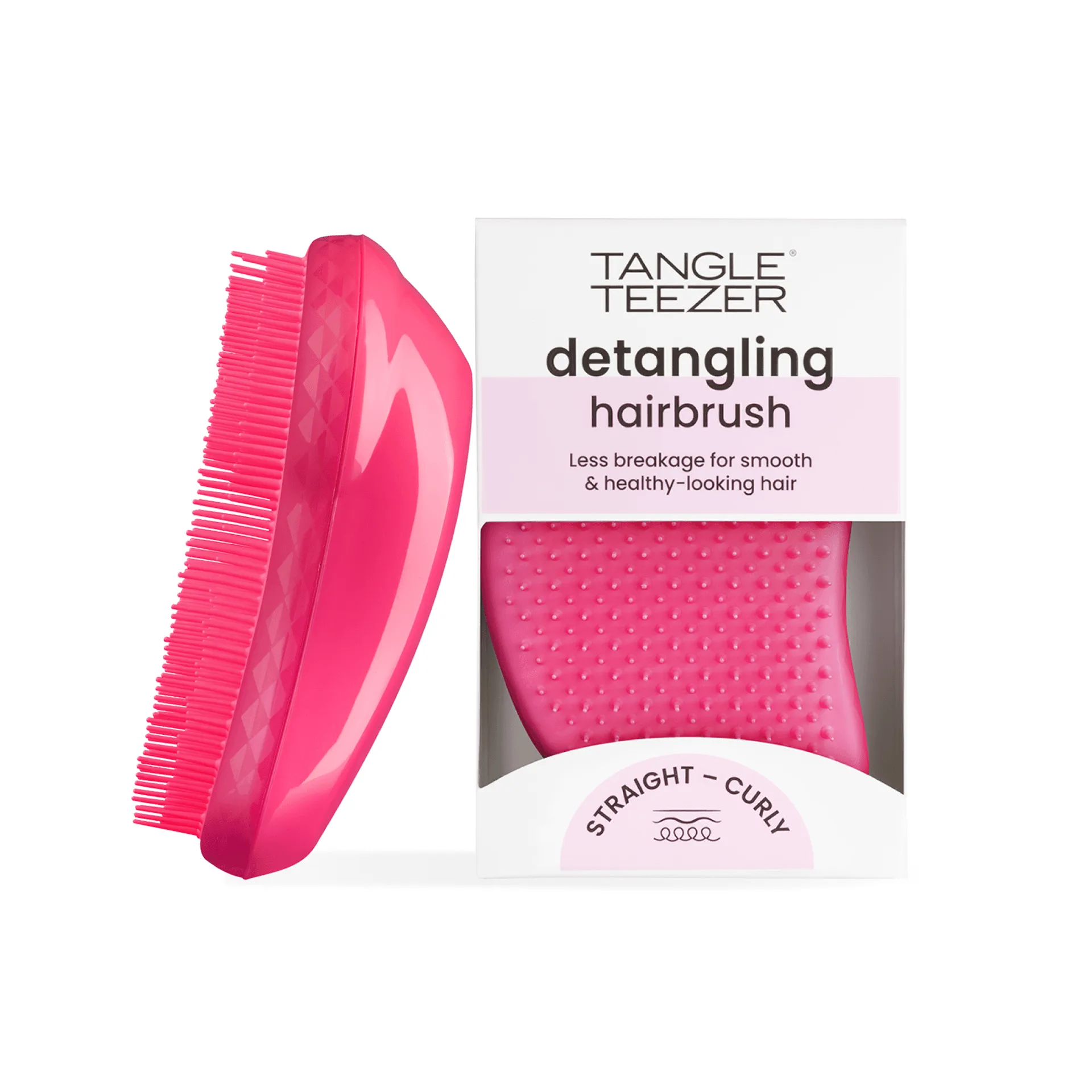
- The Ultimate Detangler: The Ultimate Detangler is designed for use on wet hair and in the shower. Its patented two-tiered teeth technology features long teeth that detangle and shorter teeth that smooth, reducing breakage on vulnerable shower-fresh hair. If your current brush snags on wet hair, switching to a brush with graduated teeth lets you detangle without pulling, even when hair is at its weakest.
- The Ultimate Detangler Fine & Fragile: The Ultimate Detangler Fine & Fragile has soft-flex teeth that are a grade softer than the original, created for fine, fragile, heat-damaged, or color-treated hair. It is tough on knots but gentle on sensitive scalps. For those with delicate hair that snags easily, this version reduces tension further, making it a targeted solution when a standard detangler still feels too harsh.