Quick answer
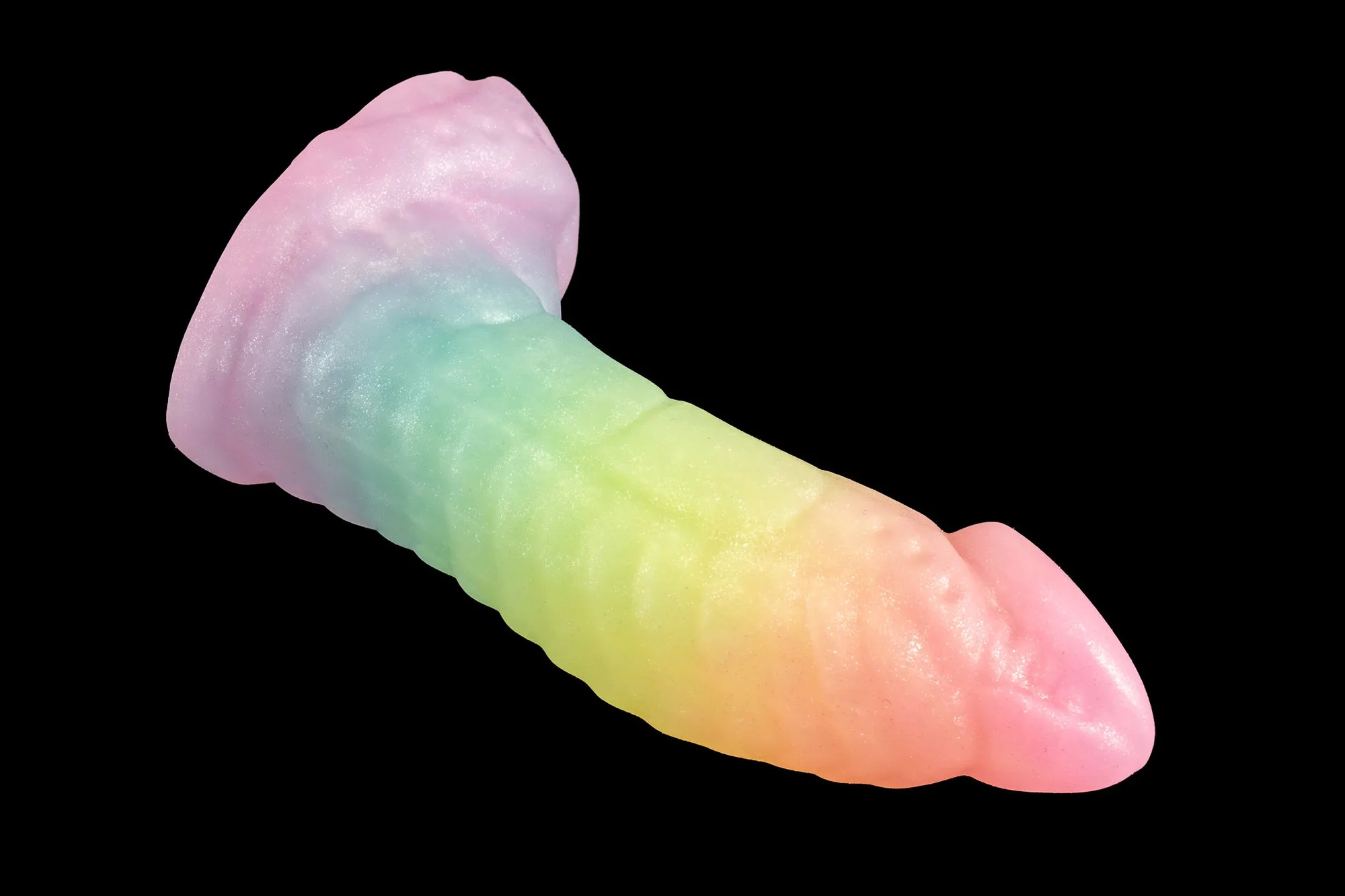
A silicone insertable rarely changes its shape on its own. What changes is the surface and how it interacts with your body: residue films, mineral buildup from hard water, micro-abrasion from rough storage, and the drying effect of the wrong lubricant. Wash with a mild, fragrance-free soap, rinse thoroughly, dry completely, and re-check with your usual lubricant. If the surface is still rough or tacky after that, the change is permanent and replacement is the safer choice.
Start with the surface, not the size
When something feels different, the instinct is to blame firmness or dimensions, but those do not shift with use. Run a clean, dry finger along the length in good light. A uniform matte glide points to a residue or lubricant issue. A gritty, chalky, or uneven texture points to mineral deposits or surface damage. A shiny, sticky patch that catches light differently from the rest points to silicone breakdown, which no cleaning will reverse.
- Residue film: feels slightly tacky, improves after washing, returns within a session or two.
- Mineral or soap buildup: feels chalky or draggy, often worse after air-drying.
- Surface damage: visible scratches, pitting, or a permanently dull patch that soap does not change.
The four causes that explain most changes
Most reports of an insertable feeling different trace back to one of four things, and each has a different fix.
Residue and lubricant mismatch. Some lubricants leave a film that grabs rather than glides, especially thicker hybrid or silicone-based formulas on a matte silicone surface. Switch lubricant for one session to test. If the old feel returns, the toy was never the problem.
Hard water and soap film. Rinsing in very hard water or using a soap with moisturizers leaves a mineral or emollient layer that reads as roughness. A final rinse with distilled or filtered water and a full air-dry solves it.
Storage contact. Silicone stored touching lower-grade soft plastics, PVC, or TPE can pick up a sticky, degraded surface over months. Store insertables separately in a breathable pouch or a hard case with no direct contact between toys.
Heat and sunlight. Long exposure to direct sun or a hot car can dull and stiffen the surface. This is cumulative and not reversible.
A five-minute reset routine
Before deciding anything is wrong with the toy, run this sequence once and reassess.
Wash with a small amount of mild, fragrance-free, moisturizer-free soap and warm water, working the surface with your fingertips rather than a rough cloth. Rinse until the water sheets off evenly instead of beading. Dry with a lint-free towel, then let it air-dry completely, because trapped moisture is what makes a surface feel draggy on the next use. Reapply your usual lubricant and test. If the surface is still rough, tacky, or visibly changed after a full clean and dry, the change is in the material, not on it.
- Do not boil, bleach, or use alcohol wipes as a first response; they can accelerate surface damage.
- Do not use abrasive scrubbers, which create the micro-scratches you are trying to rule out.
When the change is permanent
Silicone is stable, but it is not indestructible. Once the surface has visible pitting, a persistent sticky patch, or a texture that soap and water cannot touch, cleaning will not bring it back. At that point the honest options are to retire the toy or replace it, and replacement is usually cheaper than the risk of continued use on a compromised surface. If you are replacing anyway, this is a reasonable moment to change size, firmness, or coloration rather than buying the identical item.
Diagnosis chart: symptom, cause, action, stop point
- Slightly tacky, improves after washing: Residue or lubricant film left on the surface, often from a thicker lubricant or a soap with moisturizers. Switch lubricant and use a plain, fragrance-free soap. If the feel holds for several sessions, no replacement is needed.
- Chalky or draggy after air-drying: Mineral deposits from hard water or soap residue that dried onto the surface. Final rinse with filtered or distilled water and dry fully before storage. Repeat once; if it clears, the toy is fine.
- Sticky patch or dull spot that soap will not change: Permanent surface degradation, often from storage contact with PVC or TPE, or from prolonged heat and sun exposure. Stop using it and replace. Cleaning, boiling, or alcohol will not restore the surface, and continuing to use it risks irritation.
Replacement options worth considering
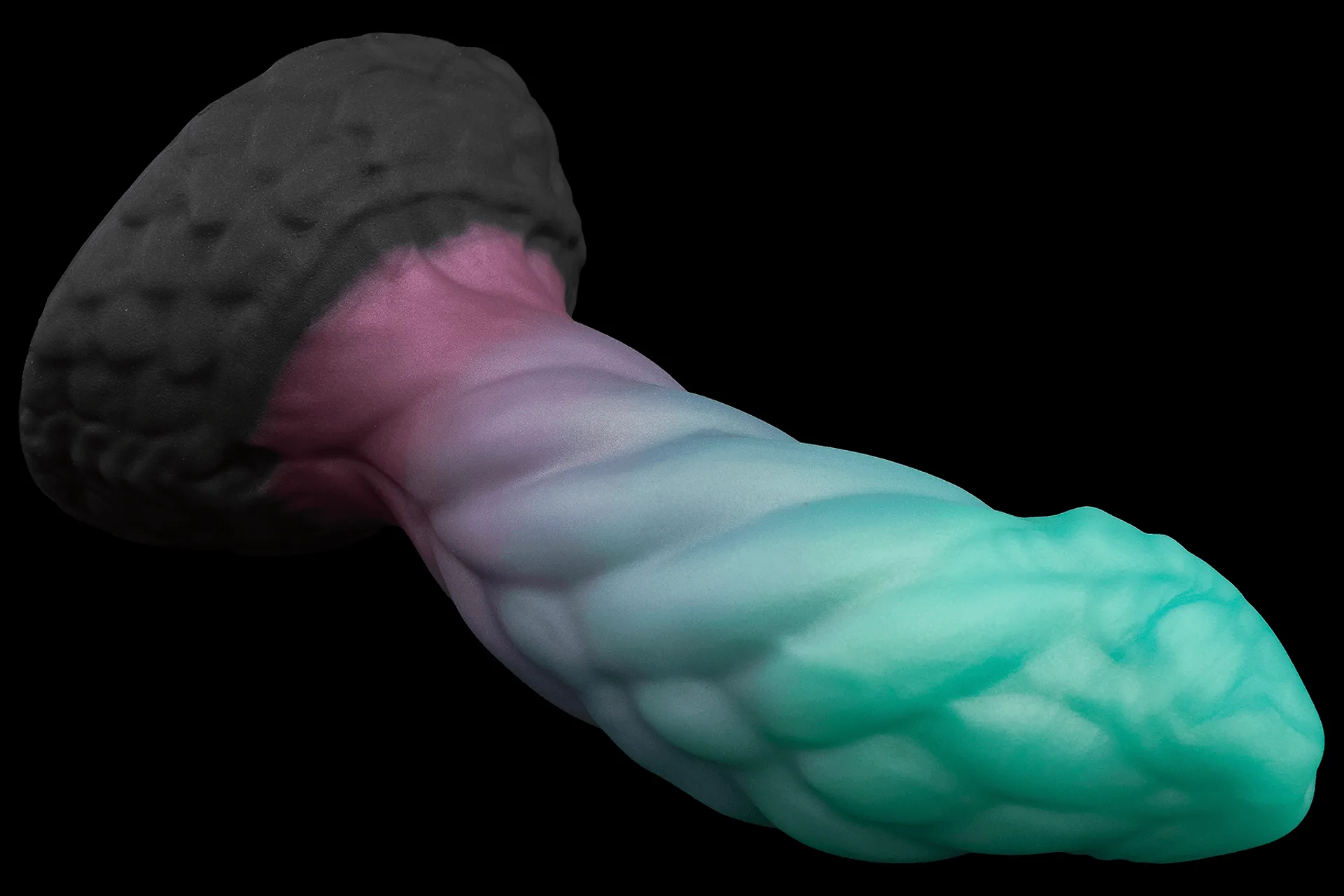
- Croxic the Class D Kaiju: Croxic the Class D Kaiju is a handcrafted insertable available in Mini size, with color complexity options ranging from free coloration to more intricate premium finishes. If you are replacing a worn toy and want a smaller or entry-friendly insertable, the Mini size and free coloration option let you control cost without giving up the handcrafted finish.
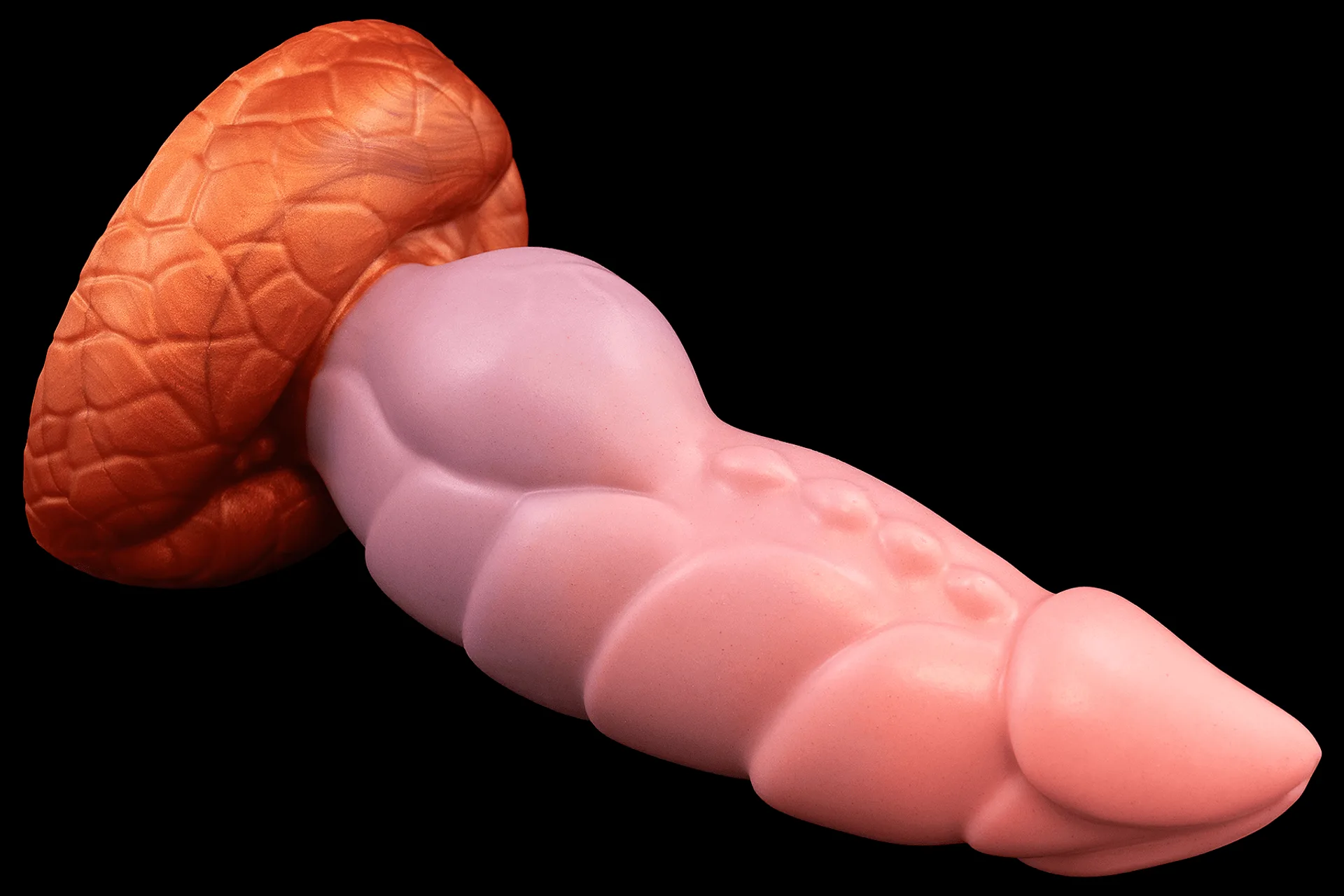
- Ian the Bull: Ian the Bull is a custom, handcrafted insertable made to your selected size, firmness, and coloration, with Signature Colorations and a custom color option. Choosing firmness and size at order time is how you fix a feel problem that was never about wear; if your old toy was simply too firm, this is where you correct it.
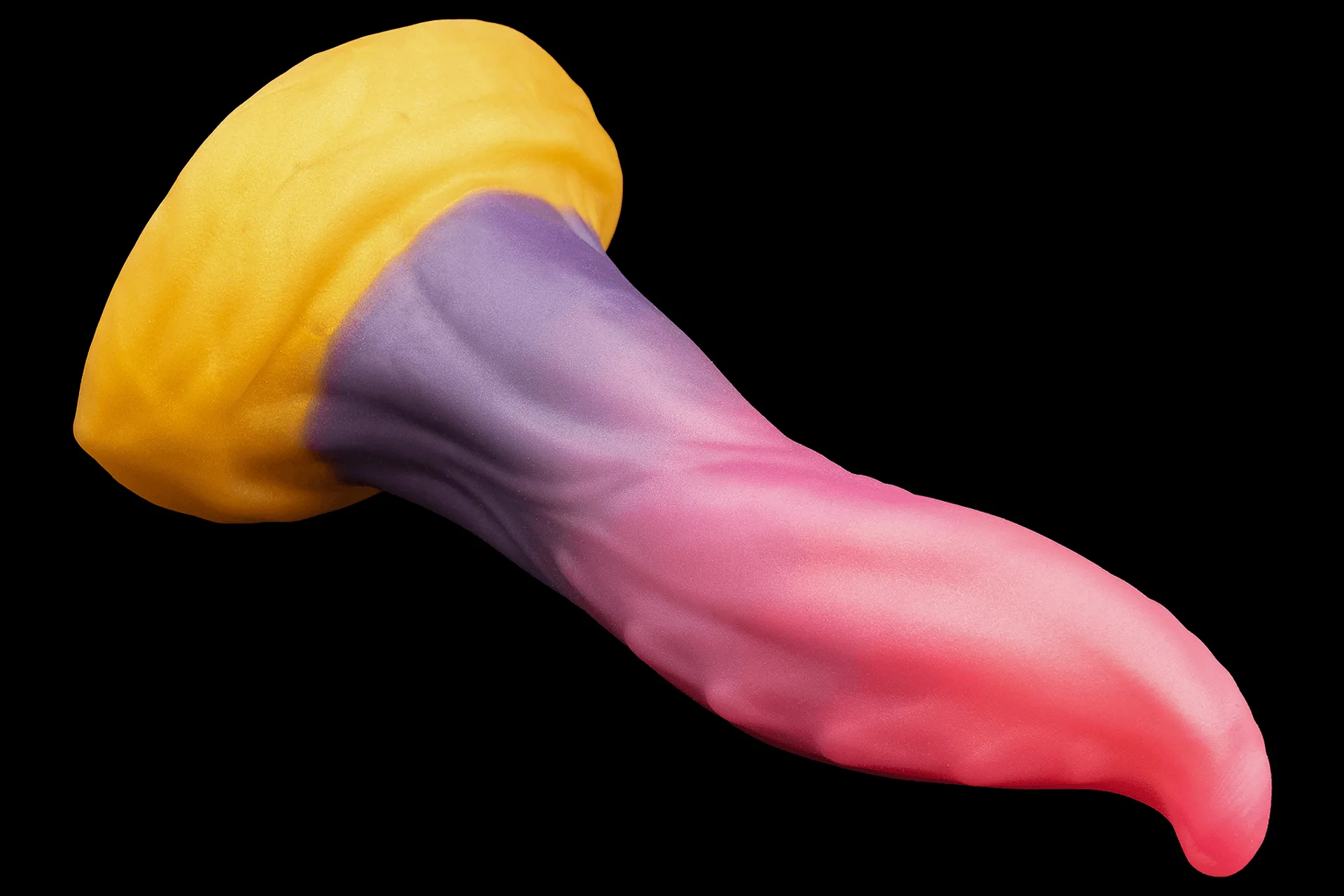
- Talon the Cyber-Raptor: Talon the Cyber-Raptor is a custom, handcrafted insertable made to your selected size, firmness, and coloration, and all TTC toys are made from platinum-cure silicone. Platinum-cure silicone is the material that responds best to the wash-and-dry routine above, so a replacement in this material keeps future care predictable.